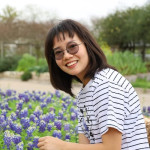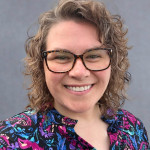
Ping Yu: Welcome to the Blooms and Beyond podcast, a podcast that uncovers plant history, culture, and management through the lens of science.
Download transcript (.srt)
0:07
0:16
0:17
0:18
0:29
0:31
0:41
0:49
0:58
1:00
1:04
1:08
1:09
1:10
1:13
1:19
1:38
1:48
1:57
1:58
2:16
2:22
2:29
2:41
2:54
2:58
3:07
3:12
3:14
3:15
3:17
3:20
3:24
3:27
3:29
3:32
3:34
3:39
3:41
3:43
3:46
4:06
4:21
4:35
4:41
4:47
4:53
4:53
5:04
5:08
5:14
5:17
5:19
5:19
5:21
5:23
5:25
5:31
5:35
5:37
5:44
5:47
5:52
5:57
5:59
6:01
6:02
6:04
6:06
6:06
6:14
6:22
6:41
6:45
6:49
6:56
7:00
7:04
7:05
7:09
7:15
7:34
7:36
7:40
7:45
7:48
7:54
8:03
8:08
8:19
8:25
8:26
8:41
9:12
9:17
9:26
9:29
9:31
9:52
10:13
10:22
10:24
10:37
10:39
10:43
10:49
10:51
10:52
10:56
11:02
11:09
11:20
11:26
11:28
11:34
11:48
12:02
12:08
12:14
12:20
12:26
12:37
13:00
13:11
13:27
13:31
13:34
13:36
13:37
13:39
13:45
13:47
13:49
13:50
13:53
14:07
14:12
14:15
14:17
14:18
14:20
14:22
14:22
14:32
14:36
14:41
14:50
14:53
15:01
15:10
15:18
15:23
15:27
15:29
15:35
15:37
15:38
15:43
15:51
15:57
16:04
16:05
16:13
16:37
16:38
16:47
17:06
17:08
17:14
17:28
17:31
17:35
17:40
17:43
17:52
17:58
18:18
18:19
18:44
18:47
18:50
18:54
18:58
19:00
19:36
19:47
19:56
19:59
20:02
20:05
20:07
20:13
20:14
20:16
20:16
20:18
20:21
20:26
20:30
20:31
20:35
20:39
20:40
20:47
21:00
21:08
21:12
21:18
21:20
21:26
21:29
21:31
21:31
21:32
21:33
21:42
21:50
21:56
21:59
22:19
22:32
22:35
22:40
22:44
23:15
23:16
23:18
23:24
23:30
23:32
23:36
23:38
23:40
23:47
24:14
24:16
24:19
24:22
24:29
24:30
24:32
24:35
24:57
25:08
25:21
25:23
25:31
25:34
25:35
25:37
25:45
25:53
25:58
26:08
26:25
26:42
26:43
26:44
26:45
26:46
26:50
26:52
26:54
26:56
27:00
27:02
27:02
27:03
27:04
27:07
27:10
27:16
27:24
27:30
27:37
27:39
27:45
27:47
27:50
27:53
28:04
28:11
28:35
28:44
28:52
28:55
28:57
29:13
29:22
29:26
29:27
29:28
29:33
29:35
29:37
29:38
29:40
29:42
29:44
29:45
29:53
29:54
30:02
30:13
30:18
30:23
30:25
30:29
30:34
30:36
30:42
30:46
30:58
31:07
31:18
31:28
31:31
31:36
31:41
31:47
31:50
31:55
31:57
32:17
32:20
32:24
32:33
32:37
32:40
32:43
32:48
32:55
32:57
33:02
33:06
33:09
33:11
33:16
33:17
33:24
33:29
33:31
33:37
33:41
33:43
33:51
33:53
33:55
33:58
34:03
34:08
34:15
34:18
34:22
34:26
34:37
34:42
34:47
34:54
35:45
35:48
35:55
36:00
36:03
36:08
36:11
36:22
36:26
36:40
36:42
36:43
36:44
36:47
36:54
37:02
37:06
37:08
37:10
37:10
37:15
37:36
37:39
37:43
37:46
37:50
37:53
38:04
38:12
38:13
38:14
38:30
38:37
38:41
38:47
38:54
39:07
39:14
39:19
39:21
39:23
40:06
40:07
40:10
40:17
40:25
40:36
40:52
40:59
41:01
41:10
41:18
41:31
41:36
41:44
41:58
42:06
42:15
42:18
42:29
42:31
42:33
42:34
42:40
42:43
42:49
42:55
42:57
42:59
43:04
43:06
43:08
43:14
43:26
43:27
43:35
43:38
43:48
44:04
44:07
44:21
44:27
44:29
44:31
44:35
45:06
45:14
45:16
45:17
45:35
45:36
45:39
45:50
46:01
46:07
46:35
46:41
46:47
47:48
47:48
47:55
48:01
48:03
48:10
48:20
48:25
48:29
48:31
48:37
48:50
48:55
48:58
48:59
49:02
49:04
49:07
49:08
49:10
49:23
49:31
49:36
49:41
49:43
49:46
49:48
49:49
49:57
50:02
50:06
50:08
50:14
50:22
50:30
50:33
50:37
50:44
50:45
50:46
50:48
50:53
50:57
51:28
Ping Yu: I'm your host, Ping.
Ping Yu: How's everyone doing today?
Ping Yu: I'm doing great because I am excited to have one of my dear friends, Renee Martin, here with me today to talk about something very neat and important.
Ping Yu: The FFA program.
Ping Yu: You may have heard or will hear more about FFA from many of our speakers on this podcast and how this program brought them into horticulture.
Ping Yu: Renee has years of experience of teaching and has been involved in FFA for years.
Ping Yu: So I think it's a good idea to have her come to our show to give our listeners a full picture of this program.
Ping Yu: So let's jump right into it.
Ping Yu: Without further ado, here is my conversation with Renee Martin.
Ping Yu: I hope you enjoy it.
Ping Yu: Hi, Renee.
Ping Yu: Welcome to the podcast.
Ping Yu: But first, let's start off with the introduction.
Ping Yu: Can you tell our audience about who you are and what you do?
Renee Martin: Hey, I'm so excited to be here. This is a great little podcast. Can't wait to see where it goes. My name is Renee Martin. I'm currently a school climate specialist at Okefenokee RESA, but I'm also a PhD candidate in ALEC at the University of Georgia, which is Agricultural Leadership, Education and Communication.
Renee Martin: Right now, I work with nine districts in Southeast Georgia, support teachers, building mental health needs for students and families, improving school climate.
Renee Martin: Before that, I was an agriculture education teacher in middle and high school for 10 years and absolutely loved it.
Renee Martin: FFA has been a part of my life.
Renee Martin: for over 20 years. And everything I do, whether it's research that I'm doing, practice or service, it's all like part of that belief that ag education and FFA create a sense of purpose and belonging in a student's life and how we can build on that.
Ping Yu: Yeah. And by the way, she's graduating next May, which is super exciting.
Ping Yu: Congrats. What first sparked your interest in horticulture and agriculture in general?
Ping Yu: Did you grow up with agriculture or is this something that you just learned or directed you to the trajectory?
Renee Martin: So I grew up in Waycross, Georgia, which is a very rural area of the state in Southeast Georgia. I didn't grow up like row crop farming or anything like that, but my Papa always had a big garden and I remember being in the garden with him and he always had plants and different trees.
Renee Martin: We were pulling fruits and vegetables out of the garden for dinner.
Renee Martin: But what really got me into like organized agriculture, I would say, is when I started attending middle school and I went to an agricultural magnet school.
Renee Martin: It was the Ware County School of Agricultural, Forestry and Environmental Sciences in Manor, Georgia.
Renee Martin: It was K-12.
Renee Martin: And so I was in sixth grade.
Renee Martin: My brother was a senior and we had ag classes for everybody.
Renee Martin: Yeah.
Renee Martin: So no matter what your goals were in life, you were taking an ag class.
Renee Martin: That kind of introduced me to...
Renee Martin: actual like greenhouse management.
Renee Martin: I'd never been in a greenhouse before, even though we picked up plants from Lowe's.
Renee Martin: So I got to see that side of it.
Renee Martin: Taking care of animals, I ended up showing goats as a student and actually pigs.
Renee Martin: And that was not something I grew up with.
Renee Martin: We had a school pond.
Renee Martin: One time we had a baby gator that lived in our greenhouse until...
Renee Martin: DNR could come and pick it up because it had wandered into our school pond. We had forestry plots for our school. And so we got to visit those and do some prescribed burning in high school, just a really interesting way to attend school. And so I was there for six years and it really pushed me into agriculture education and made me want to be a teacher.
Ping Yu: Wow, that's kind of interesting because when people are talking about horticulture, we're all about plants, but in agriculture in general, except the row crops and animal science and all those essential ones, it really is a whole package.
Ping Yu: We have all different perspectives that people would normally neglect, but all those things can provide you a whole world of interactions with the plants, with the people, with the animals.
Ping Yu: It's just in and of itself, it's a whole ecosystem for us as a human being.
Ping Yu: So first of all, can you introduce, explain what is FFA?
Ping Yu: And did the experience with your high school actually introduce you to FFA?
Ping Yu: Yeah.
Renee Martin: It did. And so some of you may know, if you're a little bit older, you might have heard of the Future Farmers of America, and that's kind of the preceding name for FFA.
Renee Martin: In the 80s, they changed it to the National FFA Organization.
Renee Martin: And so the letters don't really mean anything, but if you're an old dog, you know those letters, Future Farmers of America, and they're the first one.
Renee Martin: But there's three parts to this program.
Renee Martin: It's called the three-circle model.
Renee Martin: And you'll see it.
Renee Martin: It looks like a modified Venn diagram.
Renee Martin: Everything overlaps.
Renee Martin: Everything is just as important as another part.
Renee Martin: And the three parts to that are your FFA experience, your classroom and lab instruction.
Renee Martin: And then what we have is a supervised agricultural experience.
Renee Martin: We call them SAEs.
Renee Martin: And so you learn in the classroom what you're going to be doing in your SAEs and in FFA.
Renee Martin: And so it builds that base of knowledge.
Renee Martin: But then the actual doing part happens when you're doing like an SAE experience.
Renee Martin: Maybe it's at a vet's office or you're competing in the Creed speaking event for FFA.
Renee Martin: FFA is not extracurricular.
Renee Martin: It's not like just an after-school activity.
Renee Martin: It is intracurricular.
Renee Martin: It is built into the curriculum.
Renee Martin: It's what you're learning in the ag class.
Renee Martin: And so that's what makes it a little bit different from some of your other organizations that you might see, because it is part of the standards for those classes.
Renee Martin: Yeah.
Ping Yu: So the FFA is generally designed for high schoolers who want to be in agriculture, right?
Renee Martin: Well, it could be. Really, in Georgia, we've been down in the middle school for a long time. We were an early adopter of middle school ag education. And so we're trying to build not just people that are going to go into like traditional agriculture, but also people that we call like ag advocates.
Renee Martin: Like someone who is going to know about agriculture in any field that they do.
Renee Martin: Maybe you become a lawyer and somebody's having a dispute.
Renee Martin: You're able to talk more about an agricultural topic than you would be if you'd never been a part of FFA.
Renee Martin: Or maybe you want to go into row crop farming or you want to own your own nursery.
Renee Martin: Then you're going to have a basis in leadership that FFA brought you.
Renee Martin: Business.
Renee Martin: There's lots of ways that all of these things weave into agriculture.
Renee Martin: the future that our students are going to have. And actually Georgia is again on the front edge.
Renee Martin: We are starting to have elementary agricultural classes and they don't really have like an FFA portion to them, but what they do is just get kids excited about agriculture and learning about it. And we want to just expose them to agriculture as soon as possible.
Renee Martin: So they're learning where their food comes from.
Renee Martin: And they might have a lesson on forestry when it's Arbor Day.
Renee Martin: So they learn how we repopulate trees after we clear cut or do selective cutting.
Renee Martin: So they're learning about a lot of things even earlier, which is great.
Ping Yu: Yeah, apparently I was not familiar with FFA because where I grew up, we don't have that kind of program.
Ping Yu: And then I was like, I have heard people talking to me about FFA because this is how they get into horticulture.
Ping Yu: And I was like, what is FFA?
Ping Yu: Is this something like a specific curriculum that they have to go through, just like the other classes that they have to go through when they were in elementary school, middle school, and high school?
Ping Yu: Or it's a separate thing, aside from their normal classes?
Ping Yu: Yeah.
Renee Martin: So when you're in elementary school, an elementary ag program is just like a connections class, like you would go to PE or art or music. And so it's very broad because you're only seeing those students maybe once a week, or maybe you're seeing them for five weeks and then you don't see them again.
Renee Martin: So it's very broad. It's just basic agricultural topics. In middle school, our standards want you to cover a little bit of everything. So you'll have some horticultural knowledge. You'll have some animal science. You'll have some mechanics, depending on what you have at the school. But in high school, that's really where they want you to narrow your focus a little bit more. So you'll start choosing pathways. And students can choose a lot of different pathways. Some of them might go a more academic route where they're doing like an AP or a foreign language pathway.
Renee Martin: But then you also have your CTAE, your Career, Technical, and Agricultural Education pathways.
Renee Martin: And that's where you have all of these nursery landscape or horticulture, animal science, but you might also have nursing or welding.
Renee Martin: So there's a pathway for anybody.
Renee Martin: But once you get in there, it's going to become more focused.
Renee Martin: So if you do a horticultural pathway, you might have a class that's like basic agriculture. Everybody starts with that, usually around ninth grade. And then you move into like a specific horticulture class, and that's going to have you in the greenhouse or in the nursery a lot more where you're learning those technical skills for that.
Ping Yu: So for people that are not familiar with the FFA, I would assume there are a lot of people that don't know about it, me included, before I moved to the U.S. How would you describe the mission and the impact of the FFA to some of the outsiders who do not know the program?
Renee Martin: So the FFA mission is to make a positive difference in the lives of students by developing their potential for premier leadership, personal growth, and career success.
Renee Martin: through agriculture education.
Renee Martin: And from my perspective, the mission really speaks strongly to the role of the agriculture teacher, creating meaningful learning experiences in the classroom, the lab, through SAE opportunities, building SAE programs.
Renee Martin: But then you have the motto.
Renee Martin: And to me, the motto is what really talks to what students are truly living out.
Renee Martin: And it's learning to do, doing to learn, earning to live, and living to serve.
Renee Martin: You learn those basics in your classroom.
Renee Martin: You put them into action.
Renee Martin: You kind of find your footing and then we give back.
Renee Martin: FFA really cultivated a heart of service for me and always wanting to give back in everything I do.
Renee Martin: I mean, my family has always valued giving back to our community, to our school, to the people around us.
Renee Martin: But FFA showed me it on a different level, like a national, international level on how our agricultural and horticultural community works together.
Renee Martin: I also got to see more behind-the-scenes things and how we plan, not just showing up for a work event.
Renee Martin: It was like, how do we plan with students together?
Renee Martin: to do an activity? How do we see the needs in our community and meet them through our programs?
Renee Martin: I don't think it just creates like an agriculturist. You know, we're not just saying we want these kids to go into agriculture, but we want them to be like leaders who understand responsibility, service, and the impact that they can have on their community.
Ping Yu: Yeah. And I like the motto that you just mentioned. And I want to add a follow-up question. Can you elaborate how does the FFA play in connecting students to the agricultural career and communities?
Ping Yu: Do you have any examples or stories that will help us better understand that?
Renee Martin: Well, first of all, I think FFA does a great job of building both technical and soft skills.
Renee Martin: And when I first started teaching, I went into the community and I said, what do you want our students to know when they leave?
Renee Martin: And people are like, a lot of times when they get to us, we can build their technical skills on the job. But if they don't show up for work, they don't show up on time, they don't know how to work in a group, then it's going to be really hard. So I think FFA shows their members and ag in general that.
Renee Martin: Right.
Renee Martin: how to communicate clearly, how to collaborate, managing their time, responsibilities, and how to lead groups of their peers so they're ready to step into leadership roles when the management opportunity opens up. And that's a lot of our CTSOs, our career tech student organizations, but I think FFA does it really well.
Ping Yu: Do you have a story that can elaborate the FFA connection between the students and preparing their agricultural career and the service for the community?
Renee Martin: So I think one of the really cool things that I have seen over time, as we've seen like natural disasters happen, I think back to when I was a freshman at ABAC and we were watching Hurricane Katrina happen in real time.
Renee Martin: And we were like, oh my gosh, this is one of the biggest things in history.
Renee Martin: Immediately when that started happening, FFA jumped in.
Renee Martin: And it was like they were raising money.
Renee Martin: They were helping people get supplies.
Renee Martin: We've seen that over and over again.
Renee Martin: When we've had tornadoes out west, we had schools that were completely demolished and our FFA chapters immediately.
Renee Martin: You had students saying, we want to do something.
Renee Martin: So they're doing clothing drives.
Renee Martin: They're doing school supply drives.
Renee Martin: So they're seeing that service in action now.
Renee Martin: But then on the skill side, when we had Hurricane Helene that just destroyed parts of Georgia and North Carolina, I saw FFA students and their ag teachers out in the community teaching people real-life skills.
Renee Martin: There were so many people that bought generators that had never run a generator in their life.
Renee Martin: So they were teaching classes to small groups of people.
Renee Martin: Here's how you run a generator safely.
Renee Martin: We need to have it outside.
Renee Martin: You need to use this type of fuel.
Renee Martin: You need to buy it from these locations.
Renee Martin: They were showing people how to use chainsaws correctly and making sure that you don't want a tree rolling over on you because you cut it incorrectly in the community in a very real way.
Renee Martin: Right.
Renee Martin: And I think that's what FFA does is it doesn't just teach you the skill that you're going to take a test on.
Renee Martin: It teaches you a skill that you're going to use for the rest of your life, even if you don't go into agriculture.
Renee Martin: There were people that were like, I remember taking a class with you and the people came in, taught us how to use chainsaws, taught us how to work on small engines and do maintenance.
Renee Martin: and the skills that you're learning in FFA stay with you.
Ping Yu: Yeah, I still remember during Hurricane Helene, people were desperately needing all sorts of resources.
Ping Yu: I remember you gathered all those goods and doing all the drives and just to deliver those things to the community that needed them the most.
Ping Yu: I was calling to check on some of the growers in South Georgia because that's where people got the most impacts during Hurricane Helene.
Ping Yu: And one of the growers was asking me, he's like, oh, Ping, I got two generators.
Ping Yu: If you know anybody who is looking for generators, let me know.
Ping Yu: And I know people who are looking for generators.
Ping Yu: So they made the arrangement and just drove down the way and delivered the generators to help them.
Ping Yu: And they were like, oh, whatever we can do.
Ping Yu: to help you.
Ping Yu: And they know this is a big deal and they want to make sure everybody is okay.
Ping Yu: I think that's really a moment to show the impact of the program and for us as a community.
Ping Yu: So that's a really good way to help show the kids that you need to care about your community.
Ping Yu: So I guess for you and me and even Michael, that's the reason why we love this industry so much.
Ping Yu: Yeah.
Ping Yu: Can you elaborate a little bit about the importance of the SAEs and how they can prepare students
Renee Martin: for the real world? Sure. SAEs are supervised agricultural experiences. We want students actually getting an experience in agriculture, but it's not just, oh, I fed my dog at my house. These are supervised either by maybe a community member or their ag teacher. And as ag teachers, we're actually going out to visit them. My first year teaching, I actually had to ride a ferry to Sapelo Island to
Renee Martin: view a kid's
Renee Martin: project and I'm 22 years old and I'm like, I've never done this before. So it can be maybe you're riding a side by side out in the middle of the woods because the kid's SAE is a food plot.
Renee Martin: But one that stands out to me is I had a student, she always wanted to be a vet. She would always write down veterinarian as things she wanted to do. She was in one of my classes. And the SAE program allowed her to contact a local veterinarian and say, I'd like to do my hours with you.
Renee Martin: Can I come in and get some work?
Renee Martin: And of course, when you're that person, you start with like, you're cleaning the cages.
Renee Martin: And so you're seeing like all of the sides of the vet, but she ended up working with him for three years. And so as he saw that she was very competent and capable, he started hiring her on as like a little intern and she actually got paid for some of it. So it was really neat to see how that.
Renee Martin: Yeah.
Renee Martin: When you're a student, people want you to come and experience things.
Renee Martin: They want to teach you because they want to build the future of their industry.
Renee Martin: They don't want to do that when you're a competitor later on.
Renee Martin: So SAEs really open up the door because most students are not going to just say, I think I'd like to do an internship and take the initiative to go do that.
Renee Martin: But SAEs have really opened up the bridge for the community to pour into your program and into your students.
Ping Yu: But over the years of your teaching experience, can you share one of the most memorable stories about students, how they started with the FFA program, how FFA kind of shaped their future or career in that way?
Ping Yu: Yeah.
Renee Martin: I can think of so many. When you're the teacher, you don't want to be like, oh, I made this huge impact on this kid. It was me. It was our program. But I will say I've had multiple students. I'm not saying it was just their FFA time, but I do think it helped them that were part of my middle school program that are now students at UGA. And they do contribute some of the learning how to speak in front of people to competing in the agriscience fair.
Renee Martin: And they actually made it to the national level and did very well.
Renee Martin: So they learned how to do research at a very young age.
Renee Martin: They learned how to talk to people in research settings.
Renee Martin: We were Zooming with people in Costa Rica who had knowledge on the subjects we were doing.
Renee Martin: So they got to interact with adults regularly.
Renee Martin: very early in that research type setting. And now they're actually Foundation Scholars at UGA, and they're doing their own research. And they talk about that a lot. We also have a lot of students in the ag area that will do the Young Scholars program. And a lot of them have been part of FFA programs, and they find out about it. So they're getting into these research opportunities early. I also attribute to FFA. One of the big things was helping build our family. My husband and I do not biologically have children, but we do have what we consider like an adopted son.
Renee Martin: We call him Baby Michael, even though he's a grown man. He's taller than my husband, but people know him as Baby Michael. And he was one of my students when I taught at Ware County.
Renee Martin: He was being raised by a grandmother. She passed away when he was early in college, but she really believed in FFA.
Renee Martin: And so we could at last minute be like, Michael, we need somebody to step in for this.
Renee Martin: And she would immediately have his official dress ready to go.
Renee Martin: So we could pick it up on the bus on the way out of town.
Renee Martin: And she saw the value of it.
Renee Martin: And when she passed away, he really kind of folded into our family. And since then, he's our son.
Renee Martin: I know.
Renee Martin: He wishes me happy Mother's Day.
Renee Martin: He's a big part of it.
Renee Martin: He became an ag teacher.
Renee Martin: So we talk about how teaching is in the family.
Renee Martin: And then he now works at the FFA Camp in Covington and is a program specialist there.
Renee Martin: That all because of FFA, we would not have known that.
Renee Martin: I wouldn't have known his family.
Renee Martin: We wouldn't have had those experiences if I was just like his English teacher.
Renee Martin: But it was because of FFA and taking him on overnight trips and getting to talk to him.
Renee Martin: in a deeper way than you would as someone who saw this student for one time because you have those students year after year after year.
Renee Martin: Yeah.
Renee Martin: And really, I'll say that's what built my research that I'm doing now in mental health and behavior management because those ag teachers do have those different experiences and those long-term experiences with students.
Renee Martin: Because if you work with your middle school, I saw kids in sixth grade that then became my students in ninth grade that then I had until 12th grade.
Renee Martin: So you're seeing them really grow up and become people.
Renee Martin: It's so cool to see how they change and they grow through agriculture education programs.
Ping Yu: Yeah, I know Baby Michael.
Ping Yu: I was saying, hey, I've seen the pictures and Michael has told me everything about it.
Ping Yu: Baby Michael is way bigger than.
Renee Martin: Real Michael than you.
Ping Yu: Yes.
Ping Yu: I was like, oh.
Renee Martin: Much taller.
Ping Yu: It's such a beautiful story about the connections, the bond that people will build during those experiences.
Ping Yu: Because I think at the end of the day, it's the bond, it's the relationship that people are building.
Ping Yu: Whether you are in the community or in whatever field that you are in, it's all about people.
Ping Yu: So I really love the story.
Ping Yu: Because your experience as an ag teacher for over the years, and you have seen all those challenges and struggles for the ag teacher, for the students, and that kind of led to your research today as a PhD candidate.
Ping Yu: Can you elaborate a little bit by telling us how did you connect the dots from the teacher's perspective to the research perspective?
Renee Martin: So for the last six years, I've been working in wraparound.
Renee Martin: So when I got out of the ag classroom, I moved into a regional position at Okefenokee RESA.
Renee Martin: I've been doing wraparound, which is anything non-academic.
Renee Martin: Food, water, shelter, clothing. But it really builds on the skills that I got as an ag teacher where we build that community. We're always resource management. So when we had families that needed food, I already knew some of the farmers to reach out to and said, can we come out and do some gleaning? Can we get some boxes of blueberries or yams or whatever you're growing now to be able to feed these families? It was that collaborative nature that I also saw how hard it was to be an ag teacher and see all the things that we see.
Renee Martin: I mean, you're 22 years old.
Renee Martin: I told you I was on a ferry going to visit a kid's house.
Renee Martin: And then sometimes you get to a kid's house and you're like, man, I didn't know this is where they came from.
Renee Martin: I didn't know that this was the community that they came out of when I was teaching in Athens-Clarke County.
Renee Martin: The police called one of our neighborhoods.
Renee Martin: It was like the Iron Triangle because a lot of people get arrested there.
Renee Martin: They have a lot of drug activity.
Renee Martin: And that's where those students were coming from.
Renee Martin: I knew that I wanted mental health to be at the helm and I wanted to do research that would help our ag teachers.
Renee Martin: not only understand where students come from, but know when those students need help. And how can we make our classrooms and our SAE programs a safe space for students to feel like they can be themselves and to know when we need to get them help. So one of the things that I've done is talked with our pre-service ag teachers to see where they feel like those gaps are in the training that they get in their undergraduate program.
Renee Martin: What did they wish they'd done more?
Renee Martin: A lot of times it's not, I wish I knew more about plants.
Renee Martin: It's, I wish I knew more about building relationships.
Renee Martin: I wish I knew more about the mental health struggles that students have or what is just like a kid being a kid.
Renee Martin: And that's totally fine.
Renee Martin: You know, I had seventh graders.
Renee Martin: If you've ever taught seventh grade, you know, that is just a different...
Renee Martin: different breed. And the parents would be like, I don't even recognize, where did my sweet little sixth grader go? And I'm like, they'll be back in eighth grade. They'll be back to a little calmer. But seventh grade is just a big thing. So you just know you have to have more empathy. You have to work with those students in a different way. And we found that that's not really happening in some of our education programs. So we're trying to build some of those things in.
Renee Martin: And it's just been very interesting to talk with people across the country and see that the struggles we have with students are everywhere and everybody is looking for ways to build relationships.
Renee Martin: And I think when you have pieces of a program like SAEs and FFA competitions, that you are able to build connections that can help steer kids on a path.
Renee Martin: that maybe they wouldn't have gone down.
Renee Martin: Maybe they come from a really rough neighborhood and they're getting all of these ideas in their head that this is how I have to be because I come from this.
Renee Martin: And things like FFA can show them, you don't have to do that.
Renee Martin: You can forge your own path.
Renee Martin: You can do what you want to do.
Renee Martin: And it gives them an outlet to be able to do that and gives them a foundation where they feel confident to make the right choices in their life.
Ping Yu: Wow, that's really something very impactful because basically you're changing the life of some people, some kids.
Ping Yu: If they haven't been exposed to FFA, they are out of options.
Ping Yu: But FFA does provide them, like you said, outlets or the new options for them to go get a better life, basically.
Ping Yu: When you were an ag teacher back then, before you decided to go get your PhD, did you run into the same trouble or the challenges that you are researching on right now?
Renee Martin: I did. I found that I could be a dysregulated mess. I'd even apologize to students sometimes. I'm like, hey, I remember that time that you were tardy and instead of me just having some empathy, I kind of got on to you and it made a situation that could have just been very much like, hey,
Renee Martin: You came in late.
Renee Martin: This is what we're doing.
Renee Martin: Let's get started.
Renee Martin: More difficult for that student.
Renee Martin: And as I taught longer, of course, I'm not fighting a kid over a pencil.
Renee Martin: I just got a pencil parking lot.
Renee Martin: You grabbed a pencil when you needed it.
Renee Martin: That's not a hill I'm willing to die on.
Renee Martin: But sometimes when you come in the program, they're like, don't smile till Christmas.
Renee Martin: And that's not the way you have to be.
Renee Martin: You don't have to do that.
Renee Martin: You can smile with the kids.
Renee Martin: You can joke with the kids.
Renee Martin: You can build relationships and they're still going to learn.
Renee Martin: They're going to have a good time and your class is going to become a safe space.
Renee Martin: And I just realized that I wanted our students that are coming through our programs to learn that earlier.
Renee Martin: So when they get in the classroom, they don't have to go through those years of not smiling till Christmas and realizing that's really not how you should build your program.
Renee Martin: And so I wanted them to have skills that I didn't get until I was much later in my career.
Renee Martin: So that's one of the things that we're trying to build is just capacity for seeing students as people from day one.
Renee Martin: Kids feel the same way.
Renee Martin: So how do we build that empathy in our student teachers so when they get in the classroom, they're able to recognize that.
Renee Martin: And it's all part of behavior management.
Renee Martin: Keeping kids in the classroom is a really important thing.
Renee Martin: We don't want to be sending them out because they have behavior issues.
Renee Martin: And so classroom management is one thing, but how do we look at individual student behaviors and keep them in our programs and in our classroom and find ways that we can help them regulate themselves?
Renee Martin: And whether it's let's get some water, let's take a minute to count to 10, let's maybe have a brain break for everybody.
Renee Martin: Sometimes when I noticed that everybody was just kind of so energized, we went on a trip to the greenhouse. Did we need to do anything in the greenhouse? Probably not. But there's always weeds to be pulled. There's always something that you can find to do to get some of that energy out in students. But if you don't know how to see your class and look for that, especially as a young teacher, you may not know to put those interventions in.
Ping Yu: For a young ag teacher, when they first started the job as an ag teacher, as human beings, we are learning along the way.
Ping Yu: And what kind of things that they need to avoid to prevent them from losing the love for what they do?
Ping Yu: Because sometimes that can be a big problem.
Ping Yu: You have to love what you do.
Renee Martin: You do. And I think everybody goes into it loving what they do. And they just find that they're burned out really early because they see these ag programs that have been around for decades that are just thriving and they're winning national competitions.
Renee Martin: They're winning in proficiencies. Their CDE teams are amazing. They also make $20,000 off their greenhouse sale and they have kids showing livestock.
Renee Martin: But they've cultivated that over decades, over years.
Renee Martin: And those teachers have a lot more experience.
Renee Martin: Yeah.
Renee Martin: I think year one, you have to pick what your program is really about.
Renee Martin: Do well at those things.
Renee Martin: And then you can start adding things on.
Renee Martin: Give yourself grace.
Renee Martin: Give the kids grace.
Renee Martin: Know what is really important for you.
Renee Martin: Don't die on the hill of the pencil.
Renee Martin: Give them the pencil.
Renee Martin: Don't feel like if a kid does something that it is targeted at you, people have bad days and sometimes their students are going to say things.
Renee Martin: It may be nothing against you.
Renee Martin: They might've had an argument with a friend on the bus and they're just taking that out in your class. And so know when to like shrug things off.
Renee Martin: Just like a manager at a workplace would, they know when to shrug things off and when to actually double down and deal with them. Don't assign things that you are not planning to grade or think you have time to grade.
Renee Martin: Not everything needs to be graded by hand individually.
Renee Martin: I know that my first couple of years, I would go home and I would just have weekends worth of work to grade.
Renee Martin: And then I realized.
Renee Martin: You know what, instead of them doing five worksheets on this, we can do a project.
Renee Martin: And I can grade that project in class as it goes and make things more meaningful.
Renee Martin: You don't need to have all the busy work.
Renee Martin: If you have meaningful experiences for students, that's way more important than having five quizzes on busy work.
Renee Martin: So how do you build that meaningful experience for your students?
Renee Martin: And that's going to make you want to stay in the classroom more because you're going to see students making those connections and you're not going to get burned out as fast.
Ping Yu: I know in general, in horticulture and in agriculture, we are facing challenges of recruiting more students.
Ping Yu: Can you share some of the challenges that the FFA members or program are facing and what are the ways to help us out?
Renee Martin: I think one of the things that FFA members are facing now, and we've kind of talked about this, is there's so many pressures that go beyond academics and...
Renee Martin: Like when I was growing up, I mean, the internet was kind of new.
Renee Martin: You did get on it sometimes, but it wasn't a space where you live.
Renee Martin: But now you are on social media, whether you want to be or not.
Renee Martin: And I think that they're more aware of the stressors of the world.
Renee Martin: Years ago, you had to watch the news to know what was going on.
Renee Martin: And now the news is six inches from your face at all times on a personalized screen.
Renee Martin: So you're seeing all of that.
Renee Martin: So there is some keeping up with the Joneses, some pressure to do that. It's the same for our teachers. You know, some of them are really good at social media. And so when they're doing their plant sales, they're like having their kids do dances in the greenhouse. And they're like making a rap about every single plant in the greenhouse and why you should buy it. And, you know, this needs this much sun.
Renee Martin: And if that's not your thing, that's totally fine.
Renee Martin: You don't have to do all of that to be an amazing ag teacher.
Renee Martin: So I think helping students and teachers realize that what they see on social media doesn't have to be the reality for themselves.
Renee Martin: And also people are usually putting their best foot forward on social media.
Renee Martin: So you may not have seen that it took them 47 takes.
Renee Martin: to get that cute dance that they did.
Renee Martin: Building that out and just letting people know that they can follow their own path is really important.
Renee Martin: And also there's just so much out there that students still don't know about when it comes to jobs.
Renee Martin: I think we knew about a handful of jobs.
Renee Martin: The coolest job that you could think about getting when I was younger was a marine biologist.
Renee Martin: I don't know why they chose that to be like the highlight of the jobs.
Renee Martin: But like, maybe you could be a marine biologist.
Renee Martin: I was like, that sounds like the coolest job ever.
Renee Martin: But now we have so many cool jobs across agriculture.
Renee Martin: I mean...
Renee Martin: A friend of mine just got a huge job with Tennessee Agriculture and she does ag communications.
Renee Martin: I wouldn't have even thought, oh my gosh, she could be a high-level person in ag with a communications degree.
Renee Martin: But that is huge now.
Renee Martin: So I think also making students become critical thinkers and these are the skills that I have.
Renee Martin: I really like these parts of agriculture.
Renee Martin: Now, how do I merge those together?
Renee Martin: How do I find a job that I love and not one that I just tolerate because somebody told me about it when I was in ninth grade and I decided, I guess I'll go be that.
Renee Martin: That'll be what I do.
Renee Martin: And I'm sure you all see that in the horticulture department.
Renee Martin: I mean, the research that's coming out now with lighting is...
Renee Martin: is amazing. And that's stuff that 20 years ago was not happening.
Renee Martin: HPS was the thing and now LEDs are huge and it's just constantly changing.
Renee Martin: So I think making people understand that even what you're teaching your kids in ninth grade, there's going to be different stuff when they're seniors.
Renee Martin: There's going to be new jobs and new things that they can look into.
Ping Yu: Yeah, I'm glad that you kind of mentioned the change throughout the years.
Ping Yu: And I mean, we're in an era of AI.
Ping Yu: And we're in an era of climate change and all those advanced technologies just keep coming to a level where we don't understand in the first place.
Ping Yu: But how is FFA adapting to those modern issues?
Ping Yu: I mean, those are just common issues for this whole society, for the whole world.
Ping Yu: How does FFA incorporate those issues and help the next generation to be prepared?
Renee Martin: for those challenges? So I think agricultural education and FFA in general are evolving all the time. And so we are always looking for how can we connect our students to the real world. I was very big in agriscience fair as a teacher, and I always told my students, you have to have a real problem. What is the actual problem you want to solve? I do have some teachers that no longer trust me, because one time I had a student make brownies out of cricket flour, and then I had them do a taste test. And so then they're like, I'm not doing any more of your taste tests. You fed us goat milk ice cream one time, you've now fed us crickets. But that is a legitimate problem in the world about people not getting enough protein. And when we're talking about climate change, the landscape in places is drastically different than it was 20, 30 years ago.
Renee Martin: So how are we evolving with that?
Renee Martin: And so FFA and ag education are, they're really changing the way students learn.
Renee Martin: It's not just here's a bunch of brain dump about agricultural facts.
Renee Martin: It's how do we form these critical thinkers?
Renee Martin: How do they become problem solvers that understand the whole food system?
Renee Martin: Not just, I'm going to raise cattle.
Renee Martin: What does that whole system look like from, you know, feed and grain to raise the cattle on to where your cattle are going to the marketing, to getting it in the grocery store, to getting it on people's plates?
Renee Martin: They're looking at global markets like we've never seen before.
Renee Martin: And they're also really focused on community well-being and how are we producing things that are helping our community, whether it is food or fiber production or when the pandemic hit, horticulture blew up.
Renee Martin: Everybody was home.
Renee Martin: Everybody wanted plants.
Renee Martin: They want beautiful yards.
Renee Martin: There's like, how can we save the bees?
Renee Martin: And so building a more consumer-driven, critical-thinking student where they understand all the processes.
Renee Martin: And so anything that comes up, any problem that pops up, they're able to think through those problems and come up with solutions.
Renee Martin: It's not just we've only taught them you need to be sustainable, but why?
Renee Martin: Why is sustainability a thing?
Renee Martin: They're looking with the end in mind.
Renee Martin: Why?
Renee Martin: And I think that's how FFA and ag education are fitting into that whole framework for agriculture.
Ping Yu: Yeah, because I think critical thinking is definitely one of the key skill sets that every student I'm hoping, or everyone in the whole world, needs to have. Normally, this is what I tell my grad students or my students, to say, okay, you are going to solve a problem, and then you're going to ask yourself several questions.
Ping Yu: What, why, and how.
Ping Yu: You identify the problem, what it is, and then...
Ping Yu: why you care, why this problem is relevant.
Ping Yu: And like you said, it's applied research where it's a real-world problem.
Ping Yu: And then how, how do you solve those problems?
Ping Yu: So if you can answer all those questions and you got the critical thinking skill set all in there, and then it doesn't matter where you go and what job you do.
Ping Yu: If you have the mindset, then you will be able to solve whatever problem that you're gonna encounter down the road.
Ping Yu: Exactly.
Ping Yu: Yeah.
Ping Yu: But speaking of the change, I think in general education, higher education in general is evolving, but there are more and more online sources that provide knowledge and skills.
Ping Yu: What do you think the future of agriculture education looks like?
Ping Yu: And where do you think FFA would fit in there?
Ping Yu: Because right now, like the AI generated information, it's just everywhere.
Ping Yu: How can we embrace that and how is FFA going to fit in?
Renee Martin: I think that one of the big things is teaching kids the correct knowledge so that when they see something that is AI created, then they know, hey, that's not right. I feel like that's my job.
Renee Martin: That's my role at my job because I work with a lot of people that are older than me and they share things and I'm like, hey, that was AI.
Renee Martin: There is not actually a plant that looks like this that is five times the size of a building.
Renee Martin: That's not how that works.
Renee Martin: And so creating that knowledge base is
Renee Martin: where people can critically think and say, let's look at this deeper. Is this correct? Is this what we need to be looking at? I also think we're getting some things like Breeze ETA that are agricultural based so that people can use AI in a responsible way. That's not just like a program like Gemini or ChatGPT or Claude that is pulling from all areas and maybe pulling from non-factual websites. So I think we're going to see a lot more AI that is specific for different programs. AI is here. We have to adapt with it. There's some people that just kind of stuck their head in the sand and said, I'm not doing it. No AI. I'm not having it.
Renee Martin: But we're not going to be able to do that.
Renee Martin: And so we're going to have to train our students how to use it correctly.
Renee Martin: I always like to say, use it for organization, not creation because it will create random things.
Renee Martin: If you've ever asked it to help you with a citation, it will sometimes make up things. And you're like, that's not the citation I need, but thank you so much.
Renee Martin: I think, as things come out, we're just going to have to build students again that think critically and are able to recognize that things are not as they seem all the time.
Ping Yu: Yeah, I think it's definitely a trend that not just for FFA kids, but all the students in general, just tell them that they need to be able to differentiate what's real and what's not.
Ping Yu: And one of the things that my students do this year is to create a document for a specific plant.
Ping Yu: And they are gonna do that.
Ping Yu: And I know for a fact that a lot of students grab information from AI, and some of those are AI generated.
Ping Yu: But I added another step so that they would know sometimes AI does not do a better job than they do.
Ping Yu: So I asked them to do another version of edits with track changes and go in there, really read through, and then do the corrections that they needed to do.
Ping Yu: Even if it's just AI generated, it doesn't mean it's all correct.
Renee Martin: Yeah. Or at least you know how to research the behind the scenes. Maybe I don't know the answer, but I want to make sure that if I ask it a question, how many cows per person are there in Uruguay? I see the answer, but now I need to go check that answer and make sure that I've looked at sources that are real sources and that they are also research-based sources.
Renee Martin: Right.
Renee Martin: I think about when I was a student at Tifton in college and I did an extension internship one summer.
Renee Martin: And back then in the early 2000s, you would literally get calls and it would be a woman that would say, hey, I have seven apples.
Renee Martin: What can I make with seven apples?
Renee Martin: And you would go to a filing cabinet and you would sift through it and you would find apples and you would pull out the folder that was talking about apples and you would say, you could make an apple cobbler.
Renee Martin: Here's the recipe for an apple cobbler.
Renee Martin: Here's the recipe for an apple pie.
Renee Martin: Bake it at 350 for this.
Renee Martin: If I told students that I did that, they would say, did you grow up in the 1800s?
Renee Martin: But that was just 20 years ago that we were still helping.
Renee Martin: And now, AI, you could put in, I have seven apples and some cinnamon, and they would give you 40 recipes for it.
Renee Martin: So I think there's some really cool things that it can do, but we need to figure out.
Renee Martin: Nothing says that those recipes taste good.
Renee Martin: Nobody's tried those recipes.
Renee Martin: So you can't just take it at face value, even for the simple stuff, because it's just giving you information.
Renee Martin: Yeah.
Renee Martin: It doesn't have that human connection.
Renee Martin: So you have to teach students how to make the human connection that they can provide be better than the AI.
Ping Yu: Yeah. For every technology revolution, I always think just use that as a tool instead of something that you just rely on.
Ping Yu: Everything is a tool.
Ping Yu: If you can master the tool, that will actually make you a person that will never lose a job.
Ping Yu: And that's the skill set that you need to have.
Ping Yu: Don't be afraid of it. Embrace it and master it. Yeah, I agree.
Ping Yu: So with your research for the mental health, for the ag teacher and FFA, and all of that coming from FFA, what is your next step? What's the thing that excites you the most on that road?
Renee Martin: Well, I will say it's about to be conference season. And I absolutely love that. I do work part time, but I do still get to take off and go to some conferences. So we're going to be in Costa Rica and Cuba and Kentucky getting to see what other people are talking about.
Renee Martin: Yeah.
Renee Martin: and talking about my research with other people and hearing different ways of thinking about it.
Renee Martin: That is my most exciting time.
Renee Martin: I just love collaboration.
Renee Martin: Anytime that I can build in collaboration, that's so exciting.
Renee Martin: And then after May, when I graduate, the sky is the limit. Who knows what's going to happen after that, but I'm really excited for the spring and just to get to talk to people that are in the same realm as me, because there's not a lot of people in the country doing mental health and ag education. We do have some people here doing farmer stress, and I am a part of that. The Georgia Agricultural Wellness Alliance and I are partnering. We'll be doing some presentations together in January, but it's still so new. So anytime I can be around people, I just think it's the best.
Renee Martin: I just come away really energized and fulfilled to do more research, to dive deeper, to get this dissertation written.
Renee Martin: And those little letters behind my name will be very exciting.
Ping Yu: Yeah.
Ping Yu: I think what you're doing with your research is really something that would be pretty impactful for agriculture in general, because a lot of times agriculture people, they just neglect the fact about their mental health because they have something else more important that they need to be taken care of.
Ping Yu: Like, okay, it's raining.
Ping Yu: I got to go harvest my crop and things like that.
Ping Yu: But how do you plan to implement your research results to help our agriculture stakeholders?
Renee Martin: I think starting with our ag teachers, that's really where I'd like to build and building programs in agriculture education that can provide for their students.
Renee Martin: So those students that may one day become producers have a better idea of what
Renee Martin: good mental health and wellness looks like. And so they can have a balance. We see high suicide rates in certain areas of agriculture, and we definitely want to lower those. So building capacity in your students early on. I also teach Youth Mental Health First Aid and QPR, which is a suicide prevention program. And both of those help people see not just in themselves when they might be struggling, but in others.
Renee Martin: Because again, our community is very close-knit and you are noticing when somebody else is struggling.
Renee Martin: We've really pushed into the community after Hurricane Helene because we had people that lost everything.
Renee Martin: Everything. Some of the people in Coffee County lost chicken houses, even with insurance, they'll never get those back. There's too much money. It's too much in costs and time. And so how do you check on your friends constantly to make sure that they're in the right headspace. After something like that happens, talking with AgrAbility on people that maybe get injured and how can we keep them on the farm, because mental health is really hard after somebody has like an accident, making sure that we're providing accessible materials for people that may speak other languages, especially on some of our farms. We have a lot of Spanish speakers. And so providing materials for them and trainings in their native language from either native speakers that can answer very intricate questions or people that are able to do that. I just think that's super important that everybody has access to it. It's not just for this limited group of people. I think we've done that too long where it's like only these people talk about it. Everybody has to be talking about it for us to make a difference. We need to be open access.
Renee Martin: Yeah.
Ping Yu: So what do you hope our listeners take away from the story and the message of FFA?
Ping Yu: What are some of the last comments and words that you want to leave for our audience today?
Renee Martin: I think the first thing I say is just do it.
Renee Martin: Just join FFA, give it a shot, see if it's for you, join other CTSOs as well.
Renee Martin: Just have something that allows you to get experiences outside the four walls of your school, that puts you in spaces that you would never have been in.
Renee Martin: I hope that people see how deeply ag education and FFA support the whole student.
Renee Martin: I work in the Office of Whole Child, and we're always talking about school climate.
Renee Martin: And I think, man, these things
Renee Martin: that ag teachers do every single day is exactly what we want all teachers to do.
Renee Martin: They are working on not just teaching the curriculum, but how does it relate to society and how do we make students good members of society and be able to critically think. Just however you can get involved.
Renee Martin: Even if you're a senior in high school right now, there's still time for you to join an ag class next semester.
Renee Martin: Or when you get to college, I had a friend that became an ag teacher.
Renee Martin: He'd never had an ag class.
Renee Martin: When he got to college, he heard about Collegiate FFA.
Renee Martin: He joined then.
Renee Martin: You know, we have some great programs at UGA.
Renee Martin: The Hort Club is amazing.
Renee Martin: We have a lot of our students that are in that.
Renee Martin: And so connect with others that are in this field and just build that collaborative nature.
Ping Yu: So with that in mind, if people want to look for more information on FFA, or your mental health research work,
Ping Yu: where do you recommend them to go find more information about those?
Renee Martin: So there's always the National FFA and the Georgia FFA website, and you can Google those.
Renee Martin: If you're on LinkedIn, I'm on LinkedIn.
Renee Martin: I try and keep things updated and posted there.
Renee Martin: I welcome you to find me on there.
Renee Martin: It's Renee Martin.
Renee Martin: We have a Facebook page for Okefenokee RESA, and I do post things that I'm working on through school climate and whole child for my work.
Renee Martin: And then the University of Georgia ALEC department has a great Instagram that you can follow.
Renee Martin: And the GSA, the Graduate Student Association one is pretty good too.
Renee Martin: I ran that for a couple years.
Renee Martin: So I really think utilizing social media is the way to do it so that you can stay connected to people.
Ping Yu: Yeah. Well, thank you, Renee. I really thank you for taking time out of your busy schedule to talk with us about FFA and all those wonderful stories.
Ping Yu: I really think the bond, the relationship, the community are the essential part of it.
Ping Yu: to connect everyone together.
Ping Yu: And that's really what we should emphasize.
Ping Yu: So thank you for the work that you're doing and thank you for taking your time talking to me today.
Renee Martin: Thank you for doing this podcast.
Renee Martin: This is wonderful.
Renee Martin: I'm so excited to see how it turns out.
Ping Yu: Thank you.
Ping Yu: Conversation like this only happens when you support the show.
Ping Yu: For more information and find ways to support us, please go to bandbpod.com. bandbpod.com. If you like what you are hearing, spread the word and share this podcast with the people you love. Make sure you hit that subscribe button and give a review for the podcast. And as always, go check out the show notes to learn more about this topic and other topics we featured on the show at bandbpod.com.
Ping Yu: Thank you for listening. Till the next time, stay healthy and go plants!