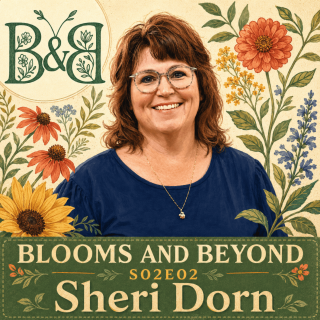
(upbeat music) Ping Yu: Hello, everyone.
Download transcript (.srt)
0:00
0:05
0:13
0:14
0:16
0:26
0:30
0:40
0:46
0:50
0:51
0:55
0:56
0:59
1:04
1:04
1:05
1:07
1:15
1:19
1:28
1:36
1:37
1:47
1:49
1:57
2:04
2:14
2:18
2:25
2:25
2:26
2:29
2:33
2:33
2:44
2:45
2:50
2:51
2:51
2:52
3:00
3:08
3:13
3:16
3:26
3:34
3:38
3:47
3:50
3:58
4:06
4:07
4:07
4:16
4:19
4:20
4:21
4:30
4:32
4:41
4:45
4:45
4:51
4:58
5:00
5:02
5:07
5:10
5:18
5:25
5:26
5:29
5:39
5:47
5:49
5:52
6:01
6:02
6:06
6:08
6:09
6:11
6:14
6:19
6:24
6:30
6:31
6:41
6:45
6:52
7:00
7:08
7:18
7:22
7:33
7:43
7:44
7:45
7:56
7:58
7:59
8:02
8:02
8:12
8:18
8:22
8:23
8:27
8:35
8:45
8:47
8:55
9:01
9:06
9:11
9:11
9:20
9:27
9:33
9:43
9:45
9:55
9:57
9:59
10:02
10:07
10:10
10:19
10:30
10:31
10:34
10:38
10:44
10:54
10:56
10:56
10:59
11:03
11:13
11:16
11:18
11:24
11:31
11:34
11:41
11:52
11:52
11:56
12:03
12:07
12:09
12:17
12:18
12:24
12:26
12:31
12:35
12:37
12:44
12:46
12:54
12:56
12:57
13:01
13:11
13:23
13:23
13:25
13:27
13:34
13:39
13:45
13:46
13:47
13:53
14:01
14:03
14:11
14:12
14:23
14:23
14:26
14:31
14:40
14:44
14:47
14:53
15:01
15:09
15:10
15:17
15:25
15:33
15:43
15:46
15:56
15:57
16:00
16:04
16:07
16:17
16:20
16:24
16:27
16:33
16:37
16:45
16:55
16:57
16:57
17:07
17:09
17:20
17:29
17:39
17:41
17:43
17:43
17:48
17:57
18:07
18:18
18:22
18:32
18:41
18:51
18:58
19:01
19:04
19:07
19:11
19:12
19:17
19:23
19:33
19:40
19:51
19:56
20:04
20:15
20:19
20:19
20:29
20:30
20:32
20:37
20:39
20:49
20:52
21:00
21:05
21:11
21:11
21:22
21:24
21:26
21:28
21:36
21:38
21:46
21:54
21:58
22:06
22:08
22:18
22:21
22:22
22:29
22:37
22:41
22:50
22:59
23:00
23:11
23:17
23:22
23:25
23:31
23:38
23:41
23:44
23:46
23:48
23:57
24:03
24:07
24:15
24:17
24:27
24:31
24:36
24:39
24:49
24:52
24:56
25:03
25:14
25:20
25:23
25:27
25:33
25:42
25:45
25:50
26:01
26:06
26:07
26:09
26:11
26:21
26:29
26:31
26:38
26:40
26:50
26:53
26:54
27:02
27:03
27:04
27:05
27:08
27:17
27:22
27:26
27:34
27:37
27:40
27:42
27:51
28:00
28:03
28:04
28:12
28:23
28:26
28:34
28:37
28:42
28:47
28:50
29:00
29:07
29:12
29:17
29:21
29:29
29:31
29:33
29:35
29:45
29:46
29:48
29:53
30:01
30:11
30:15
30:19
30:22
30:25
30:28
30:39
30:40
30:43
30:44
30:44
30:55
30:57
31:01
31:11
31:17
31:23
31:31
31:32
31:39
31:40
31:44
31:54
31:57
32:02
32:02
32:05
32:06
32:14
32:18
32:20
32:21
32:27
32:30
32:32
32:34
32:34
32:45
32:49
32:50
32:55
32:58
33:05
33:12
33:22
33:23
33:26
33:34
33:37
33:38
33:49
33:53
33:56
34:01
34:09
34:10
34:13
34:18
34:29
34:39
34:40
34:41
34:43
34:43
34:51
34:52
34:56
34:58
35:01
35:07
35:17
35:21
35:23
35:25
35:28
35:31
35:38
35:47
35:56
35:56
36:02
36:02
36:05
36:07
36:18
36:21
36:27
36:36
36:47
36:52
36:57
37:06
37:16
37:27
37:30
37:32
37:35
37:45
37:52
37:59
38:03
38:13
38:15
38:15
38:26
38:31
38:36
38:46
38:48
38:50
38:52
39:00
39:10
39:11
39:20
39:20
39:22
39:29
39:29
39:31
39:34
39:39
39:42
39:49
39:51
39:54
40:04
40:07
40:11
40:16
40:19
40:25
40:33
40:43
40:53
40:55
41:02
41:04
41:05
41:07
41:09
41:17
41:20
41:26
41:34
41:41
41:46
41:49
41:51
41:53
41:55
41:57
42:07
42:11
42:13
42:14
42:24
42:31
42:41
42:41
42:47
42:48
42:49
42:51
43:02
43:08
43:14
43:21
43:27
43:33
43:40
43:46
43:57
44:05
44:09
44:12
44:14
44:15
44:16
44:23
44:31
44:37
44:39
44:45
44:54
44:56
44:57
45:01
45:02
45:03
45:03
45:04
45:05
45:08
45:14
45:23
45:28
45:33
45:41
45:43
45:50
45:56
45:59
45:59
45:59
46:02
46:14
46:21
46:28
46:28
46:30
46:40
46:48
46:56
46:58
46:59
47:05
47:10
47:10
47:17
47:24
47:34
47:35
47:37
47:37
47:39
47:46
47:55
48:01
48:07
48:17
48:18
48:19
48:25
Welcome to the Blooms and Beyond podcast, a podcast that uncovers plant history, culture, and management through the lens of science.
I'm your host, Ping.
How's everyone doing today?
I'm doing great because I have one of my fellow horticulturalist, my dear colleague and my friend, Dr. Sheri Dorn, here with me today on the show to talk about
one of the most exciting topics, garden therapy.
I've known Sheri for a couple of years, and she is one of the fellows that wear many hats, but all under horticulture, and I can't wait to pick her
brain on garden therapy and spread the plant power in today's pod- in today's episode.
So without further ado, here is my conversation with Dr. Sheri Dorn.
I hope you enjoy it.
(upbeat music) Hi, Sheri.
Welcome to the podcast.
But first, let's start off with the introduction.
Can you tell our audience a little bit about who you are and what you do?
Sheri Dorn: Sure.
Hey, Ping.
Thank you for having me as part of your podcast.
I am always happy to talk to people about plants, and certainly all of the wonderful things that they do for us as people.
So just from a background standpoint, I am a horticulturalist.
I'm formally educated in horticulture, but I also have a very basic (laughs) if you will, background in horticulture.
You know, fa- grew up in a family with vegetable gardens and, you know, involved in mowing the grass and taking care of the landscape and all that kind of
stuff.
And as with many people who have an interest in plants, I had grandparents and I had elderly neighbors that were gardeners and, you know, were
that influence on me.
They, you know, they were mentors to me and, and, and had that, I had that example of people that cared for and tended plants.
So lots, lots of plants in my background, both formally and informally.
And then professionally, I've had a lot of years working with Master Gardener Extension volunteers, so people who are front line interacting with everyday
folks that need to know more information, how do I garden, how do I grow plants?
So like I said, I love to talk to people about plants and the, and what they can do for us and, you know, just bey- even beyond our vegetable
garden, right?
They can feed us.
They can make us feel better, you know, all those kinds of things.
So yeah, that's a little bit about my, my background there.
Ping Yu: Yeah.
And you forgot to mention that you, well, you used to be the state of Georgia Master Gardener coordinator, but recently you took- Yes the new position as
officially garden therapy.
Can you tell us a little bit about the, that?
Sheri Dorn: Sure.
Yes.
You are right.
In August, I took on a new role here at the University of Georgia as an assistant professor in socio-horticulture and horticultural therapy.
So you're loosely calling that garden therapy, and if you were enrolled in my class, Ping, I would have to, like, I would have to have you define all of
that because you're lumping in several vocabulary terms that, you know, we would have a discussion about this, okay?
So that's what- Okay I asked today.
But anyway, with horticultural therapy, we're using gardening, we're using plants, activities with plants as a process to reaching some
sort of goal, whether that's a healing or therapeutic goal, whether that's a social goal, like I need to, like I need to interact with other people, I need to
connect with other people, or maybe it's a vocational goal.
I need to learn how to do a new job, or maybe I need to learn job skills or soft skills or people skills or whatever, and plants are that
pathway that they get me there.
So yes, that's my new role, and I'm so excited about it because, like I said, I love, love, love to talk to people about this, and just to see
the power of, the transformative power of plants for people of all ages, stages, abilities, et cetera.
So yeah.
Ping Yu: Mm.
When would you define your first horticulture endeavor, and can you share a little bit about the horticulture career journey with us?
Where did you get your degrees in that regard?
Sheri Dorn: Sure.
Sure.
So I like to say that my parents nearly killed my career in horticulture before it got started because it was, honest to goodness, Ping, it was the family vegetable
garden, and we had a huge one.
We inherited my grandfather's garden, and my grandfather, uh, we literally moved into a house where he lived previously, and his garden was huge, and my parents made it bigger
because we had a big family and we were growing food to feed ourselves.
All right.
So I have very early recollections of the smell of damp soil.
I have early recollections of seed packs and having my own little corner of the garden.
I can even go back to my first house.
I must have been four.
Okay, so this is an early, early memory, but we had a vegetable garden there.
We had a strawberry patch, and I loved strawberries.
And as a little girl, I just helped myself to the strawberries and came into the house, and I ha- I remember my mother was upset with me because first
of all, I had strawberry juice all over my clothes, but she was very annoyed with me because I ate the strawberries that were going to be the dessert for
dinner that night.
So how dare that I eat all the (laughs) strawberries?
But I, hey, I knew what that strawberry patch was, right? So when it came to education, I started
at Virginia Tech, which is one of the land grant universities in Virginia that had a horticulture program, and that is where I studied with my...
I got my undergraduate degree.
I went on to work for Dr. Diane Relf.
I was working for her as an undergraduate, and she offered me a, a f- a full-time position in the Department of Horticulture right after I graduated, working with the
People-Plant Council.
So at the time, Diane was a pioneer in...
So, so just a little bit about Diane.
She's a...
She was, she was very pioneer-oriented.
Th- you know, she was the trendset- tr- it's not a trend.
It's not even good words here, but anyway, she was at the forefront of horticultural therapy.
Even her graduate work in the University of Maryland, you know, she was...
she did some early, early documentation of the benefits, the hor- the therapeutic benefits of horticulture.
So she was my mentor.
She had started this discussion, this international discussion about what is going on with plants and horticulture and its r- and their role in human health and wellbeing.
And so she had put together this national group called the People-Plant Council.
It ha- And she organized its first meeting, like 1990-ish timeframe, early '90s.
And I- and shortly thereafter, I came on board and helped her with that before I went on to complete my master's degree with her.
So I have a bachelor's, master's in horticulture from Virginia Tech, and then I completed my PhD here at the University of Georgia.
Again, all of my training in horticulture, I believe firmly that my educational roots needed to be in the horticulture department to have that
plant background, to understand plants themselves.
But, but horticultural therapy also works along with other allied sciences and specialties, and certainly the medical arena, so that we can bring
their perspectives on health and rehabilitation, medicine, and so forth in with the knowledge of plants and growing plants and people, and put all of that
together.
So.
Ping Yu: So would you say that you're first inspired with your work in garden therapy or horticulture therapy is from Diane, or
even earlier from your childhood?
And how...
Can you elaborate that a little bit more?
Sheri Dorn: Yeah.
My fascination with horticultural therapy and socio-horticulture really began when I was working for Diane and working a lot with Master Gardener
volunteers who would be involved in community gardens, and community gardens are always like my crucible.
You know, this is where I saw a lot of what I loosely call the plant magic, okay?
That's a very basic term.
It's not a scientific term by any means.
But in a community garden setting, you have people from all different walks of life that come together in this shared space.
They're all focused on growing plants, and they begin to talk to each other, and they begin to share things like tools and seeds and information, and they help
each other.
And it is a connection, and this is what I loosely call them, you know, the magic that happens in those community gardens.
And those people, w- nine times out of 10, would not speak to each other, you know, if they ran into each other in the grocery store.
They're just not, like, close friends and, you know, neighbors and that kind of thing.
But they have bonded over growing the plants, okay?
Mm-hmm.
So again, community gardens were the first place that I really started seeing that, and I observed that very early on, you know, in those early days when I was
working with Diane at Virginia Tech right after my undergrad degree, before I went on to start my graduate program.
And that just stayed with me all of my life, and I have worked, you know, in extension for a number of years.
Again, education, I'm in the classroom now with undergraduates and graduate students, and I still see this, you know, these threads, you know, uh,
coming out.
(gentle music) Ping Yu: But for listeners who may not know the concept, like you corrected me in the beginning, how do you
define g- oh, horticulture therapy?
I'm not going to say garden therapy anymore.
(laughs) How do you define horticulture therapy?
Can you give us a little bit about the overview of that?
Sheri Dorn: Yeah, so there's a couple of different terms that we throw around.
Horticultural therapy refers to a very specific setting, and we have a therapist, and we have a client, and we have goals.
Most importantly, that client is working toward a goal, whether that goal is to heal, to strengthen, to recover, to learn new skills,
to make social connections.
Whatever that goal is, that...
A- and, and like I said, the horticulture is the pathway, okay?
It's the process for meeting those goals, and those are facilitated by that, that therapist.
So horticultural therapy, while we use that term very frequently, it's really kind of the, the, the less frequent of the scenarios that I'm going
to give to you.
So most...
It's more specific, okay?
We might hear the term therapeutic horticulture, all right?
And when we think of therapeutic horticulture, it's usually more of a group setting, and there are these positive benefits that are coming from the gardening activity, and we're not,
not necessarily tracking specific goals.
The group, yes, is probably...
gr- probably has some, some ideas of things that we need to do, and we need to move that group together.
But it's, it's a, it's a less formal stage than a horticultural therapy setting.
And then we have what we call socio-horticulture.
It's part of my job title, and socio-horticulture reflects—many benefits of plants.
So we can talk about economic benefits of plants, we can talk about environmental benefits of plants, we can talk about the social benefits, community benefits, health benefits,
wellbeing.
So it's a big, big bucket that contains...
It's just a broad term that refers to all of those human benefits that come from plants and gardening.
(upbeat music) We...
I get asked that a lot, actually.
Or, or, and you'll see things, you'll see silly things like, "Gardening is therapy," or, "Garden is cheaper, it's cheaper to buy plants than it is to go to a
therapist," or something like that.
You know, people joke about that all the time because they do realize how rewarding gardening is.
You get that sense of purpose.
You get to see this plant grow and develop and respond to your care.
It gives you something to look forward to and anticipate.
It's a s- you know, I said purpose, but accomplishment.
I mean, all of these intangible benefits, all of these rewards that come from tending the plants.
And I joke about the tomato.
You know, the tomato, we think that we're saving money when we grow and all this stuff we say, it's cheaper than therapy and all, but in actuality, that, that
can be a very expensive tomato, (laughs) you know?
It can.
A tomato, but we are very proud of that tomato, okay?
Yes, so when we experience those benefits personally, individually, okay, when I come home from work and I am tired of sitting at my computer and
I need physical activity and I need to let my mind relax instead of this highly intensive, focused, academic stuff that I tend to do every day, that's all self-directed,
okay?
It's, it is not clinical.
It's not medical.
It is just a self-directed activity that I choose, and I still get so many benefits from, from that.
And that's what people think of, and that's what they, you know, often call horticultural therapy or garden therapy or whatever.
But those, in that setting, that, that falls into my socio-horticulture bucket, you know?
It's a broader thing.
It's non-prescriptive.
But at the end of the day, we cannot ignore the importance of plants.
As you mentioned, I mean, gardening is so good for anxiety and depression because we do get those boosts.
You know, it's good for stress relief.
You, you know, you've got study after study after study that document, you know, cortisol reduction, and we can have that physiological benefit.
You know, our blood pressure drops.
You know, scent for some, the smell, the sensory, you know, triggers the mind, the part- portions of the mind that, you know, trigger memories, and they, those are mostly
good.
They're not always good, but they can, you know, they're good.
So all of those bring much benefit to, to the human condition.
So in addition to, like I said, there's all that purpose, and depending on what our life stage is and what our need is, for some of us coming home
from the office, we need our minds to relax, okay?
And being able to just
marvel at that growing plant and look at its changes and observe.
For me, oftentimes I'm trying to take pictures of my plants, and I see things about my plants through my camera lens, you know?
I just marvel at what these things do, at how these plants grow, and their, the shape of their flowers and how the insects interact with them and how the
birds and other animals and stuff.
So it just brings us, you know, to a different point mentally, just a break.
(upbeat music) Yeah, so, so I think the biggest misconception is that all gardening is therapy, all right?
And I've kind of been poking at you during our conversation here about that, but it's not, and for the many of the reasons that I've just discussed.
And I've, I've seen, you know, I've seen social media where people present themselves as horticultural therapists, and they say that, "Oh, I've, I'm planting my container garden on my
patio, and I feel good, and that's therapy."
And yes, as we've just said, there are benefits to doing that gardening activity, but that is not horticultural therapy because it is not a clinical setting.
It is not...
You know, there isn't the therapist, the, the, the client, the goal.
You know, we gotta have all of those things, at the heart of which is horticulture.
So that's, that's a, that's a huge misconception.
When you get into horticultural therapy, we very quickly run into cognitive science and psychology and counseling, physical and occupational medicine, all
kinds of allied sciences.
And so it's important for all of us to work together, right?
That we both bring what we know.
There's an assumption that anybody can garden, anybody can grow plants, and while that's true to some extent, it does...
You do need to understand how plants grow, what plants need.
And so for true horticultural therapy to be effective, to be at its best for the client, you bring together all of that knowledge.
Horticultural therapists, you know, from a, a professional standpoint get training in a lot of those topics, those human science topics, but our training first and foremost is
in the, in plants, okay?
Mm-hmm.
So we really need that relationship with the counselor, the therapist, the, the medical folks, the psychologist and so forth to really make the best of our science, and certainly
at a research level.
So yeah, often it's my observation that the horticulturalist is forgotten, you know, that we get so busy with the mental science, the s- the psychology, the cognitive side
of things, the laboratory sciences, if you will, that we forget to bring in that person with the knowledge of h- how those plants grow and how that's important.
How do we connect that back full circle to that natural cycle, you know, the, the life cycle that, again, that underscores, and it's very often part of that therapeutic
plan for a client.
So yeah, it takes all of us, you know?
Mm-hmm.
It takes those together. Yeah.
So, we've got a, a variety of topics, a variety of research findings, and it depends often on the audience w- who you're working with.
For example, if you've got a client base of older individuals, say, that are struggling cognitively, maybe dementia is the concern.
In that situation, the science points to the, to the brain function and say, you know, the s- the scent of plants, of certain plants like rosemary, lavender, roses, gardenia,
works in our brain pathways to trigger those, th- those memories.
A lot of it gets back to, you know, our chemical com- you know, communications at the cellular level, what, what, how we respond, what portions of the brain are
triggered by the activities and help us, you know, process or recall or respond, you know, in, in different ways.
Some of the coolest work I've seen in recent years has really documented the frequency, the importance of the frequency of gardening activities because while that...
I s- I always preface this by saying it seems kind of duh- (laughs) you know, that you need to do it often.
It's kind of like exercise for the human body.
Duh, you need to do it more often.
But we take for granted gardening.
We really do have a tendency to write off horticulture.
Anybody can do it.
It's very simple, but it is n- it is not, you know, and these things are important to understand.
So the more frequently we have these habits, these behaviors, and it adds up.
And so you see the correlation between the frequency of these activities and the mood improvement or the stress reduction or the
improved sense of wellbeing, you know, that overall composite picture of health that wellbeing is.
That also supports that earlier discussion that just going out into the backyard and putting together a container garden, that one-off kind of thing, while you're going to have some
enjoyment and some feelgood out of that,
y- you know, the, you gotta have that frequent reoccurring, continuous experience with that to see those therapeutic benefits.
So I'm glad to see those kinds of documentations show up in the research, to see people publish that because it, it supports, you know, all the foundations of,
of our, of our work and our science, so.
Okay.
But then it goes on from there about attention restoration and, you know, one of those early landmark studies, this came out in the early '90s.
Roger Ulrich was the...
He's actually a psychologist, I believe.
He had this research study, took hospital data.
So he wasn't actually working with the people.
They weren't actually gardening, working with plants, but he had data from hospital stays, and these were patients that had had gallbladder surgery.
And apparently, the wing at the hospital that he was...
you know, where this data was collected, if you were on one side, you got to stare out your window at a brick wall, and if you were on the
other side of the wing, you got to overlook a beautiful garden, you know, this landscaped area, okay?
And in that data, so s- fantastic data set, right?
The...
It was very clear that the patients that viewed the garden had a shorter hospital stay, re- took fewer pain medications, and
they were less obnoxious essentially.
You know, you know, fewer complaints, that kind of thing.
They were better patients, Ping, all right?
Than the s- than the patients that looked out over the brick wall, and that was like a landmark study that we started getting some of these, some of this
physiological type, you know, these, the...
well, actually these more behavioral types of, of markers, and then we look at inside the body what, what that's actually doing for us.
And it does get back to, you know, tho- those chemical communicators, you know, so what's going on inside of our brain how our body is responding to a stressful
situation or what we think is a non-stressful situation.
you know, what I was talking about earlier about why it can be so relaxing to us to come home from the office, where in the office setting we have
been highly focused.
Our brain is extremely focused on whatever work that we are doing, and when we come home and go out into the garden, then it, it's,
it's a relaxation because we're fascinated.
So the brain's working differently.
It's not working as intensively, even though we are, you know, just totally engrossed in our plants and so forth.
So there's a c- there's a couple different things going on in the body, but it does get, get back to, you know, what's going on at the cellular level
and how, how our brains are communicating and, and, and our bodies are responding.
(upbeat music) In the fall, I teach a class that, that gets into the socio-horticultural elements of people-plant connections.
It's a very long title for my course, but we follow a model, and one of those levels that we talk about, uh, levels of benefits, is the economic benefits
of plants.
And you are referring to a very classic textbook example that we know, the data tells us, that when we landscape our
properties in an attractive way—that they will command higher prices.
The return on a landscape investment is better than renovating your kitchen.
You get a higher return in terms of sales price.
Often well-landscaped homes are on the market for a shorter period of time, in other words, they'll sell faster.
Um, and that as we develop nice landscapes, those communities become desirable.
You know, it's, it is establishing a sense of place.
It's all part of that human place-making process.
People want to be there.
Again, we can go back into those theories.
You know, we have this natural affinity for plants and landscaping, for being around plants, and so those communities become very desirable.
And yes, the f- the effect, you know, all of this can, can add up to higher prices.
So we can guard against maybe some of the negative aspects of that.
In other words, people want the benefits that come along with those plants, but they don't want their taxes to go so high that they can't afford it and they
can't live there anymore.
But we can be proactive against those kinds of scenarios by keeping people involved in that conversation, keeping them active in decision-making, making it a very collaborative
type of approach instead of an exclusionary type of approach.
So yeah, those are some very real dynamics that happen because plants are desirable.
People want to be in beautiful places.
But at the same time, from that landscape value discussion, we can also make our, our landscapes so complex and involved that some people don't want that, you
know, and that can actually become very unappealing.
Uh, "Oh, I don't wanna buy that property because there's no way I could take care of it.
I don't have the time, I don't have the physical energy, I don't have the money," whatever it is, you know, that they, that they're overwhelmed by that.
So, so I don't think about plant types a whole lot at the beginning of the journey, whether
it be a new program, a new client base or whatever, because I've gotta figure out what the goals are, okay?
It comes back to the goals,
and that's gonna dictate my plant choice.
Then I'm looking for plants that are gonna be safe for the client that I'm working with.
If I'm working with a client that tends to put things in their mouth, I've got to be very cautious about things that would cause, you know, reactions, you know,
that, that would make them sick or cause allergic reactions or whatever.
So I'm looking for, for non-toxic types of options.
If I am looking to maybe spark a memory or something like that, then it could be scent, it could be flower, it could be color.
For example, whenever I think of my mom, she's, she was not a gardener, y'all.
My...
I got my gardening influence from my grandparents, okay?
(laughs) Mom was not a gardener.
But I remember my mother showing me snapdragons, so I will always in my mind associate her with snapdragons, and she showed me how to squeeze their cheeks.
And I know that this is a podcast and nobody's seeing me squish my cheeks, but that's what she did with the snapdragon flowers, and I can't ever look at
a snapdragon without doing that.
So what I'm saying is our memory, in that case, my memory is a, is, is connected to a specific annual flower, okay?
So again, it just gets back to the goal.
Maybe I need to, um, you know, to, to work on textures, and I need plants with big leaves or, you know, the rough undersides or s- you know,
plants that have a lot of venation, you know?
I think about oakleaf hydrangea.
You know, they're kinda coarse on the underneath side, and you can, you know, feel the l- the midrib and some of those veins and, and you know, that leaf
has real texture.
That's sensory, you know?
That is really sensory.
And of course, the prickliness of, say, a holly leaf.
So it just really, the plant choice really depends on the client and what the goal is for that client.
In some cases it may be about production goals, okay?
Because that's part of my vocational goals that I've set for a client.
In which case they would need to be p- plants that are easily propagated, and that opens up a whole 'nother, you know, realm of things.
So, so again, it's not so much the species.
And in that way, bing, it opens the world up to us.
We have so many plants and maybe...
Like, so my, my position is actually in part with the State Botanical Garden of Georgia, which has a huge conservation interest and focus.
So maybe we incorporate native plants, you know, or, you know, those kinds of selections into our activities, into our therapeutic activities.
Or maybe it's vegetables, or maybe it's fruits or herbs.
We do a lot with herbs.
So again, I think I made my point there that it really depends on the, on the client and the goals, what we're trying to do.
(upbeat music) So, uh, first of all, if you are a horticulturalist, if you are a plant person professionally,
understanding the importance
of these benefits, of the socio-horticultural benefits of plants is, is really important to our industry.
This is why people are rediscovering plants, okay?
It started in that, with the pandemic when people were stuck at home, okay?
Plants and garden centers, you know, horticulturalists were considered essential.
People could get out and get their plants.
But p- people began to see the, the importance of plants and gardening and horticulture to human health and wellbeing, to our mental state,
to our physical state, to all, you know, this whole role in health, and that is absolutely
essential to green industry success, you know, capitalizing on that.
I mentioned the course that I teach in the fall here at University of Georgia.
By the time we get through the whole semester, the studentsTell me.
I, I just, I want to sing and dance and almost cry in sheer joy, you know, when I read the papers and see the evolution, and they tell me
over and over again, "I just...
I didn't see plants.
I did not think anything of them.
I did not understand, and now I can't take a walk down the sidewalk without realizing the, the number of plants around me and their importance, and I can't wait
to have my own garden.
I cannot wait to buy my own plants."
Most of the students in this semester have go- They, they tell me, 'cause I ask them these questions.
They go out and they buy plants because of this, you know, because of this class and the things that we're talking about, and it resonates so strongly with them.
So horticulturalists out there all over the place listening to this, understand that there is a powerful marketing message for our industry in understanding
the health and wellbeing aspects, the benefits of plants to our communities.
It's, it comes back to the people side of horticulture.
Don't forget the people side of plants, you know?
We won't have an industry if there aren't people buying our plants, right?
If we don't have people buying our services.
A- and so that really, that's really our leading edge there is, is, you know, that's why young people are interested in plants these days, because they see this,
this duality.
You know, they see these added benefits, if you will.
Ping Yu: Mm-hmm.
Yeah.
I'm glad that you brought up COVID or the pandemic, because during that time, though, I know a lot of industry has
suffered from pandemic.
Some even just disappeared because of that.
But our green industry actually survived during pandemic because the reason you just mentioned, people found the power of
plant, the power of horticulture, and they, they go buy plant, and they spend time with gardening.
And so we, we got a really good industry thriving from pandemic.
But how has the interest in horticulture therapy changed in recent year, especially post-pandemic?
Have you...
Can you share some of your observation on that and your prediction the trend going forward?
Sheri Dorn: Yeah.
So I'll split that question into a couple of pieces.
So the, the research, the data tells us that people that discovered gardening during the pandemic years, and that's more of self-directed
activities that have benefits, right?
Um, that people that discovered horticulture during the pandemic have continued to garden.
Okay?
So that's very good for our industry.
Very, very, very good.
I've been a part of several national surveys where we've been looking at these people and, you know, there are different groups of people and different groups of customers and
things like that, and some will continue to spend at high levels, and some will not.
You know, there's, there's places in the market for all of that.
That's fine.
But, but for the most part, that interest has remained high, and that those people continue to garden.
All right, so how has horticultural therapy changed?
What do I see there?
So
when...
So I zoom out a little bit further than just post-pandemic, but I do see, you know, increased interest, increased research, increased
need f- you know, once we figure out a little bit, we figure out we need a...
We, we really don't know.
You know, you f- when you learn something, you learn what you really don't know, you know?
And so I see this
continued investment in, in research, but, but that investment is coming really from the medical community.
I mean, that's really where I see the interest, the support, and the research is coming from the medical community.
And again, from a horticultural standpoint, we cannot be forgotten because if you're trained in medicine, you're not trained in horticulture, and there are critical things
that you're missing.
You know, do you really know how to grow those plants, and can you problem solve?
You could plant a garden for therapeutic purposes, and that can have benefits for your clients, but if you don't know how to care for that garden,
you know, then you're gonna, you're gonna have a barrier.
You're gonna have a problem.
So that's the trend I continue to see is that the horticulturalist is not fully at the, you know, involved in the research, is not fully considered, and so
that, that expertise can sometimes be, uh, neglected.
Ping Yu: Yeah, and we need to be
participating, involved in those programs, otherwise it's...
If a horticultural therapy doesn't have a horticulturalist, it cannot be called horticultural therapy anymore from...
That's my take on.
I do have bias, but I think that's true.
Sheri Dorn: That's- But I do- Well, I will say- you know, a very positive note, Ping, there is increasing receptivity.
I mean, the programs, therapeutic programs, adult day programs, you know, nursing homes, all kinds of programs, service providers, um,
see the value in plants and see the value in, in this therapeutic approach, and so I do see a very positive trajectory from here.
Um- That's great so it's, it's great.
That's great.
It's great growth opportunity.
Ping Yu: Yeah.
But since we brought it up, what does an effective horticultural therapy program looks like, and what components are essential?
Sheri Dorn: Yeah.
So what does a, you know, a successful horticultural therapy program look like?
It's a team, okay?
I- I've been saying all throughout our conversation here, it's a team.
We bring our shared expertise together, and that best serves the client, right?
So the horticultural therapist has that training and therapeutic tools, but they're bringing their knowledge of plants to the table so that the gardening can be the pathway
to health, wellbeing, wellness, whatever, for the client.
But we need their counselors.
We need their doctors.
We need their psychologists and so forth.
We need to be part of that team, that treatment team.
So again, that's, that's ideal case scenario, that we all work together for the good of that, of that client.
So—that's where we have so much growth and potential to, to bring that horticulturalist onto the team because there's so many applications.
Oh my goodness, so many ways that people can benefit from horticulture a- and just really bring value and reward to everyday life.
Mm-hmm.
mean, I, I sound a little bit like I'm (laughs) you know, being el- eloquent, but it's true.
It's true.
We- it just, it just elevates the mundane, you know?
It's just so much enjoyable.
Ping Yu: And what kind of training or certifications are available for an in- individuals wanting to become horticulture therapist, like professionally?
Sheri Dorn: Yeah, what a great question, Ping.
So here at the University of Georgia, we're in the business of creating a certificate program.
So horticultural therapists get this, a certification that n- guide them through developing the activities, developing the programs.
So it is a- at a minimum 12 hours of horticultural therapy courses, but it also brings together your horticultural training, so you've got to have that background
coursework in, in growing plants, but also some human sciences work.
And collectively together, that prepares you for becoming a horticultural therapist.
And what we see is a whole range of professionals and students that seek this type of certification.
So we get anything from the undergraduate who's studying horticulture or maybe even studying to become a therapist, a occupational therapist, physical therapist, maybe an,
an educator, rec therapy, any of those kinds of backgrounds, they come to horticulture and get the, the horticulture training, and they get the horticultural therapy training.
But we also see individuals who are already professionals.
Maybe they're already a professional horticulturalist.
Maybe they are already an educator.
Maybe they are already a nurse or a physical therapist or, or occupational therapist, and they come back to us and they say, "Wow, I
see the potential and the power of plants to be used as a th- therapeutic pathway."
And so they come back, and they pick up those classes to get that additional certification, and it complements their profession.
But again, in those cases, it's so important to get that background in basic horticulture.
Understand your vegetables, understand your indoor plants, understand your landscape plants so that you can use th- that you can draw on that wide plant palette in your activities
with your clients.
Ping Yu: Mm-hmm.
And for those who does not have a plan to go as a professional therapist, but they would want to incorporate some of those gardening therapy
into their daily life, do you, where should they get started?
What plants to use for simple activities do you recommend for them to get started?
(upbeat music) Sheri Dorn: Most people will say, if they don't already know about plants, if they don't already grow plants, they might say, "I don't know enough.
I'm not confident.
I'm g- I'm afraid I'm gonna kill the plant."
And I'm gonna tell you, try anyway.
Try, try again, and seek out some activities that are pretty low level initially to build your confidence.
Sow a couple of seeds, try a couple of cuttings, maybe stick some houseplant cuttings in a glass of water, and you see those roots develop, and it is cool,
and you're very excited.
I mean, if you had a, if you went to the grocery store and bought yourself some fresh basil, you know how they have those sleeves of herbs in the
produce section?
So you've got the stem, and you've got the leaves.
If you brought those home and put them in a vase of water on your kitchen cabinet, those things would root, like, in less than a week.
All right?
So you have propagated a plant.
That is your check mark, you know, your A+ already.
And you can pot that up, and then you can keep pinching it and harvesting that basil.
You can sow lettuce seeds and get things to sprout.
You know, just choose some of those low-level activities to get yourself, you know, get your s- get your sea legs underneath of you, if you will.
You know, develop some confidence.
Then I'm gonna tell you, hook up with your extension office.
Every county in Georgia has an extension office, and we have people that are trained in horticulture and trained in agriculture and can answer basic questions and also connect
you with a lot of our publication resources.
So we've got all of these publications, expert guides.
They've got lots of pictures in there that will help answer your questions, get you started.
The folks, the real live people there in your extension office can help you.
in some counties, we've got Master Gardener programs, so that means you've got access to more people.
These volunteers have been trained in horticulture, so they can help, you know, guide you and just, you know, they're just a re- another resource to you.
They can help connect you with those publications, maybe answer your questions, maybe help walk you through some of those, uh, early experiences, help you make good plant choices.
Yeah, it's about getting, you know, getting those successes, getting that knowledge, building those experiences, and also, that extension community, those Master Gardeners are gonna connect
you with other people in your community.
And having that support group, you know, having those other people around you that know plants and enjoy plants, yeah, all of that adds together.
Maybe go to a community garden.
Rent yourself a plot.
Start a container garden on your patio.
See, I can just keep carrying on.
Right now, at the holiday season, I think of paper white narcissus that are so easy and, and almost immediately rewarding to grow.
You can go get those from your local garden center.
They're a big bulb, so it doesn't take a super l- lot of huge, you know, detail or anything.
The biggest thing is do plant it right side up, and the skinny t- part at the top, that's the nose of the bulb, that goes up.
And the flatter part at the bottom, what we call the basal plate, that goes at the bottom. And you get that in the soil, and that thing'll s- just shoot
up some greenery, and within about five or six weeks, you've got a smelly flower blooming.
You know, some people like the smell of Paper Whites, and some people don't.
But again, it's about the activity.
It's about the achievement.
I've succeeded.
Start simple.
Don't jump in with a major landscape renovation or trying to, you know, I don't know- Yeah, start small. Other grafting is another, more advanced skill that you have
Ping Yu: to practice- Right to be able to do that, and then it's also very plant specific.
So, uh- Still.
just to start small.
A- another thing that I wanna point out is there are a lot of small communities on Facebook, and even Facebook Market, that you can check out, and they have,
not every city or county, but most of the counties, they have the fresh market.
And if not, just go knock your neighbor door, and they might be a plant person who can get you or who can share some of seeds or plants with
you.
That's my previous neighbor is that way, so (laughs) Sharing cuttings.
I mean, it's an experience.
It's...
Sheri Dorn: Wow, it's a whole thing.
But I'm glad that you brought up the online communities because, you know, I don't know, 50, 75 years ago, we were really big into garden clubs.
People gathered, predominantly women, gathered, you know, and these garden clubs
were people that shared an interest in plants, and they were swapping details and, you know, l- learning from each other.
But they were also very community-minded, and they were doing a lot for the communities that, that went beyond just the garden.
Uh, but it gave pl- a place for people to come together, and they knew that they shared this interest of plants.
So in today's society, we see people gathering online, and there's all kinds of plant interest groups.
And so you can meet up with people and ask your questions and, you know, they could be very specific, they could be very general.
But again, to the listeners to the show, you're gonna hear all kinds of things, too, in online environments.
And you know, again, w- I encourage you to be familiar with your extension resources because it's unbiased research-based information, so you can, if you have
questions, if you've heard something in a garden club or a online meetup or something like that, and you're thinking, "Hmm," you know, we're giving you that resource today.
You've got the extension resources to come back and, and check that out, check that against, you know?
So that's, that gives you, it gives you to- knowledge, you know?
It gives you resources.
Ping Yu: Yeah.
And what...
I know you, you just started your new role not too long ago, but what is your vision for this role?
Sheri Dorn: So I was hired to create this certificate program, and, and we're, we're already underway with that, and I'm also in the process of doing a lot of assessment, you
know, figuring out where we are at in Georgia and determining, you know, what are opportunities to in- to grow the field.
I use that pun there.
But to expand our profession, to expand the use of horticulture to, to improve health and wellbeing.
I have the pleasure of working with graduate students, and their projects get me so excited when we see ways that horticulture can do just that.
We, we can use it to improve health and wellbeing.
So the, the, the...
Really, there's, there's so much to be done.
Yeah, I'm just so excited.
I...
There's...
It's, it's so much.
It's so much fun.
I'm just so excited to be in this position.
It's very hard to, to step aside from a- all of my Master Gardener friends and my, that former role that I had.
But I actually see them as still a part of this story because they are such a resource to communities, and that's gonna be important as we go forward.
You know, I can teach medical professionals, you know, how to use horticultural therapy.
I can help them get their certification, but they still need, from time to time, that, that backup.
And extension and our Master Gardeners are that backup in our, in our county programs and so forth, so just kinda connecting all those resources together.
But, uh, that makes me very happy.
But yeah, Ping, I'm just very excited, first of all, to figure out where we're at, and then to, to see, you know, if we're a trajectory to expand what
we're doing at the state botanical garden in terms of horticultural therapy and, and socio-horticulture.
You know, just lots of stuff on the horizon.
Ping Yu: Yeah.
Mm-hmm.
That, that's great 'cause I know that we are...
You're going to lead a very good, very successful program on horticulture therapy, and, uh, I want this horticulture therapy to be out
wild, to be accepted more and more so that people would a- appreciate horticulture more.
And that's one of the reasons I kind of started the, a podcast to spread the plant power out there.
Yes.
Because, like you said, it's magical.
But with that in mind, if people want to go look out for more of your work in regards to horticulture therapy or other works that you
have done under the horticulture arena, where do you recommend they go look out for information?
Sheri Dorn: Yes, so I'm in the process of setting up a website to ho- for, about our horticultural therapy program, so they'll be able to connect with me through the University
of Georgia Department of Horticulture.
So find more resources.
In the immediate short-term, if they want to email me, of course my contact information is available on the department webpage as well.
So I'm happy to chat with people and connect them with resources and yeah.
Ping Yu: Yeah.
I'll put the link in the show notes so people can collect it and find the information that are needed.
So thank you, Sheri, for taking time out of your busy schedule to talk with us on horticulture therapy.
I enjoyed it a lot, and I, I'm very happy and excited for you on this new role, on this new horticulture therapy program here in Georgia.
I think it'll be great.
But, so thank you.
Sheri Dorn: You're welcome.
Thanks ha- for having me, Ping.
(outro music) Ping Yu: Conversation like this only happen when you support the show.
For more information and to find ways to support us, please go to bandbpod.com, bandbpod.com.
If you like what you are hearing, spread the word and share this podcast with the people you love.
Make sure you hit that, uh, subscription button and give a review for the podcast.
And as always, go check out the show notes to learn more about this topic and other topics we featured on the show at bandbpod.com.
Thank you for listening.
Till the next time.
Stay healthy, and go plants.
(outro music)