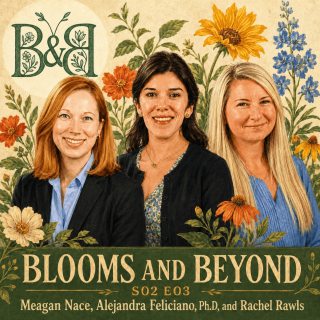
(upbeat music) Ping Yu: Well, hello, everyone.
Download transcript (.srt)
0:00
0:06
0:12
0:13
0:15
0:25
0:34
0:42
0:44
0:49
0:52
0:55
0:57
0:59
1:02
1:03
1:04
1:06
1:16
1:21
1:29
1:33
1:37
1:38
1:42
1:45
1:46
1:52
1:54
1:59
2:03
2:13
2:15
2:23
2:31
2:35
2:43
2:53
2:54
3:01
3:12
3:17
3:25
3:37
3:37
3:38
3:42
3:53
4:03
4:04
4:13
4:22
4:28
4:31
4:31
4:40
4:42
4:48
4:51
4:53
4:58
5:00
5:10
5:12
5:13
5:17
5:22
5:25
5:29
5:35
5:45
5:55
6:01
6:11
6:16
6:16
6:21
6:31
6:34
6:42
6:51
6:55
7:03
7:05
7:11
7:21
7:31
7:35
7:40
7:42
7:43
7:46
7:47
7:55
8:05
8:09
8:13
8:23
8:28
8:36
8:38
8:46
8:48
8:52
8:55
9:05
9:09
9:20
9:27
9:28
9:31
9:32
9:40
9:43
9:45
9:53
9:54
10:00
10:10
10:14
10:19
10:20
10:21
10:22
10:24
10:27
10:36
10:45
10:46
10:54
11:02
11:03
11:07
11:16
11:25
11:29
11:35
11:44
11:45
11:48
11:56
11:57
12:02
12:04
12:10
12:11
12:21
12:24
12:25
12:34
12:38
12:45
12:54
12:56
13:07
13:09
13:19
13:21
13:25
13:31
13:34
13:35
13:45
13:53
13:53
14:03
14:10
14:12
14:13
14:17
14:26
14:35
14:41
14:42
14:45
14:47
14:48
14:49
14:51
14:53
14:55
14:57
15:07
15:13
15:14
15:14
15:15
15:20
15:30
15:33
15:34
15:36
15:39
15:40
15:42
15:45
15:55
16:02
16:05
16:07
16:07
16:12
16:14
16:16
16:25
16:28
16:31
16:39
16:39
16:40
16:41
16:43
16:46
16:49
16:59
17:06
17:13
17:18
17:28
17:35
17:38
17:41
17:51
17:53
18:04
18:08
18:11
18:12
18:19
18:30
18:40
18:46
18:53
18:57
19:08
19:12
19:22
19:32
19:34
19:35
19:36
19:47
19:50
19:58
20:01
20:03
20:12
20:13
20:20
20:23
20:31
20:34
20:42
20:52
20:56
21:05
21:08
21:12
21:19
21:20
21:22
21:24
21:25
21:35
21:45
21:47
21:56
21:56
22:07
22:17
22:19
22:24
22:24
22:35
22:38
22:47
22:49
22:50
23:00
23:05
23:14
23:15
23:19
23:22
23:23
23:24
23:32
23:33
23:36
23:46
23:53
23:59
23:59
24:04
24:06
24:14
24:17
24:28
24:31
24:34
24:39
24:41
24:45
24:50
24:58
25:08
25:12
25:21
25:22
25:33
25:37
25:47
25:53
25:58
25:58
26:00
26:10
26:12
26:14
26:19
26:21
26:23
26:33
26:43
26:53
26:55
27:00
27:09
27:14
27:15
27:21
27:25
27:29
27:39
27:41
27:43
27:47
27:52
27:58
28:00
28:05
28:07
28:18
28:21
28:32
28:36
28:40
28:50
28:52
29:02
29:08
29:16
29:19
29:25
29:28
29:34
29:44
29:54
30:00
30:03
30:12
30:14
30:15
30:21
30:30
30:38
30:39
30:49
30:56
30:59
31:08
31:09
31:14
31:20
31:29
31:37
31:48
31:49
31:53
31:58
32:00
32:03
32:06
32:13
32:23
32:25
32:35
32:36
32:45
32:54
32:55
33:03
33:07
33:18
33:20
33:23
33:26
33:36
33:41
33:43
33:45
33:55
33:57
34:04
34:05
34:08
34:19
34:30
34:32
34:42
34:48
34:51
34:53
34:56
34:58
35:08
35:18
35:29
35:33
35:42
35:51
35:54
35:59
36:10
36:14
36:20
36:29
36:32
36:43
36:53
36:55
37:05
37:08
37:10
37:13
37:23
37:33
37:35
37:45
37:48
37:52
37:59
38:00
38:03
38:13
38:17
38:27
38:33
38:43
38:53
39:03
39:08
39:09
39:19
39:23
39:32
39:39
39:43
39:44
39:54
40:04
40:12
40:18
40:19
40:25
40:28
40:28
40:37
40:40
40:48
40:57
40:57
40:58
41:07
41:08
41:18
41:20
41:29
41:33
41:43
41:49
41:58
42:09
42:13
42:18
42:24
42:35
42:35
42:38
42:49
42:55
43:05
43:08
43:14
43:18
43:28
43:38
43:40
43:44
43:45
43:50
43:57
44:04
44:06
44:08
44:11
44:16
44:17
44:26
44:32
44:33
44:42
44:48
44:53
44:56
45:05
45:11
45:20
45:26
45:28
45:30
45:40
45:42
45:50
46:00
46:07
46:18
46:23
46:27
46:37
46:46
46:47
46:55
46:57
46:58
47:09
47:17
47:19
47:26
47:36
47:37
47:45
47:55
48:00
48:05
48:12
48:18
48:21
48:21
48:26
48:27
48:32
48:35
48:37
48:40
48:48
48:54
49:05
49:10
49:16
49:20
49:20
49:24
49:33
49:36
49:37
49:38
49:42
49:42
49:43
49:44
49:49
49:57
50:05
50:05
50:07
50:16
50:24
50:31
50:33
50:37
50:37
50:37
50:40
50:40
50:41
50:49
50:55
51:04
51:05
51:10
51:12
51:23
51:24
51:25
51:29
51:40
51:50
51:54
51:56
52:03
52:07
52:11
52:13
52:23
52:32
52:39
52:42
52:52
52:55
53:04
53:14
53:19
53:24
53:31
53:37
53:38
53:38
53:46
53:47
53:57
53:57
54:00
54:00
54:07
54:13
54:17
54:21
54:26
54:29
54:37
54:37
54:38
54:39
54:40
54:41
54:42
54:49
54:58
55:04
55:10
55:20
55:21
55:24
Welcome to the Blooms and Beyond podcast, a podcast that uncovers plant history, culture, and management through the lens of science.
I'm your host, Ping.
How's everyone doing today?
I'm doing great, great because here I have not only one, not only two, but three awesome ladies here with me today on the show, and we're going to
talk about the hidden story behind the scene with what's going on about, uh, uh, behind AmericanHort education team.
All of the three ladies have tons of stories and knowledge to share, so I don't wanna steal any more thunder from our speaker today.
Let's just jump right into it.
Without further ado, here is my conversation with the AmericanHort educational team.
I hope you enjoy it.
(upbeat music) So hi, Meagan, Rachel, and Alejandra.
Uh, welcome to the podcast.
But first, let's start off with introduction.
Can you tell our audience a little bit about who you are and what you do?
Meagan Nace: Yes.
Thank you for having us.
This is so much fun.
Um, I'm Meagan Nace, I'm the senior education program manager at AmericanHort, which is a lot of words that sa- that pretty much says I oversee the education team
and all programming that we do, um, through AmericanHort.
So anything like the certification programs, Cultivate always a big one, our fall conferences that we do.
Um, we have a new micro-credentialing program as well.
Any kind of webinars or anything education-focused, that's my jam.
That's our jam.
So Rachel and Alejandra also do a lot on our team.
You guys wanna go next?
Rachel Rawls: Yeah, sure.
I'm Rachel Rawls, and, um, I focus on education content development.
I'm the education program manager as well.
And so a lot of my time really lies in events-based education.
Um, so that's Cultivate and any of the smaller conferences that we do, like Plug and Cutting.
I work on identifying topics, recruiting speakers, um, shaping session formats, and just making sure that all of our programs stay aligned, um, with what the industry is
asking for right now.
Um, so I'm always thinking about how we deliver education that is really applicable and practical, um, and credible.
Alejandra Feliciano: And my name is Alejandra Feliciano, and I'm the newest addition to the education team at AmericanHort.
Um, and I'm the Spanish curriculum development manager.
So I lead our Spanish language programming, and I also help lead the HortCred digital badge program.
I really try to expand access to education and make sure Spanish-speaking professionals feel represented and supported by AmericanHort.
Ping Yu: Yeah.
Well, thank you guys for, uh, for the very quick introduction, but, uh,
I know that you guys are b- all coming from different backgrounds and, uh, apparently are working like a dream team together to make the magic happen for the AmericanHort.
Um, but can you guys tell us a little bit about your background, just within two sentence?
I know it's going to be a lot and, uh, it's going to be a lot of intriguing stories we can, you know, we can spin off down the road.
Just give us a basic understanding of you guys, uh, with the, background and how you guys, uh, complement each other as a team.
Meagan Nace: Yeah.
Great question.
Um, it could take us all an hour at least, maybe five.
But ultimately, I think what really helps our team and r- really gets us to the point of making such great education for the industry
is that we're pretty balanced, but at the same time, we all have a very, very different background, but each one of our backgrounds is rooted in education development from
the start.
So for me, for instance, I got my, uh, start or training in agricultural education is what I went to school to do.
Um, and then ended up in the research industry pretty much, um, with doing new product development, uh, launching products for Scotts Miracle-Gro.
So that's where my horticultural journey in a snapshot could be.
Rachel, you wanna take it?
Rachel Rawls: Yeah.
So I, um, I grew up in Georgia, and I went to the University of Georgia and got my bachelor's in horticulture and stayed there for a couple of years
after to get my master's in ag.
Um, I think now they call it ag and environmental education or something.
They changed the title as soon as I left.
Yeah, environmental land, (laughs) So I got my master's in that.
Quickly went to, um, the University of Georgia Extension right after.
Um, absolutely loved it.
I worked with, you know, 4-H kids and, um, I was also the extension agent, so I worked with a lot of homeowners, um, with their, any questions they had
about, um, home gardens.
So I loved that.
Right after that, I went to Purdue Extension in the Midwest.
Um, so we lived there for a few years and, um, did the same thing up there.
So, um, different people, but absolutely loved it.
And now I'm here with AmericanHort.
Alejandra Feliciano: And I grew up in Puerto Rico, and I went to school in Iowa.
So I got my master's degree in horticulture at Iowa State University, and then I got my PhD in horticulture at Washington State University, which is where I live now.
And after that, I worked as a landscape designer, um, and practiced, uh, landscape design as well as, um, I was a, a community college,
uh, instructor at a horticulture department focusing, of course, in landscape ecology and landscape design.
Um, we definitely all, all of us have different bask- backgrounds, but honestly, I feel like that's one of our biggest strengths because we're able to cover all the different
and diverse industry segments that are in horticulture.
Ping Yu: Yeah.
Uh, very well said, because for folks out there who's listening to this, they...
Every time, uh, I got those misconception from people talking about horticulture, and all they think about is the production, uh, is the plant production or
the flower that they pick up from the grocery store.
But we as a industry, we just cover a lot, way more than you can imagine.
We have the landscape, we have the homeowner, we have the garden, we have the commercial greenhouse, uh, nursery, we have the retailer.
We have everything you can think of that has anything to do with plant.
And plant is basically everywhere within your life.
You have something to do with plants.
So with Rachel's, uh, expec- percep- perception from the industry, um...
Oh, well, with Meagan's perception from industry and Rachel's, experience, extension, and Alejandra's experience in landscape and education,
you three are actually building the dream team to provide all those aspects that our industry is looking for.
That's why I'm talking about you guys as a- (laughs) the dream team.
Meagan Nace: So let's- It's so funny, you say that, because sometimes we do call ourselves that.
(laughs) Ping Yu: What- Oh, really?
Meagan Nace: We have, a lot of fun.
We have so much fun, I think.
(laughs) Ping Yu: I bet.
Uh, well, that's the most important part of the, the, of the job, and I can totally tell that you all are very passionate about horticulture.
And I'm, I'm so glad that we're having this conversation right now so that we can spread the plant power, the knowledge, the awareness, or raise the awareness for horticulture
to a larger audience.
(upbeat music) So let's talk about the planning.
And, um, so Cultivate is definitely one of the biggest events in the United States for our, um, great surviving
green industry, and you guys are the hidden heroes behind the scene.
So when planning a major event like Cultivate, how early does the conversation start and how...
What does each one of you focus on?
Can you just tell us, uh, just walk us through the kind of process of planning for Cultivate?
Meagan Nace: Well, that's a loaded question.
I'm not sure that planning for Cultivate ever stops.
We're already looking at 2027.
(laughs) So we've got most of '26 locked and loaded, um, on the education end, but we're already thinking of, "Okay, what's '27 looking like?"
Um, so I guess to answer that, educat- planning's year-round for Cultivate.
A lot of times we'll even secure some speakers and topics, like, o- on the spot right after a session at that current Cultivate for the next year.
So it's kind of wild to think that amongst all of the other things that we do, we always are thinking about Cultivate.
How can we make it better?
How can we do more kind of thing.
Um, so yeah, the...
I guess overall from my perspective and what I'm constantly thinking about too is focusing on that big picture strategy.
What are those bigger needs for the industry?
What are the big topics kind of thing?
And of course, the, the not so fun part of it is the budget piece that, you know, I have to always go, "Oh, I don't know if that'll fit
in the budget."
But we always like to test the, test the boundaries to do as much as we can with what we have for our industry.
'Cause like you said, that's all of our passions, um, is how can we do more for our industry to help them do more and be successful, so.
Um, Rachel is on our team, and Alejandra too.
Uh, I'm kind of the person who they're like, "Meagan, are you sure that we have time to do that?
Are you sure?
That's a lot of work.
Are you sure?"
And I'm like, "I don't know."
Rachel and Alejandra are really great at keeping me in check.
Rachel is really great though at making sure we're all on task and on track for Cultivate, anything in general, but Cultivate for sure.
So I'll let them, I'll let them talk a little bit more too about all of the things that they do, 'cause they do a ton for Cultivate.
Rachel Rawls: Yeah, I try my best.
I think that's where we really complement each other in that aspect of like Meagan's got all the big vision and we...
You know, it's my job to execute a lot of those, and so, um, which is really good, because sometimes when it comes to like the big picture stuff, for
me, that, that's the hard part.
So yeah, we, we get so many good session proposals.
Um, so just to, like, give you a little idea, we typically have about 160 education sessions happening across the four days.
We usually get around 4 to 500 session proposals, and so we read those, we keep them in our files.
And even if there's something that we say like, "This is great.
We, um, we can't use it for '26 because, or for this year, you know, because it's...
We just don't have room," um, we lock in speakers sometimes, like over a year in advance, and we, we have those, um, really great sessions just on file, and
we know that we're gonna use those next year.
So, um, that's something that I do.
Um, I focus on building the actual program out, so the education lineup, um, that includes any of the topics and the speakers and the structure of any of the
sessions.
Um, and, we can talk about that later if you want, about, um, how that's changed a little bit over the last few years.
But I'm also...
I'm watching the industry trends and needs, um, so that the program stays current and it stays relevant.
So I have a...
For me, I have a strong passion for, um, the grower-based education, so I focus a lot on the greenhouse and the nursery education tracks and the production tours that,
um, people see.
Alejandra?
Alejandra Feliciano: Well, I think just to add to what Meagan and Rachel said, we start planning for Cultivate as soon as it ends, like she said.
And one of the things that we have is the feedback surveys from all of the sessions.
So we look at that, and we see what worked and what people really resonated with, or what they may want more of.
And then the other thing is that I would say that the programming that we do wants to always be directly connected to the feedback we receive from our members
and what our members are saying that they need.
So we, uh, really make big efforts to be connected to what's happening in the industry now through our industry connector groups, and we have an
industry connector group for each segment.
So, like, for greenhouse, for nursery, for landscape, for interior landscapes, and we have a summit where we all get together and discuss what the education needs
are in October.
Um, and after that, we also still main- maintain the communication each month.
So we have, uh, monthly calls, and we ask, you know, "What is happening at your company?
What's happening in the industry right now?
Um, what do you guys need help with?"
So that also helps shape in terms of which proposals that we receive we think might be more relevant for that year or not.
Ping Yu: Yeah, 'cause I think AmericanHort is actually doing a very good job, uh, of, um, meeting the, uh, industry needs.
It...
Just by having Alejandra, for instance, is a, a showcase of how much, you care, uh, because, um, for, believe it or not,
um, our industry is really rely on, uh, a lot of Spanish speaker or even growers.
We just can't live without them.
So...
And they need to be trained, and they need to be successful in their career as well.
So they definitely need the resources to help them to be successful in their career down the road.
(upbeat music) But while you guys were talking, I was, uh, wondering my head, as a team, do you guys know your personality?
Have you guys done any personality test or the, the...
There's a, the, the...
It's called a six working genius test.
Have you guys done any of those?
Meagan Nace: Oh, yeah.
That- I've...
Yep day one for all...
for everyone.
So Rachel came on board.
Rachel was up fi- okay, four years ago.
So before Rachel, it was me doing education solo, and one of the things that I've always carried with me since high school, um,
through FFA, all the things, was the S- uh, Franklin or the StrengthsFinder.
The...
So go...
Yeah.
So it, it's funny because they say, like, your strengths don't change as you get older.
Like- They- But yeah, so we, we look at our strengths a lot of times, not just from, you know, our experiences, but those StrengthsFinder strengths and really lean
into those anytime there's, you know...
Every team butts heads.
We butt heads a lot.
Um, not a lot, but, like, small things where, you know, we're like, "Hey, what about this?
What about that?"
So we always lean back into our strengths.
Same with everybody on the team in AmericanHort.
And when Rachel came on board, I work a lot with Neil Glatt and some of the other speakers, um, that I'm close to, not just because from Cultivate
or whatnot, and Neil really helped me as a new manager at the time working through, you know, what do we do?
How do we use strengths as a team moving forward?
So a lot of that has been so helpful.
Ping Yu: Yeah.
So the reason why I'm asking that is while you guys are talking, I would like...
I can definitely say Meagan now the...
Well, not just because her, her role.
Well, maybe just because her strengths and putting (laughs) her into the role in the beginning, but she's definitely the, a visioner.
She has a vision and then, you know, the goal achiever.
And then Rachel, you're definitely the instant...
The medium that you talked about, how you do those things, I'm like, "She is definitely one of the, you know, the, the six..."
Oh, gosh.
The, what's it called?
Six genius...
Oh, w- working genius.
You're definitely one of the, uh, tenacity.
Getting the vi- vision and then get it down.
Like, that's how I say that you guys can work as a team is perfect because working as a team is always, you always need somebody to
have the vision and somebody who takes the vision and take action and make it happen.
So that's why I was like, "Oh, those three just work perfectly from different perspective."
And I assume that you would have different strengths (laughs) and different personality in that regard.
(laughs) That's why I, I just, uh, you know, just, uh, uh, out of curiosity asked you the question, 'cause that's very fun.
(upbeat music) Well, um, let's circle back to the, um...
Sorry about all that random question, but I think that would be fun.
But circle back to Cultivate planning.
When you guys meet, and of course you would have reached to different, um, speakers and even with the proposal bank that you s- uh, you, um, you save for
later use,
what type of topics that you would think that must be included versus, okay, this might be trending but
may be short-lived or may not be suitable for this year?
How do you make those decision?
Yeah.
Meagan Nace: So Alejandra kind of mentioned that we have a fall summit, and we can talk a little bit more about that later.
But during that time, we really take leaders in the industry who- We work with a lot, and we, our team could not do what we do without these individuals.
But w- we utilize some of the feedback from there to really prioritize and focus on those foundational issues that, you know, the industry's seeing across the
board, from greenhouse to retail, to even the interior landscape segment of our industry.
You know, m- labor, profitability, production challenges, leadership, always huge.
And within leadership, you know, is talent development, workforce development.
So those are usually our big priorities, and each segment has those issues, and they each have different niches
within that, or different tiny little problems that, you know...
Now we have, instead of just one education program, that's turned into seven different programs that, you know, might have that original foundational issue.
So we like to look at it as, how can we fine-tune these programs to be very specific to those needs, and very sensitive to those needs?
So you know, from that, that's kind of where we start.
And trends matter.
They're huge.
That's, you know, at the end of the day, the customer is, you know, who we're focused on, and how do we connect the growers to the customer?
You know, there's the retailers, there's the landscape side of things.
They're kind of the clearing house for the industry, so how do we connect those segments and those different streams of the industry together?
So that's kinda like the big picture.
Um, and then from there, there's always more.
Rachel has some really good insight too, um, and Alejandra, is what are those fine details that they, that we look at?
Rachel Rawls: Yeah.
I would say, like, one thing that we keep in mind is what is best for the attendees when they are...
You know, spend- they're spending so much money to come to these events.
They're spending all their time, you know, either taking PTO or, you know, all the work that they've left is just piling back up at home.
Um, we try to make the best of their time that we can.
So, you know, I would say things in theory are nice to listen to, but one of the reasons I think that they come to these events, um, is that
they want to hear things and information that is applicable, things that they can immediately go back to, you know, back home and, and immediately use it in their operations.
So that, that's one of the lenses that I look at or look through.
It's one of those things where, like, if it's trending but it doesn't change any decision-making or outcomes, it's probably not gonna make the cut for, uh, education.
Um, but there are other things that are obviously trending.
You know, you've got automation, sustainability, workforce development.
It's trendy, but it's super useful immediately, so we, we always prioritize stuff like that.
AI.
(laughs) Yes.
Big one.
Alejandra Feliciano: Yeah.
And for Spanish programs, we actually have a Spanish advisory committee that also helps us, you know, understand what the priorities are for Spanish programs.
So i- in the committee we have people from, from different types of businesses, like nursery owners, from a nursery owner to, um, you know, like, a, a
head grower at a greenhouse.
So we try to get multiple different perspectives to really understand what those education needs are and what our priorities should be.
Ping Yu: Yeah.
Um, so I know I mentioned a little bit beforehand just to emphasize how big our industry is and how important every segment is,
but can you give us a bigger picture of the education for Cultivate so that people would understand what kind of segments are included and can be,
um,
incorporated into the green industry as a whole?
Meagan Nace: Yeah.
So from that umbrella view, greenhouse, r- nursery, reta- garden retail, um, interior landscape, those are,
like, five core industry segments.
And within those we know, and you know, like, everyone is starting to experience and kind of dive into, you know, what kind of careers are in horticulture.
There's a ton of them.
There's so many.
So one of our challenges for Cultivate, because so many people come from all parts of the industry, um, at all levels, from owner CEOs
to, you know, their team, who's physically growing and doing the work in the greenhouses.
So that's our, our, I guess, biggest challenge, is how do we create programming that covers all of that?
So Cultivate is...
Our team, the r- parts of the rest of our team always kind of laugh at us.
They're like, "Are you sure we need one more pest session?
Are you sure we need..."
I'm like, "Yes, we do."
The a- the answer's always yes, and we probably need five more of them, but we only have so many rooms and so many t- so much time in the
day at Cultivate.
So that's kind of how we attack that.
And then we have what we call the management clinic sessions, which is, you know, any HR leadership for s- CEO level, but leadership for new
managers and those young professionals in the industry, 'cause that's just as important, if not more so.
So we're tackling it from all angles per se.
Ping Yu: Yeah.
So how many sessions do you guys normally have every year for Cultivate?
Just for Cultivate.
Meagan Nace: Just for Cultivate, well, also another joke within our team, because, uh, they always say, "How about 100 sessions?"
I'm like, "How about 160 sessions plus?"
So (laughs) we will put sessions as needed if they are needed in nooks and crannies of that convention center, but we usually hover on
average around 160 sessions.
Ping Yu: Wow, 160 sessions.
That's- Yeah a lot of moving piece just in the whole process of making it happen.
Meagan Nace: Yeah.
Ping Yu: But so f- what about the, uh, Spanish program?
Does that provide similar, uh, topics to the regular session?
How does that different from, or fit in to the already existing program that you guys have for...
'Cause before, we don't have the Spanish program, and how, how does- how do you guys make sure that it fit in into the whole educational planning?
Alejandra Feliciano: Generally, I would say that we try to mirror what's being offered in English.
Um, and that's one of our big goals, is to make all of the education that's available in English accessible also to Spanish audience.
So that's the biggest thing.
Aside from that, I think that there's also a lot of interest in, one of the topics that has risen to the top is just leadership development and just general,
like, professional growth is one of the things that our advisory group really said.
It's like, "How do we take this talent that maybe is really technical and really has a lot of experience, maybe growing or a lot of experience in the landscaping
industry, and they're really capable, um, but how do they take that next step into their career?"
And so, uh, we've been working on some programs to help support that as well.
Ping Yu: Yeah.
No, that's very essential.
Like, like we said, uh, our ultimate goal is to help everybody in our industry to survive with our industry.
That's part of the sustainability.
I mean, we want them to be successful.
We want them to have a good life, and they are just like everybody out there.
They have their own family to support.
They have their own life to live with.
They just happen to be in our industry and doing all this great stuff to you who is listening right now.
(upbeat music) So I know that AmericanHort has a lot of resources and o- o- of course, Cultivate
is just, uh, one of the big event where thousands people from different places just gather together to enjoy, have a kind of, I would say, the green industry festival,
(laughs) uh, every year.
But what other educational resources does AmericanHort provide?
Can you just tell us a little bit about that so people, if people are not able to go to Cultivate and they wanna look for more resources that you
guys provide so they would know what to look for?
Meagan Nace: Yeah, great question.
Kind of back to your question earlier where, you know, you asked how, what is the planning cycle for Cultivate?
It's year-round, but so is all the other education we do.
Uh, (laughs) we know that learning never stops, and it shouldn't.
Everyone should constantly be learning something new or building on what they know already, um, whether from a technical standpoint or, you know, if you're
now found yourself managing a team.
Um, there's always something to learn.
There's always new ways to grow professionally as well.
So that's one of our challenges, is, you know, how do we, how do we help people?
How do we help businesses, and at, from a sustainable standpoint, um, you know, continue in the industry?
So it's year-round.
We do a lot of webinars or e-learning, um, whatever you wanna call it.
Everyone calls them something different.
And every one of our programs that we do, um, we started branding and, you know, if you see something that says m- a mastery series, that's a program
that is a deep dive, kind of like think a master class.
So deep dive on a specific topic that, you know, someone might not have time to go take a full-on college course yet, but they still need those, the basic
principles, and they need that useful information to be able to do their job.
So those mastery series are really helpful with that.
We do, we have a grower certification now for a Technician level and Section Grower, and continuing to build out certifications across the industry
segments as we go.
And we do, uh, we just launched a new micro-credentialing or badging, also however you wanna talk about it, program, because cert- certification
takes a while, a- as it should, and what's that happy medium in between?
You know, if you have a large team or even a small team that you're trying to get that technical information, because we know not everyone came from a horticultural
background, but they want to work in our industry.
They want to be working with plants, around plants, 'cause it's a gr- it's a great job.
So how do we help them get up to speed?
How do we help their, um, the owners or the HR teams train their teams on that technical aspect?
So we have that new badging program that helps and, you know, it's a very quick but trackable way for individuals to learn or continue their learning.
And we're always adding to education, and the idea is that we have a complete ecosystem of educational products that meets our
industry and individuals where they're at in their career and in, in their stage of life.
So that's our ultimate goal.
You- sorry, I can talk all day about this, so I'm gonna kick it back to the team so they can stop me (laughs) and, um, add in their flair
on what they're working on.
Rachel Rawls: Yeah.
I wanna highlight just two programs, um, before I, you know, pass it on to Alejandra.
We recognize that, you know, like I, like I said earlier in the program how, you know, expensive attending Cultivate is.
Like, it's hard if you are going, you know, by yourself or even if your company has to budget all of that in, um, that's a lot of money to
commit to sometimes.
So one of the things that we've been doing, um, and this happened since the, the COVID era was happening, we have been recording Some of the sessions
that were at Cultivate, um, we have this whole on-demand program, and, um, so that, I think that really helps people.
They can attend, they can sort of attend with Cultivate in that way.
You know, they can watch, um, a lot of the education, um, that was happening, or even if you went to Cultivate and you didn't get to attend, you know,
we have, what?
160 something sessions, so that's like 11 happening at the same time.
So, um, if you wanted to watch any of the extras that you couldn't attend, you get to also see them that way.
Um, the other thing that I wanted to highlight that I, um, am really proud of is our Grow Forward series, and so a lot of the education that we
do is very technical, so very related to your job, those types of skills that help you do your job better.
But the Grow Forward series was started by the, um, Generation Next Community Connectors, and they really wanted an education series that helped
them personally.
So it's a lot of w- like, personal and professional development.
Um, so it's more of those softer skills, and it's been really great.
We started that in 2024.
We host six of them virtually throughout the year.
We get a ton of engagement through those.
Um, people are just really interested in learning how to better themselves, um, in our industry and, and I love that.
Alejandra Feliciano: Yeah, and as you can imagine, my role is to make sure that all of these wonderful webinar series and events that we have outside of Cultivate are available
in Spanish as well.
So one really exciting thing that we started last year is a lot of these webinars that Rachel is mentioning, um, we're offering them with live interpretation services
in Spanish.
So when you join a webinar, you can join the audio in Spanish or the audio in English, and it's just available for a broader audience like that.
And then for the badging program that Meagan had talked about, we also have been looking at all of those badges, whether it's like getting skills in plant nutrition or
pests or soils.
Each individual badge is also available in Spanish as we're continuing to build the program.
Ping Yu: Yeah, well, apparently you guys are busy throughout the year.
The, uh, I, I just can't imagine how you manage do all those programs all at once with three of you because I attended Cultivate.
I was looking for some of you.
I just never had a chance to see you at Cultivate.
I was like, "Oh my gosh, where are they?"
And you guys are just running around making sure everything is w- okay, and I saw that's already a huge job for team of three, but you
guys are also managing and program, other programs.
That just, that's just amazing.
How do you guys do that?
Meagan Nace: I Okay, so there are just three of us, and a lot of times Rachel and Alejandra are really great at telling me, "No, we don't have time for this.
Put it, like, put it in the..."
We have a massive document of ongoing ideas and whatnot that, you know, we're like, "Oh, nope, doesn't fit on the calendar."
We do have to sleep.
Uh, we do have families, so it's not a thing.
But yeah, so but we also have a really great network, and we hinted to this a little bit earlier, too, of what we call con- community connectors.
So they are industry leaders, all volunteer, 100% volunteer, um, who help us sometimes when we need it with programs, with finding speakers,
with ideas and whatnot.
And then at Cultivate they help out a lot, too, um, but one of the things that is, I find really interesting about Cultivate is, you know, you hear people
saying, like, "I've been coming here since I was a kid," because they're a part of a multi-generational family, and that's amazing.
Some are like, "Yeah, this was, this was our summer vacation.
Like, we came to Columbus every year.
Like, but now as an adult I understand."
Um, so it's always fun to hear those stories.
But we have a, we are so blessed to have a very large group of volunteers who are some from the industry, some
not from the industry, just love the industry and are retired that come year after year after year to Cultivate to help us with those education sessions to make
sure that attendees and speakers are set and ready so they have a stress-free (laughs) session or stress-free, um, experience there at Cultivate.
And without those individuals we could not (laughs) pull it off.
So we are so lucky to have them, and I will say if someone's coming to Cultivate and they happen to see them in the session room, please give them
a high five or a thank you, um, 'cause they really are the secret sauce behind education at Cultivate, and everything at Cultivate.
Ping Yu: Yeah, I know, uh, I personally know a lot of volunteers.
(laughs) I'm pretty sure you were one of them at one point as well.
Yeah, and, and I think one of the cool thing about horticulture in general is that we do attract a lot of volunteers just because the nature
of horticulture in general, we are just such a
great industry and, and, uh, you know, just so welcoming.
Um, so everybody feel like, like, well, they can contribute something and they are willing to contribute even if they are retired.
They just still wanna pay it forward.
(upbeat music) So I know that a lot of those of, uh, educational programs, um, has a
lot of good researchers and extension specialists and extension professionals, and even industry leaders, uh, or people who are
in this industry for years.
So for from the researcher and extension professional's perspective, what's your suggestion for getting involved with
AmericanHort education?
Oh, reach out.
(laughs) Meagan Nace: Let us know what you're working on.
We're also, one thing that we haven't said much about too is at AmericanHort, part of our team that we work with, so Jen Gray
and Roni and Michael, they run HRI, so that's the research side of AmericanHort uh...
I am not gonna be the best to explain all of it.
What they do is amazing and so needed for our industry because without those advancements, without those researchers, we wouldn't be where we are today, or we wouldn't be able
to continue to grow and innovate.
So reach out to us, reach out to the HRI team as well.
I know right now they are, like elbows deep or whatever deep you wanna say it in grant proposals.
Um, they...
That team is amazing, and they do that.
And one thing at Cultivate that our team helps a little bit with, just on the, um, the back end and making sure everything is organized, is the Thrive Stage.
It's part of the Horticultural Research Institute, HRI.
It's part of their educational programming where they highlight the researchers, um, that have had some of the funding through HRI over the past few years or whatnot, and you
get to hear firsthand from them about their research and how it's impacting the industry.
But also, one of the things that, you know, coming from the research world and working with, um, various teams and looking at it and focusing on the
consumer end of it is, one thing I will say is that always think about when you're looking at, you know, wanting to speak at Cultivate or whatnot, you
know, how does your resar- search or how does it apply to that practical side of things, the practical side of growing or whatnot?
Like, that's like the golden nugget that everyone is always looking for.
So that's my two cents.
100%, always reach out to any of us on the team because we are always looking for ideas and ways to expand and ways to share some of that awesome
research that's happening that no one knows about 'cause it just hasn't been shared out.
So Rachel, w- we all work with a lot of amazing researchers, um, some present company included.
But Rachel does a lot of work, especially in the grower side of things, and Alejandra as well on the research side.
So do you gu- do you ladies wanna take this question too?
Rachel Rawls: Yeah.
You know, coming from Extension, I can say that, you know, I think one thing that Extension professionals do so well is just being able
to make education usable, and explaining it in a way that, not talking down to anyone, but talking on
the level of, you know, a grower or giving that education in a way that they can use it immediately.
And we love using Extension agents, Extension researchers in any of our education.
We absolutely love it.
Um, I get a lot of emails asking, you know, like, "I want to present at Cultivate or, um, a smaller conference.
I don't know what you're looking for.
Can you help me?"
And so that's really what I tell them is, you know, when you're thinking about a proposal you'd wanna write in the way, um, of like, what problem are you
solving for the members and for the attendees?
Um, what would you suggest growers do differently, something that they can immediately, you know, try and operate or, you know, do in their operation next week?
I just always try and tell them, you know, think of things that are applicable, um, and we usually get really great sessions from Extension.
Ping Yu: Wow.
I...
Alejandra Feliciano: Yeah, I think the number one word that resonates in my mind is we're a partner to Extension and researchers because we fulfill that outreach goal, and I'll give you
an example.
I had researcher that I worked with that they, um, they were a plant pathologist, and they did research on clean surfaces and, like, different types of disinfectants.
Um, that was what their research was.
And that type of research, really who's going to be using it is those frontline workers, um, that really need to know, you know, how does that get applied?
Which one's the type of disinfectant that I should use, or what should I look out for?
And through our programs, you know, they're able to reach that audience directly without having to go through so many intermediaries because, um, the recordings
or the, or the webinars that they do with us are accessible directly to those members.
And the other thing that I would say, too, is that, um, as far as for Spanish programs, we also have a lot of researchers, um, that are Hispanic.
Um, and just, uh, partnering with them, I think that visibility and them serving as a role model where we have researchers that are Hispanic also serving a Hispanic a-
audience, you know, has also a bigger impact.
Ping Yu: Yeah, representation matters (laughs) i- any aspect.
And, uh, as a Extension specialist myself, I can't agree, uh, more with what Rachel just said.
Um, sometimes you really have to, uh, engage with the audience so that you can get your message delivered and received in a way that you
wanted.
Otherwise, it's just nothing, no matter...
Well, we know there's a lot, a lot of great research happening, but we as Extension professionals has to translate it into
a language that can be adapted immediately by our audience.
So I think that's, uh, education where the communication skill is definitely one of the, well, what Meagan mentioned earlier, the golden nuggets that people or pre-
every presenters need to have.
And those are soft skills (laughs) that you guys have programmed to help with that too, so I think that's great.
(outro music)
But, uh, speaking of those sessions and presentations, you guys, I don't know how many sessions you have been to, uh, or two, can you guys share
one session, the topic that always resonate you and you still have those vivid memory of the session or the speaker the
topic?
I know there's gonna be a lot, but just choose one.
Rachel Rawls: Yeah, I can go.
I, so I know from an attendee perspective, um,
you know, one of the things we look at, like we get all the numbers back on, you know, how many people were at a session or anything, and there
are always some that just, it's standing room only, people are out the door trying to like peek their head in and listen.
Um, those are always the pests and disease ones.
Attendees love pests and disease.
That problem is not going away anytime soon.
Um, we know we are always going to have pests and disease sessions at Cultivate.
We really love those.
Um, for me personally, and it, it's helped a little bit now that, you know, we have more people on the team, um, we are able to say like, "Okay,
I'm gonna go peek my, poke my head in very quickly, um, for the session for 10 minutes, and, like, you stay at the desk.
I'll be right back."
I love going to the professional, like, development leadershippy sessions, and so I'll give a shout-out.
I, I'm a big Neil Glatt fan, so usually anything he talks about at Cultivate, I'm always like...
We put his sessions, like, right by our desk, and I can just poke my head in and, and listen for a few minutes.
I'm always inspired by those.
Alejandra Feliciano: Yeah, and I, as far as, uh, topics that resonate, I would say for the Spanish sessions, it's always things that bring people together.
You know, how can you have that cross-communication so that you can overcome language barriers?
I would say anytime there's a session that helps give some techniques for collaboration in that sense, that's really well, well-attended, I would say.
(laughs) Meagan Nace: I can't answer your question correctly because I cannot choose one.
Uh- I know, I know.
It's a tricky question, especially for you.
We have, we have internal arguments sometimes on, you know, what was the best session or whatnot and, you know, of course there's data that you can utilize that goes
along with that that'll answer that question.
But it goes along, it kind of goes back to how different and vast our industry really is, so that's such a tough question.
Obviously, I'm going to say, you know, in general that profitability and workforce challenges, like those sessions, they're so universal.
If we can help businesses at any level run stronger, smarter, you know, better, like that's kind of my...
Like, my personal favorite is to see how people take that information and build their businesses or build their teams, um, to s- to do more.
I, Rachel, lives in grower land at Cultivate, as we would say.
I am, I love, love, love retail.
I love the consumer side of it from my experience in past life, so any kind of retail centric, any kind of consumer trends.
Of course, we all love Katie Dubow and the Garden Media Group and their trends report and every year you, you're like, "Are they, is it gonna be, is it
true?"
They do so much research and they scour so many things, so many parts of the industry and consumer behaviors that every year you're like, "Oh my gosh, that totally
just happened.
W- we should have listened to that."
(laughs) So that one's a huge, that's always a huge session at Cultivate, and then one that I always, uh, there's always one or two sessions that, you know,
we plan, the speaker's great, we know they're gonna rock it, um, and you j- you just never know because you don't know who's gonna go to what session.
'Cause there's so many people, there's so many sessions.
We just haven't figured out that technology of, like, which session are you going to so we can, like, pre-interview you or whatnot.
But last year, the one session, it surprised me but not, was, uh, discovering your why, um, for managers of, like, why is it that
you're doing this?
It helping people not be burnt out of, you know, the hamster wheel that they feel like they're in, and there were some people who left that session in tears,
not like sad, not sad tears, like hopeful, happy tears, and there were several of them that came back, you know, mid-year and was like, "The things that I learned
and took away from this session has saved my business and my teams."
So that one is one that we actually are gonna do again this year because of the impact that it had.
So that's, I'm gonna go with for 2026, that might be my favorite session, so I'll try.
But see now if any of the other speakers are listening to this, please know that it's not because I don't love all of your sessions.
I do.
That's my PA.
Ping Yu: No, wait, wait, wait, wait, totally get it- You're get me because it...
No, no, I'm not.
So I sometimes I ask people about, uh, what's your favorite plant?
And people are just laughing at me, "Ping, you are wr- you're asking the wrong question."
I said, "Yeah, I know."
But then what about what's your favorite plant today?
So this is just the basically similar question because we as horticulturalists and, and, um, um,
we just love a whole lot of different stuff b- because everything is just awesome.
And, uh, I, I just feel like this is a good example of some of the topics that you were resonate because I don't, you cannot
attend all of them, and there's just too much that you (laughs) love about.
That's just, uh, your favorite topic today, Meagan, so you're not going to offend anybody.
(laughs) Rachel Rawls: Ask us what our favorite plants are before we leave.
Ping Yu: Okay, yeah.
What's your favorite plant today?
Rachel Rawls: Oh, my favorite plant today, I am a classic Southern girly, so oakleaf hydrangeas will win every time.
Ping Yu: Okay.
Alejandra?
Alejandra Feliciano: Oh.
Meagan Nace: You- I was gonna say, you take it, 'cause I'm still undecided.
Ping Yu: I know.
I was...
I, I can read your face expression.
I'm like, I'm going to circle back to Meagan.
Alejandra Feliciano: I have, um, r- I live in the Pacific Northwest, and right now my, uh, witch hazel's blooming, so I would say that is my favorite plant right now.
It smells amazing, and it's always pollinated by these little insects, which is really cool.
Ping Yu: Okay.
Have you decided, Meagan?
Meagan Nace: I mean, I'll go back to the OG of the original plant that made me fall in love with plants was, it's a peony.
Just, you know, r- growing up in rural Midwest, every farm has the row of peonies.
And when they're in bloom, and they're all in bloom, it is the most beautiful thing
in smell that you can imagine.
So I will go to that, but I have many other favorites.
I know.
know.
Like you said, depending on the situation.
All right.
Wait.
Since Alejandra said, she r- made me think of the one that, since it smells so good, my parents, if they're listening, they're gonna hate this when I say it,
but my favorite one for, like, scent is Edgeworthia paper bush.
Um, I bought one, uh, Mom and Dad if you're listening, I'm sorry, I bought one in, like, 2016 that was, like, in a, like, little small, like, five gallon
bucket.
Planted it in the worst spot possible at their house and was like, "You're gonna love this.
It's not gonna get very big."
It's probably, like, 15 feet wide at the moment, and it has definitely overtaken their front porch, but the smell is amazing, and it's absolutely perfect.
Ping Yu: Yeah.
I, I, I know.
Well, all of the plants that you guys just mentioned, I love them all.
And, uh, the peony, my God, I just finished one episode on peony, so (laughs) And, uh, I, I just wanna shout out there with plant,
uh, every time you just grab a plant from the garden center, just think about there are just so many things behind the scene about the plant historically,
culturally, and, uh, a lot of great things going on.
With peony, they have...
it just tons of poets and literature, books.
It just all centered with the one plant.
So it's just how wonderful our horticulture world is.
Um, I just love it.
(upbeat music) With that in mind, if people wants to stay tuned of all those wonderful programs
and resources that AmericanHort has, and, uh, where do you guys recommend them go looking for those kind of information?
Meagan Nace: First place to start is always the AmericanHort website, so americanhort.org.
All new education is posted there.
Um, not just what we're doing as an education team, but our advocacy team is killing it, um, in helping and protect and defend our industry and really
advance it, you know, on that end of it.
Um, and then as well as the HRI team, um, and all of the research and what they're doing and working on, it's all there on the AmericanHort website.
And cultivateevent.org is the official Cultivate website for all things Cultivate, but you can get to that too, every- everything
through the website, the AmericanHort website.
Rachel Rawls: Uh, we're also active on all of social medias, um, all of those major platforms.
So we've got LinkedIn, Facebook, Instagram, and X. We are on all of those.
That is a great place for members and non-members to get all of the updates.
Ping Yu: Yeah.
Alejandra Feliciano: Yeah.
For Spanish language resources, they can visit our online learning center, um, and search for content presented in Spanish.
And we welcome feedback.
So, um, if you have any ideas for Spanish programming or any other kind of programming, let us know what you need, and our team is happy to help.
Ping Yu: Yeah.
Reach out.
Okay.
I'll make sure that I put all those, uh, links on the show notes so people can get all those information very easy.
But thank you, ladies, for taking time out your busy schedule to talk with us today.
It's just, uh, such a wonderful
conversation that we had with those, the dream team.
And, uh, thank you for making it happen for our industry.
We just cannot survive without you guys.
You guys are really the true hidden hero, and that needs to be highlighted in one way or another.
Meagan Nace: Yeah.
Ping Yu: So thank you.
Meagan Nace: Thank you for having us.
Yes.
This was so much fun.
Ping Yu: Thank you so much.
(upbeat music) Conversation like this only happen when you support the show.
For more information and find ways to support us, please go to bandbpod.com, bandbpod.com.
If you like what you are hearing, spread the word and share this podcast with the people you love.
Make sure you hit that, uh, subscription button and give a review for the podcast.
And as always, go check out the show notes to learn more about this topic and other topics we featured on the show at bandbpod.com.
Thank you for listening.
Till the next time, stay healthy and go plants.
(upbeat music)