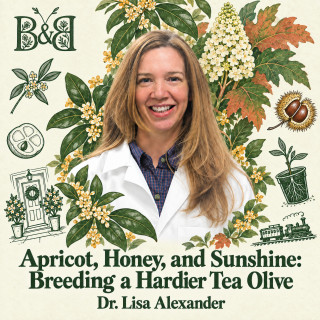
Ping Yu: (music) Hello, everyone.
Download transcript (.srt)
0:00
0:05
0:14
0:15
0:16
0:27
0:31
0:35
0:44
0:48
0:50
0:54
0:56
1:00
1:01
1:04
1:09
1:09
1:11
1:13
1:20
1:27
1:32
1:39
1:47
1:50
2:00
2:09
2:14
2:15
2:25
2:28
2:39
2:39
2:40
2:50
2:56
3:06
3:12
3:16
3:18
3:18
3:21
3:31
3:36
3:46
3:48
3:53
3:54
3:56
4:06
4:07
4:09
4:11
4:21
4:28
4:28
4:32
4:38
4:45
4:48
4:51
4:53
5:02
5:04
5:13
5:23
5:24
5:28
5:39
5:49
5:54
5:58
5:59
5:59
6:10
6:11
6:13
6:15
6:17
6:19
6:26
6:36
6:43
6:47
6:52
7:00
7:11
7:18
7:28
7:29
7:33
7:34
7:37
7:39
7:43
7:45
7:55
7:58
8:08
8:11
8:17
8:21
8:22
8:30
8:31
8:41
8:42
8:45
8:47
8:54
8:59
9:05
9:12
9:21
9:31
9:38
9:49
9:51
9:51
9:53
10:02
10:10
10:12
10:16
10:20
10:27
10:29
10:31
10:37
10:40
10:46
10:52
10:53
10:54
11:04
11:14
11:25
11:26
11:35
11:38
11:48
11:56
12:00
12:03
12:13
12:15
12:17
12:26
12:33
12:44
12:52
13:00
13:03
13:10
13:20
13:28
13:31
13:34
13:38
13:42
13:47
13:57
13:59
14:10
14:13
14:15
14:19
14:21
14:30
14:36
14:37
14:43
14:53
15:03
15:04
15:14
15:17
15:27
15:35
15:35
15:46
15:46
15:49
15:50
15:57
16:07
16:08
16:17
16:26
16:28
16:32
16:40
16:45
16:56
16:58
17:07
17:07
17:09
17:11
17:20
17:28
17:32
17:40
17:45
17:49
17:57
18:07
18:09
18:16
18:16
18:26
18:35
18:37
18:42
18:46
18:55
18:58
19:06
19:16
19:21
19:25
19:33
19:41
19:48
19:55
19:57
20:00
20:07
20:17
20:19
20:22
20:31
20:31
20:38
20:41
20:50
20:55
21:00
21:04
21:16
21:24
21:24
21:35
21:35
21:39
21:43
21:53
21:54
22:04
22:05
22:07
22:14
22:25
22:27
22:34
22:45
22:51
23:02
23:10
23:13
23:17
23:25
23:27
23:37
23:41
23:44
23:45
23:56
24:04
24:06
24:13
24:19
24:23
24:32
24:38
24:48
24:49
24:59
25:07
25:18
25:28
25:36
25:46
25:53
25:54
26:04
26:09
26:12
26:17
26:22
26:25
26:27
26:38
26:42
26:45
26:48
26:51
27:01
27:04
27:14
27:15
27:17
27:20
27:26
27:32
27:35
27:38
27:40
27:43
27:49
27:52
27:57
28:07
28:11
28:22
28:27
28:36
28:43
28:51
28:59
29:02
29:11
29:22
29:28
29:29
29:38
29:42
29:45
29:55
29:57
30:01
30:11
30:14
30:21
30:24
30:28
30:39
30:41
30:43
30:54
30:55
31:01
31:09
31:16
31:25
31:35
31:40
31:45
31:45
31:55
32:05
32:11
32:19
32:20
32:21
32:30
32:34
32:41
32:45
32:46
32:51
33:02
33:03
33:03
33:12
33:18
33:28
33:39
33:42
33:47
33:55
34:01
34:09
34:19
34:21
34:31
34:35
34:43
34:45
34:55
34:59
35:08
35:10
35:15
35:23
35:25
35:29
35:39
35:46
35:57
36:03
36:13
36:13
36:13
36:24
36:25
36:27
36:29
36:31
36:42
36:46
36:54
36:56
36:58
37:04
37:04
37:08
37:17
37:23
37:25
37:27
37:28
37:33
37:38
37:49
37:57
38:08
38:18
38:20
38:22
38:30
38:31
38:41
38:52
38:55
39:04
39:09
39:09
39:20
39:20
39:28
39:30
39:30
39:30
39:31
39:41
39:50
39:51
40:03
40:13
40:16
40:24
40:31
40:38
40:44
40:55
41:01
41:04
41:10
41:13
41:14
41:24
41:27
41:30
41:30
41:41
41:43
41:53
41:57
42:08
42:10
42:16
42:18
42:26
42:26
42:30
42:39
42:42
42:52
42:53
42:56
42:56
42:58
43:02
43:11
43:15
43:21
43:24
43:32
43:37
43:43
43:44
43:54
43:58
43:59
44:06
44:06
44:08
44:11
44:16
44:22
44:30
44:40
44:49
44:55
44:57
45:07
45:10
45:21
45:27
45:29
45:30
45:31
45:40
45:42
45:45
45:46
45:48
45:57
46:06
46:11
46:11
46:14
46:20
46:27
46:29
46:36
46:42
46:45
46:45
46:46
46:51
47:00
47:10
47:15
47:26
47:29
47:29
47:33
47:43
47:44
47:53
47:57
47:59
48:09
48:11
48:11
48:22
48:25
48:35
48:44
48:45
48:45
48:50
49:01
49:11
49:13
49:24
49:35
49:44
49:46
49:55
50:01
50:07
50:09
50:10
50:10
50:20
50:22
50:25
50:30
50:36
50:46
50:50
50:52
50:58
51:08
51:11
51:19
51:22
51:31
51:32
51:34
51:35
51:45
51:47
51:49
51:50
51:52
51:53
51:54
51:56
52:02
52:08
52:11
52:17
52:23
52:33
52:34
52:37
Ping Yu: Welcome to the Blooms and Beyond podcast, a podcast that uncovers plant history, culture, and management through the lens of science.
Ping Yu: I'm your host, Ping.
Ping Yu: How's everyone doing today?
Ping Yu: I am doing great because here I have one of my colleagues and my dear friend, Lisa Alexander, on the show today to share her horticulture journey
Ping Yu: with us, and more importantly, the osmanthus.
Ping Yu: Lisa has been working on ornamental breeding for years.
Ping Yu: We share one common interest, Osmanthus fragrans, which is another of my favorite plants that reminds me of home.
Ping Yu: So I don't wanna steal any more thunder from our speaker today.
Ping Yu: Let's just jump right into it.
Ping Yu: Without further ado, here is my conversation with Lisa.
Ping Yu: I hope you enjoy.
Ping Yu: (music) So hi, Lisa.
Ping Yu: Welcome to the podcast.
Ping Yu: But first, let's start off with the introduction.
Ping Yu: Can you tell our audience a little bit about who you are and what you do?
Lisa Alexander: Sure.
Lisa Alexander: Thank you for having me, Ping.
Lisa Alexander: I'm Lisa Alexander.
Lisa Alexander: I'm a research geneticist at the US National Arboretum, which is part of the Agricultural Research Service.
Lisa Alexander: And the National Arboretum is where science meets beauty, and it is a wonderful place to be.
Lisa Alexander: I run a breeding and genetics program that's focused on ornamental landscape plants.
Lisa Alexander: I have a breeding program for hydrangeas, for tea olives, for other woody ornamentals, very much traditional breeding.
Lisa Alexander: And I also do genetics and genomics work just to support long-term breeding strategies in ornamentals.
Lisa Alexander: I grew up liking plants.
Lisa Alexander: My background is mainly in forestry, but when the ability came open to breed plants at the National Arboretum, since I had
Lisa Alexander: a background in woody plants and trees, it seemed like a really good fit, and it supports the nursery industry in my home state of Tennessee.
Lisa Alexander: So that's kind of how I came to be here and to get involved in tea olives.
Ping Yu: That's great.
Ping Yu: And you kind of briefly touched base on the story of what brought you in horticulture in general, but can you share us a little bit about from that
Ping Yu: route what first sparked your interest in plants?
Ping Yu: I know you grew up with plants, and can you share a little bit more of your journey that leads to your current role as a researcher in horticulture?
Lisa Alexander: Sure.
Lisa Alexander: Absolutely.
Lisa Alexander: Well, growing up in the Ridge and Valley of East Tennessee, it really sparked my love for forests and nature, and through that, the plants that lived there.
Lisa Alexander: So that was, you know, my first love for plants, were the ones growing in the hills and valleys where I lived.
Lisa Alexander: It was later on in college when I started working with American chestnut trees that I started thinking more broadly about growing trees, about breeding trees, and that
Lisa Alexander: trees could be a crop, and that really sparked my first interest in horticulture.
Ping Yu: So you said your first degree is in forestry, right?
Ping Yu: Or your second degree?
Lisa Alexander: Yes.
Lisa Alexander: Yep, I have an undergrad in biology.
Lisa Alexander: It was a very basic biology program, but I did have an opportunity to do a research program with a chestnut breeder, and that really sparked my interest.
Lisa Alexander: The American chestnut tree is my favorite plant.
Lisa Alexander: It is such an iconic species for the eastern US, and it was my introduction to all the puzzles of inheritance, and the
Lisa Alexander: ideas of plant breeding for resistance.
Lisa Alexander: It really sparked my imagination about, you know, what is genetics?
Lisa Alexander: What is DNA?
Lisa Alexander: How does it relate to all of this?
Lisa Alexander: And at the time, sequencing and molecular markers were just in their infancy, so it was such an exciting time to be thinking about
Lisa Alexander: plant breeding.
Lisa Alexander: And then chestnuts are so tasty.
Lisa Alexander: So it was the perfect...
Lisa Alexander: You know, it was this perfect crossover for me between forestry and, you know, this iconic forest tree, and also chestnut production and tree crop
Lisa Alexander: production, and also just chestnut culture, eating, growing, and enjoying chestnuts.
Ping Yu: Yeah.
Ping Yu: So you kind of shared, I guess, chestnut tree is your favorite plant.
Ping Yu: Is that because it all kind of opened your door to the whole new world for you?
Ping Yu: Or are there any special characteristics of this plant besides that?
Lisa Alexander: Well, how many hours do we have?
Ping Yu: (laughs) We have one hour, (laughs) we have one hour in total.
Lisa Alexander: Short answer is yes.
Lisa Alexander: There are so many special characteristics of the American chestnut tree, the most important of which is it was the underpinning of an entire economy and an entire way of
Lisa Alexander: life.
Lisa Alexander: In the mountains, the lumber was strong and rot-resistant, so you could build houses and fences and barns out of it.
Lisa Alexander: The mast, or the fruiting crop of the chestnut tree, was enough to support pigs, which were the main animal that was grown, or raised (Ping Yu: Mm-hmm) in that
Lisa Alexander: region.
Lisa Alexander: And then the chestnuts themselves were eaten or used to make flour.
Lisa Alexander: So you could essentially live rurally in the mountains just off the provisions of the American chestnut tree.
Lisa Alexander: And so when chestnut blight came to the eastern US in the early 1900s, it didn't just wipe out a tree, it wiped out an entire way of life.
Lisa Alexander: And to imagine that one species could support all that is just amazing.
Lisa Alexander: And also the size of them, I can't help but love big trees.
Lisa Alexander: Who doesn't?
Ping Yu: Yeah.
Lisa Alexander: And (Ping Yu: Yeah, you're right) so, the fact that the eastern forest does not have trees like that today is, really intrigues my imagination about
Lisa Alexander: that tree.
Ping Yu: Yeah, I totally agree with you.
Ping Yu: Who doesn't like a big tree?
Ping Yu: I mean (laughs) they are just gorgeous.
Lisa Alexander: Yes.
Ping Yu: (music) So what brought you to tea, a sweet tea olive?
Lisa Alexander: Well, what brought me to tea olive was when you are establishing a breeding program, when one is (Ping Yu: Mm-hmm) thinking of all the wonderful species
Lisa Alexander: out there one could work with, there needs to be a diversity of plants in the program.
Lisa Alexander: A lot of the plants I work with are in very short cycles.
Lisa Alexander: They're intensive, or they require a lot of genetic work, or they all bloom in April and May.
Lisa Alexander: (laughs) So I specifically wanted a plant that I could have a more traditional breeding approach with.
Lisa Alexander: Also, that did not bloom, was not a summer bloomer, which is the time that most of my other crops bloom, and that did not have as
Lisa Alexander: big of a footprint in the US already, so that, I don't know, I had an opportunity to enter on the ground floor.
Lisa Alexander: Also, a former ARS researcher, Donna Fare, was a big fan of osmanthus, and she had me smell a branch, and that...
Lisa Alexander: I mean, I think that really wins you over.
Lisa Alexander: There's no smell (Ping Yu: Oh, yeah) that is like a mix...
Lisa Alexander: What do they say?
Lisa Alexander: Apricot, honey, and sunshine.
Lisa Alexander: It's like nothing else.
Lisa Alexander: And so I like trees, and so I was immediately taken with it.
Ping Yu: Yeah, I totally get it.
Ping Yu: Like, if you haven't smelled a tea olive, or Osmanthus fragrans, get one smell, and then you're gonna not get rid of it for your rest of life, 'cause that (Lisa Alexander: That's right)
Ping Yu: that smell just reminds me of home.
Ping Yu: Because like you said, the US doesn't have a huge germplasm compared to China because I think China has been cultivating
Ping Yu: this species for over 2,000 years.
Ping Yu: So they have a (Lisa Alexander: Yes) long history about this tree, and that's the root for my home country.
Ping Yu: So that's another reason why I love this plant in general.
Ping Yu: But what...
Ping Yu: Can you share a little bit about, like, history and culture here in the US with Osmanthus fragrans?
Ping Yu: 'Cause they...
Ping Yu: Well, I know that they are originally from China, but can you elaborate us or educate us the history of osmanthus growing in the US?
Lisa Alexander: Sure.
Lisa Alexander: Well, like you said, in Asia or...
Lisa Alexander: Osmanthus are native to all over Asia.
Lisa Alexander: Osmanthus fragrans is native to China, and as you said, have been cultivated for over 2,000 years.
Lisa Alexander: They're parts of poetry, art, folklore.
Lisa Alexander: Because they flower in fall, they're part of your autumn festivals, osmanthus cakes, osmanthus wine.
Lisa Alexander: I just, I love all the things that, especially China does with osmanthus.
Lisa Alexander: And although Americans don't have those same centuries-old traditions, we have been growing osmanthus for a long time.
Lisa Alexander: They came into this country in the 1700s and 1800s, during, you know, the great age of plant explorers and plant exchange.
Lisa Alexander: Both Osmanthus fragrans, Osmanthus heterophyllus, Osmanthus armatus were brought in from Asia.
Lisa Alexander: Robert Fortune, a famous plantsman, brought in a naturally occurring hybrid between Osmanthus fragrans and Osmanthus heterophyllus, and we call it Osmanthus × fortunei
Lisa Alexander: after Robert Fortune.
Ping Yu: Mm-hmm.
Lisa Alexander: So we've grown them for a while.
Lisa Alexander: Especially in the southern US, there's more of a culture for growing it, using it in landscapes.
Lisa Alexander: Nurseries will highlight it as four-season charm, a plant that brings both beauty and fragrance.
Lisa Alexander: It has landscape appeal.
Lisa Alexander: It can be valuable as a broadleaf evergreen shrub, a small tree.
Lisa Alexander: It's often used in verges, like roadside verges.
Lisa Alexander: You can drive around New Orleans, for example, and you can see osmanthus growing in verges.
Lisa Alexander: It's very versatile.
Lisa Alexander: It can be a tree or a small shrub.
Lisa Alexander: It's drought-tolerant, low-maintenance, and some of the traditions and cultural uses are growing here.
Lisa Alexander: It's being used in teas, perfumes, gardens.
Lisa Alexander: And so it's really being promoted, I think, by nurseries, especially as a landscape plant.
Lisa Alexander: But as that is growing more, all the other advantages and cultural uses are growing as well.
Ping Yu: Yeah.
Ping Yu: Yeah, I agree.
Ping Yu: And then just to clarify that osmanthus, in general, they have different types based on their bloom time and their habitat.
Ping Yu: And normally when you brought up the full season long bloom and beauty, there was a specific category or a group of the osmanthus, it's called...
Ping Yu: Well, in China, we call it Sijigui, means seasonal long osmanthus that will bloom over the year, if the environmental factor
Ping Yu: favors their bloom.
Ping Yu: And there are, for the rest of three other groups, they only bloom in the fall.
Ping Yu: And for the color, I think one of the...
Ping Yu: Anyone who is out there who has seen Osmanthus fragrans, they would be so charmed by the orange or the red osmanthus, that's,
Ping Yu: that's called the Jingui group, which means golden osmanthus (laughs) or gold color osmanthus.
Ping Yu: But we just have so many different species.
Ping Yu: And about how do you...
Ping Yu: Well, I guess, how do the different cultivars of Osmanthus fragrans varies in their fragrance,
Ping Yu: bloom season, and growth habits?
Ping Yu: Can you give us a full picture?
Lisa Alexander: Yeah, no, one of the most exciting aspects of Osmanthus fragrans is that there is so much diversity in those traits that you mentioned.
Lisa Alexander: Those four categories, I find them a little confusing, even as an osmanthus breeder.
Lisa Alexander: But I think what you mentioned are really the salient points, in that some of them have very creamy white flowers that are appressed to the stem,
Lisa Alexander: whereas some of the flowers are much longer, the stems and peduncles are just much longer on the flowers, so they seem more pendulant.
Lisa Alexander: There are differences in the color from sort of creamy white through light yellow to bright orange.
Lisa Alexander: And then the most important is the bloom time.
Lisa Alexander: So, the very bright one that blooms in fall only, we would call aurantiaca.
Lisa Alexander: And the one that blooms fall through the winter and into spring, we might call sempervirens or, you know, all season.
Lisa Alexander: And there are a few that are in a more disjunct sort of subspecies that are only spring blooming.
Lisa Alexander: So really there's a huge variation.
Lisa Alexander: And then you have the form.
Lisa Alexander: So Osmanthus fragrans are understory trees.
Lisa Alexander: They're native, you know, to temperate forests in China.
Lisa Alexander: And so they have the typical growth pattern of an understory tree where they're gonna...
Lisa Alexander: They can exist as a multi-stem shrub very happily, but in the presence of light, there is apical dominance that will take over, and they will shoot up, you
Lisa Alexander: know, to try to get the understory light.
Lisa Alexander: So, you know, some are more shrubby than others, but all of them have that multi-stem shrub, tree form growth habit, and all are very versatile
Lisa Alexander: in that they can be trained up to tree form.
Lisa Alexander: They can be a shrub.
Lisa Alexander: It just sort of depends on how, you know, you want them to be shaped.
Ping Yu: Mm-hmm.
Ping Yu: (music) What is your research or breeding program focused on for the tea olive?
Ping Yu: What traits that you're looking for specifically in the breeding line?
Lisa Alexander: Yeah.
Lisa Alexander: So we're focused on crossing Osmanthus fragrans with more cold-hardy species.
Lisa Alexander: So mainly Osmanthus armatus, heterophyllus, some of the fortunei cultivars, and trying to recover
Lisa Alexander: three main things: the upright tree form, the flowering fragrance, and the smooth leaf form of the Osmanthus
Lisa Alexander: fragrans.
Lisa Alexander: Many osmanthus cultivars have a holly leaf shape, and that's a little less friendly in a garden than the smooth leaf.
Lisa Alexander: So that is what we are trying to do.
Lisa Alexander: And because we know Fortune's osmanthus, the natural hybrid between fragrans and heterophyllus, is intermediate in many of its traits between the parents,
Lisa Alexander: you know, we feel strongly that hybrid breeding is a good avenue forward to introgress traits between the species.
Ping Yu: Yeah.
Ping Yu: And another aspect or another trait that people are looking for is a more compacted form, not just for osmanthus, but for a lot of plants in
Ping Yu: general.
Ping Yu: Are you also looking at that aspect?
Lisa Alexander: Absolutely.
Lisa Alexander: (laughs) We have a great team of cooperators that are helping us evaluate those plants.
Lisa Alexander: As you know, when you breed very heterozygous crops like osmanthus, these crops are outcrossing, they're not inbreeding, so there's a lot of diversity
Lisa Alexander: in all of these plants.
Lisa Alexander: So their offspring can be... You cross two medium-sized parents, and you get everything from a tiny dwarf to a giant tree.
Lisa Alexander: So it's really interesting to see what some of these hybrids look like, and to take some of the compact ones and to see, you know, do they retain that
Lisa Alexander: compact shape?
Lisa Alexander: People want potted plants and plants for smaller gardens.
Lisa Alexander: So it could be that some of our plants, we want them to be cold-hardy, but even the ones that retain, you know, their usual hardiness could have a
Lisa Alexander: role as a compact plant in more traditional osmanthus environments.
Ping Yu: Yeah, I think one of the intriguing parts of breeding is that you never know, like, if you're doing the crossing, you know the parents, but you never know
Ping Yu: what their offspring would look like.
Ping Yu: It's kinda like you're making kid, and you know what you look like and what your husband look like, but you cannot precisely predict what your kid would look
Ping Yu: like.
Ping Yu: So that's kinda fun part of that.
Lisa Alexander: (laughs) Absolutely.
Ping Yu: What is the, well, most challenging part when you were working on tea olive over the years?
Lisa Alexander: So osmanthus is a tree, so it has all the challenges of breeding a tree, and it has some unique challenges.
Lisa Alexander: So like any tree, you just wish it would grow and flower faster.
Lisa Alexander: You make a cross, and especially if you're interested in floral traits, it might take you several years to evaluate that cross.
Lisa Alexander: And so just the pace of it, you always wish was faster.
Lisa Alexander: Another one is just the amount of germplasm.
Lisa Alexander: So one of the first things we want to do as breeders is to collect as much germplasm as we can and evaluate it.
Lisa Alexander: And because most of the Osmanthus fragrans is in another country, it's just a little bit of a slower process to get those plants
Lisa Alexander: in people's hands to look at them.
Lisa Alexander: Now, that said, I have to make a big shout-out here to Ted Stephens from Nurseries Caroliniana.
Lisa Alexander: Yes.
Lisa Alexander: Also to Dave Creech, Richard Olsen, Donglin Zhang, and all of the folks that have really made efforts over the
Lisa Alexander: years to go to China, to go to Japan, to go to these places, make relationships, and bring plants back into this country.
Lisa Alexander: They're the only reason we have them here.
Lisa Alexander: And so they really laid the foundations, and so I feel like thanking them now.
Lisa Alexander: You know, your efforts are coming into fruition, and we appreciate them.
Lisa Alexander: And so now we just want more, because when you look at the literature published in China, you can see there are hundreds and hundreds of cultivars, not
Lisa Alexander: to mention the natural populations.
Lisa Alexander: So just forming the relationships and pipelines to get the germplasm exchanged between countries is challenging.
Lisa Alexander: And then another challenge, as I mentioned earlier, Osmanthus fragrans often keeps male flowers and female flowers on different plants.
Lisa Alexander: And so you might bring in 10 plants and realize they're all males.
Lisa Alexander: (laughs) And so that's very tough on a breeding program.
Lisa Alexander: And so to just get more germplasm that has been characterized for breeding, that's the challenge.
Lisa Alexander: Other challenges include the fact that osmanthus is a one cross, one seed plant.
Lisa Alexander: So if you breed hydrangea, you put pollen on a flower and you can get a hundred seeds out of that fruit.
Lisa Alexander: Osmanthus has a four-chambered ovary, but only one ovule will be fertilized at any time.
Lisa Alexander: It's the same system as an olive.
Lisa Alexander: So yeah, one cross, one seed.
Lisa Alexander: And so we have some strategies and tools to overcome that, but I would say that those are the main challenges.
Lisa Alexander: But they're also the main opportunities, because of that, not many people have gone down these avenues, and so they're still open, you know, for us
Lisa Alexander: to explore and us to pursue.
Ping Yu: Yeah, I like your perception on that.
Ping Yu: It's challenging, but also opportunities for us to dive into it and get more discovery from that avenue.
Ping Yu: Um...
Ping Yu: (music) I personally have worked on osmanthus, and you...
Ping Yu: We shared some information already.
Ping Yu: One of the things that frustrates me the most, or frustrates you even more as a breeder, is the...
Ping Yu: It's so hard to let them, like, germinate from the seeds.
Ping Yu: Even though you can get some seeds, like, from online...
Ping Yu: But it's so hard to get those seeds germinate.
Ping Yu: And just imagine if you can find a way to have those seeds germinate, those are open-pollinated seeds, how many different, like, traits
Ping Yu: or characteristics that the new seedlings will come and give it to you and for you to evaluate.
Ping Yu: That would be...
Ping Yu: If we could somewhat overcome that, that would open another big door for us or for any breeder that works on osmanthus, right?
Lisa Alexander: Oh, absolutely.
Lisa Alexander: I mean, that is one of the main things we're focused on.
Lisa Alexander: Propagation, I think, is one of the toughest issues for osmanthus.
Lisa Alexander: And frankly, one of the reasons why it hasn't penetrated into the American markets further is because you have to propagate the plants for it to,
Lisa Alexander: you know, for that to work.
Lisa Alexander: And, you know, some very, very specialty operations might graft a few cultivars, but that, you have to have seedling rootstocks
Lisa Alexander: to graft.
Lisa Alexander: So propagation is so tough.
Lisa Alexander: I know that both of our research programs are trying to tackle those challenges and provide good solutions to growers.
Lisa Alexander: Semi-hardwood cuttings are probably the most popular way to propagate osmanthus cultivars, but there are problems of both take and survival
Lisa Alexander: of rooted cuttings.
Lisa Alexander: Seed propagation is tough because of both the time to germination and the low germination rate, and we've tried all different methods.
Lisa Alexander: We've tried imbibing the seeds, and cold and warm treatments, and hydrochloric acid, but we have yet to hit that sweet spot of both
Lisa Alexander: timely germination and uniform germination, because it really needs to be both.
Lisa Alexander: And interestingly, the best seed germination I've ever seen was from growers that had fruit-producing trees outdoors
Lisa Alexander: in a campus, and they simply let the fruit fall, let it do its thing over winter, and then went back and dug up seedlings in the spring.
Lisa Alexander: Now, obviously, that doesn't scale up.
Lisa Alexander: That's not gonna be a solution for large-scale production.
Lisa Alexander: But what it does indicate is that these seeds really want to germinate in their natural conditions.
Lisa Alexander: You know, we have not domesticated them.
Lisa Alexander: They're not wanting to germinate on our timetable, and so we're gonna have to think about their physiology and mimic that in a way to
Lisa Alexander: really get germination protocols for this species.
Ping Yu: Yeah, that's interesting because I have...
Ping Yu: Not seen...
Ping Yu: Well, there's only one paper that indicated a pretty good germination rate from the seeds, but only
Ping Yu: one, and it's from I don't know how many years ago, and I think that would be interesting to see and how we can
Ping Yu: work on that.
Lisa Alexander: Well, we are, we're working on it because, like you said, it's very frustrating when you have the seed, you...
Lisa Alexander: As I mentioned, one cross, one seed, so you put in a lot of effort, and then they don't germinate.
Lisa Alexander: And as a breeder, you think, "What was all that for?"
Lisa Alexander: And now our osmanthus are big enough, they produce enough open-pollinated fruit that we can do those seed experiments in a larger number.
Lisa Alexander: I think that's gonna be able to provide the kind of results that we need going forward.
Ping Yu: Oh, that's great because I think if we can really solve that problem and kind of find a solution for the seed germination, that'll be
Ping Yu: great.
Ping Yu: Because right now, I think for, at least for in the US, most of grower who produce osmanthus, I think the majority of them produce the Osmanthus fragrans.
Ping Yu: They don't have even a specific cultivar that's just most popular among the customer that they serve.
Ping Yu: But the cutting is the main way for them to propagate those, and I would love to say that our
Ping Yu: industry adapt more diverse color of this plant because there are so many good ones that needs to be head to the market,
Ping Yu: that needs to be planted more, so that more people can appreciate, can like them.
Ping Yu: (music) Can you share some of the germplasm that you have collected over the years that you are working for the osmanthus breeding, or,
Ping Yu: or can you share some of the update of your osmanthus breeding program?
Lisa Alexander: Sure.
Lisa Alexander: I mean, I can tell you what we have, and then physically I can share it through things like material transfer agreements and plant evaluation agreements.
Lisa Alexander: Like I said, I've tried to get quite a large germplasm collection.
Lisa Alexander: I think that I have a large and diverse collection.
Lisa Alexander: It's Osmanthus armatus, heterophyllus, fragrans, and fortunei.
Lisa Alexander: I keep about 45 to 50 cultivars.
Lisa Alexander: I wish I had more, especially of Osmanthus fragrans.
Lisa Alexander: We've tested many more.
Lisa Alexander: Anything that's available in this country, we have tested in McMinnville, Tennessee, and some of them we discarded because they weren't going to make good breeding parents or they weren't
Lisa Alexander: cold tolerant, so we don't keep, you know, we don't keep everything here.
Lisa Alexander: We do keep quite a large collection.
Lisa Alexander: We propagate it through semi-hardwood cuttings.
Lisa Alexander: We've gotten pretty good at that.
Lisa Alexander: I would not say it is at acceptable industry levels of success, but we, you know, if we get 50%, we're pretty happy with when we
Lisa Alexander: root our osmanthus.
Lisa Alexander: We use, like any breeding program that's academic, we really struggle between, you know, I have to have scholarly output in
Lisa Alexander: osmanthus.
Lisa Alexander: I need to share basic knowledge.
Lisa Alexander: I also need to create plants.
Lisa Alexander: So the way I sort of balance that in my program is I do a lot of pre-breeding activities.
Lisa Alexander: Pre-breeding includes things like flow cytometry to make sure that they all have the same genome size.
Lisa Alexander: It also includes a lot of crossing and pollen tube work.
Lisa Alexander: So I wanna know, are they self-fertile?
Lisa Alexander: Do I need to emasculate and bag?
Lisa Alexander: Are the crosses gonna be equally compatible?
Lisa Alexander: If I put, you know, armatus pollen on a fragrans or vice versa, are they actually gonna take?
Lisa Alexander: So we do a lot of that pre-breeding work.
Lisa Alexander: We decide what crosses we think are gonna take, and we make a lot of them.
Lisa Alexander: We also have switched to propagating a lot of the plants that we want as parents, collecting open-pollinated seed, and then
Lisa Alexander: using molecular markers to reconstruct the parentage.
Lisa Alexander: For me, that actually is easier and faster than making all those different crosses, because I can take this batch of open-pollinated seed, extract DNA, run
Lisa Alexander: a one multiplexed marker set, and then I group them into different parents.
Lisa Alexander: You don't always have all parental combinations represented that way, but it is a good way to manage that workload.
Lisa Alexander: We try to evaluate in pots at an early age, and it's really saved the field for more advanced selections.
Lisa Alexander: And then of course, teamwork is invaluable any time you wanna make any kind of a genetic improvement.
Lisa Alexander: So to have people that are interested in compact plants that say, "I wanna judge the compactness," or, "I wanna look at the cold more thoroughly," or, "I wanna
Lisa Alexander: look at the fragrance, you know, aromas."
Lisa Alexander: So constructing a good team and then making really targeted crosses are sort of the tenets that underpin our breeding program.
Ping Yu: Yeah, 'cause I can't imagine, like, you kinda have to work very strategically to check both the box from the academic
Ping Yu: output and your cultivar release and then all the plants that you want to create.
Lisa Alexander: That's right, yeah.
Lisa Alexander: So I always tell students, you think in your mind of a straight line between, you know, you make a cross and you evaluate and then you release and it's
Lisa Alexander: a straight line, but you don't get scholarly output that way.
Lisa Alexander: You have to zig and you have to zag around your line.
Lisa Alexander: And, you know, we've published on things like evaluating the floral traits in our osmanthus core collection, developing molecular markers that we
Lisa Alexander: distribute to use for the community.
Lisa Alexander: We also use them in our own program, but now they're useful to everybody.
Lisa Alexander: So, you know, we try to balance, try to make the scholarly output very useful and supportive to the breeding, but it also has to be adjacent to the breeding
Lisa Alexander: just because the breeding does take, you know, take a while.
Ping Yu: (music) Yeah, and how long does it take for the breeding?
Ping Yu: Just to give an example, like, there was...
Ping Yu: Well, I think that you have many of the hybrids already.
Ping Yu: Just give us an example and showcase how long does it really take from getting the germplasm to the sibling or to the offspring
Ping Yu: of that parent (laughs) plant.
Lisa Alexander: It takes a long time.
Lisa Alexander: So, and you can short... And as your breeding program progresses and you start to fix some of the traits you want in your population, you
Lisa Alexander: can reduce some of the time.
Lisa Alexander: But in the beginning, I would say it easily takes seven to ten years.
Lisa Alexander: So the crosses that are in my field now that are in the third year of evaluation, those crosses were made in 2018.
Lisa Alexander: So you, you know, you make the cross and then you wait, and then the seed germination itself is six months, you know.
Lisa Alexander: And then you might evaluate it in the pot for a year and then you put 2-0 seedlings in the ground, evaluate them for at least two seasons, maybe
Lisa Alexander: three, and then in USDA, we have quite a stringent testing program over multiple landscapes, multiple hardiness zones.
Lisa Alexander: Or if that work was supported in any way, you might...
Lisa Alexander: There might be a nursery or some group that takes it and markets it for you.
Lisa Alexander: But in...
Lisa Alexander: Generally, if the Arboretum releases a cultivar, we're kind of on our own to do all that testing, and so that part takes a while.
Lisa Alexander: Once you have a trait fixed in your population, for example, once I know that all of the offspring are going to have smooth leaves, for example, there might
Lisa Alexander: be a step that can be taken out and be short as you start to fix the traits that you want.
Lisa Alexander: But trees, traditional breeding, you're looking at seven to ten years from a cross to something that is market ready.
Ping Yu: Yeah, I know.
Ping Yu: That's why I...
Ping Yu: while you were talking about like a woody tree or trees and woody plants, I was laughing 'cause I know how long it takes for people to get one
Ping Yu: cultivar created from the beginning.
Ping Yu: It is years of hard work before you can actually see the offspring.
Ping Yu: What are the tools or methods you use for your breeding program?
Ping Yu: Are you...
Ping Yu: Would you consider yourself as a traditional breeder or a combination?
Ping Yu: Well, I would think maybe a combination of the traditional breeder and also use some of the advanced tools in your breeding,
Ping Yu: right?
Lisa Alexander: Yeah.
Lisa Alexander: So that's an interesting question because I think plant breeders, you know, you get pushed towards different...
Lisa Alexander: towards the utilization of new and different technologies for your program, and that's fine.
Lisa Alexander: But I would call myself a traditional plant breeder at the end of the day because I think more in terms of, you know, population
Lisa Alexander: level cultivar development, population level methods of selection, like recurrent selection and backcross breeding and things like that.
Lisa Alexander: Of course, we have to stay abreast of the times.
Lisa Alexander: We have to learn how to use technologies as they come.
Lisa Alexander: Part of that, again, is getting a great team of people around yourself, because not one person can do everything.
Lisa Alexander: Another is knowing what technologies are going to be useful and what, you know, what maybe isn't.
Lisa Alexander: There are technologies that might be useful to me when I'm breeding a hydrangea that are not going to be useful for a tea olive.
Lisa Alexander: Some of the tools that I use in tea olives are microsatellite markers, and these markers I use for the parental reconstruction because they're still
Lisa Alexander: the best ways to do that.
Lisa Alexander: They're not the newest technology, but as far as reliability and affordability and can you do it in your lab every season when you
Lisa Alexander: have a batch of seedlings to screen, the answer is yes.
Lisa Alexander: So even though I'm a, I would say I'm a traditional breeder, most of the tea olive breeding is pollen to pistil, get the seed, grow out the
Lisa Alexander: seed and look at it.
Lisa Alexander: But I do use tools, like I mentioned, the microscopy and the flow cytometry in pre-breeding to sort of narrow down and target what crosses I wanna make.
Lisa Alexander: And then I do the open-pollinated progeny reconstruction.
Lisa Alexander: I use molecular markers on the back end to avoid, you know, the one seed, one cross situation.
Lisa Alexander: It makes a lot more...
Lisa Alexander: It frees up my time to not have to make all those crosses that aren't even gonna germinate.
Lisa Alexander: So it sort of gives a bias towards the ones that are going to germinate, and so you don't spend all your time on the ones that were
Lisa Alexander: never going to germinate.
Lisa Alexander: Also, we're hoping to add new tools.
Lisa Alexander: We're hoping to add some controlled environment testing, just so for cold hardiness, just so that not all of our screening is, does it die in the field?
Lisa Alexander: So that will help save field space for even more advanced and promising selections.
Lisa Alexander: And then as sequencing becomes cheaper, we will eventually use the sequence of both parents and really try the whole genome sequence of both
Lisa Alexander: parents to really try to look at how specific genes are passed to the offspring in osmanthus.
Lisa Alexander: And that's when you can really target things like bright orange flower color or, you know, some very specific trait that you might wanna manipulate.
Ping Yu: Mm-hmm.
Ping Yu: Yeah.
Ping Yu: Can you elaborate a little bit on the tools that will help you do the, like, resolve the problem with the one cross, one seed
Ping Yu: issue?
Lisa Alexander: Well, I mean, there...
Lisa Alexander: Biologically, there's no way around it.
Lisa Alexander: It's one cross, one seed.
Lisa Alexander: But the way that you kind of overcome that, as I mentioned, is one, you really try to make targeted crosses so that you're not
Lisa Alexander: you know, wasting your time on trying to baby ones along that aren't good.
Lisa Alexander: Another thing is just, like I mentioned, to go backwards, it feels like, and really understand seed germination.
Lisa Alexander: You know, what is the dormancy?
Lisa Alexander: What is happening?
Lisa Alexander: One cog in the wheel is that Osmanthus fragrans is adapted.
Lisa Alexander: They don't...
Lisa Alexander: They're evergreen, and at least in the US, they're semi-evergreen.
Lisa Alexander: Osmanthus heterophyllus and armatus are temperate species, so they both have a cold stratification requirement that Osmanthus fragrans does not.
Lisa Alexander: So when you're talking about osmanthus seed germination, you do have to be species-specific.
Lisa Alexander: And then when you have a hybrid seed, which is it?
Lisa Alexander: Does it need stratification?
Lisa Alexander: Does it, does it not?
Lisa Alexander: So those are challenges that we're having to face to over...
Lisa Alexander: you know, to overcome that one cross, one seed issue.
Lisa Alexander: For molecular tools, an issue in osmanthus and many trees is that because they're not inbreeding, it's hard to develop the kind of experimental populations,
Lisa Alexander: like an F2 population, that a geneticist would normally use to associate a certain trait with a gene.
Lisa Alexander: And so as we're able, as sequencing gets cheaper, and as those technologies become more available for niche plants, we'll be able to sequence the parents of a cross
Lisa Alexander: and, you know, sequence their, even their F1s crosses, and really try to pinpoint those specific individuals that have the genetics
Lisa Alexander: that we want.
Lisa Alexander: And again, that's just a way to target it, right?
Lisa Alexander: To save your manpower and your field space for the very most promising selections.
Ping Yu: Yeah.
Ping Yu: And I think there's a lot of things that can be done to improve the breeding for this specific tree or specific plant.
Ping Yu: (music) But how do you think, as a breeder, how can we work together to improve the popularity of
Ping Yu: tea olive in general for a larger audience?
Ping Yu: Because there are so many good cultivars and like the Qiannan, they have the pink little leaves.
Ping Yu: And then the smell of the Osmanthus fragrans is just gorgeous.
Ping Yu: They just...
Ping Yu: They're just so good, and so I would like the general public or more people would love this plant like we do.
Ping Yu: How...
Ping Yu: Are there any strategies that you can think of right now to help increase the popularity of this tree?
Lisa Alexander: Well, I think we're doing it.
Lisa Alexander: I...
Lisa Alexander: This is...
Lisa Alexander: think I...
Lisa Alexander: This is it (laughs) But no, one of the strategies is to make sure that as Extension...
Lisa Alexander: as people that deal with producers and nursery growers to make sure that they know it, and to make sure that they have the resources to actually grow and
Lisa Alexander: propagate the plant.
Lisa Alexander: I mean, that is the number one way, because, yes, we can engage with consumers on the one-on-one level,
Lisa Alexander: but the real surge in popularity is when it's gonna get adopted by the big box store or by (Ping Yu: Yeah) you know, a company, a product catalog
Lisa Alexander: that gets to everybody's hands.
Lisa Alexander: And the way that's gonna be done is by getting one that can be propagated well, regularly, uniformly.
Lisa Alexander: And so part of our breeding program, and Ping, yours, you've been working on this as well, is...
Lisa Alexander: You know, I might have a good hybrid in my field, but if it's not easily rooted by cuttings, it's not gonna move forward.
Lisa Alexander: So one of the absolute cutoffs in my program is you have to be able to propagate the plant.
Lisa Alexander: We're not releasing anything or promoting anything that is difficult to propagate, and when we do release this cultivar or cultivars, it will come with a how-to-grow
Lisa Alexander: sheet that we will put in the grower's hands, say, "Here's the plant, here's how to grow it, here's how to market it."
Lisa Alexander: And so I think that's gonna be huge.
Lisa Alexander: And with anything, you know, it only takes one amazing plant to turn the tide.
Lisa Alexander: Think of Endless Summer hydrangea.
Ping Yu: Yes.
Lisa Alexander: It, you know, if we could make a, you know, an orange sunset, right, osmanthus that can grow through Zone
Lisa Alexander: 6, that could turn the tide.
Lisa Alexander: And it only takes one plant.
Ping Yu: Yeah, you're right.
Ping Yu: Yeah, the moment that you said Endless Summer hydrangea, I'm like, yeah, we need an Endless Summer, or like the orange-red
Ping Yu: sunshine for osmanthus.
Lisa Alexander: My dream, my vision is a picture in a catalog of someone's home decorated for Christmas, but in front of the door, on each side of the front door
Lisa Alexander: is a pot with an Osmanthus fragrans in full bloom.
Lisa Alexander: And imagine the scent if you walked up to somebody's door (Ping Yu: Yeah) and there were two blooming Osmanthus fragrans, glossy, green foliage, perfect for Christmas,
Lisa Alexander: except there's actual blooming flowers.
Lisa Alexander: I mean, if that picture made it, you know, into one of the catalogs, that would be a good thing.
Ping Yu: Yeah, that would be a game changer.
Ping Yu: (laughs) Speaking of hydrangea, are there any other breeding programs that you are currently working on?
Lisa Alexander: Yes.
Lisa Alexander: Well, I'd say that hydrangea is my most active breeding program.
Lisa Alexander: I have some sort of breeding going on for almost every species of hydrangea that we can grow here, as well as interspecific hybrids.
Lisa Alexander: I also do a lot of genomic work in hydrangea.
Lisa Alexander: There is a little more market support, industry support for advanced breeding technologies for hydrangea, so I do a lot of work in that sphere
Lisa Alexander: as well.
Lisa Alexander: Oakleaf hydrangea is one of my favorite plants.
Ping Yu: Mm-hmm.
Lisa Alexander: It's native to...
Lisa Alexander: I think, I love that we both like the plants where we live, that they...
Lisa Alexander: And I really think that's true for so many people, that the plants really tie you to a place and, you know, to a period of your life,
Lisa Alexander: for a lot of people, their childhood, and that can be very powerful.
Lisa Alexander: But I think oakleaf hydrangeas are great plants, and so I have a big breeding program for those as well.
Lisa Alexander: Fringe tree, which is an osmanthus relative, we grow.
Lisa Alexander: And then we have some evaluations and breeding for incense cedar, for manzanita, for other woodies.
Lisa Alexander: And then I contribute to some of the programs, other programs at the National Arboretum.
Lisa Alexander: But hydrangea and tea olives are, I would say, my main two interests right now.
Ping Yu: That's great.
Ping Yu: Yeah, the reason why I asked that is because I kinda know that you're also working on hydrangea, too, but I didn't know that the hydrangea is another one of
Ping Yu: your favorite plant and it has tied to your childhood.
Lisa Alexander: (laughs) That's right.
Ping Yu: So what is the next exciting thing for you in your research, in your breeding world?
Lisa Alexander: Hmm.
Lisa Alexander: So many exciting things.
Lisa Alexander: Well, as a breeder, every seed you sow is exciting.
Lisa Alexander: Every spring could be the one that is, this is the year where you see the magic plant.
Lisa Alexander: So there's something very exciting about being a plant breeder just in general.
Lisa Alexander: Another thing that excites me is a lot of the work that ARS is doing with Breeding Insights.
Lisa Alexander: So Agricultural Research Service has a goal of making or, sort of enabling all the crops we breed to be
Lisa Alexander: genome-enabled and have the same kind of technical or technology-based support that, you know, the big crops have.
Lisa Alexander: And I think that's really exciting, you know, because I've always worked in non-model, in woody crops.
Lisa Alexander: You know, it feels like you don't...
Lisa Alexander: You know, you get the crumb, like the technology crumbs that come down, you know, from other species. ARS is making an effort to really have
Lisa Alexander: those technologies transferred into all the crops.
Lisa Alexander: And so I think there is an exciting future for, definitely for hydrangeas, but even for tea olives and for fringe trees to
Lisa Alexander: get to use some of those genome-enabled technologies to make improvements in those plants.
Lisa Alexander: And so I'm really excited about that.
Ping Yu: Yeah, that's cool.
Ping Yu: If any...
Ping Yu: Right now, any little tiny improvement on any of those plants would make a big difference down the road with the breeding program that you're running.
Ping Yu: Yeah, for sure.
Ping Yu: Can you... Lisa Alexander: Yeah, and as you know, it's not even all about my program.
Lisa Alexander: You know, you do your part.
Lisa Alexander: It's like a train that's moving forward.
Lisa Alexander: Like you get on and you get off and somebody else gets on, and the people that were behind us that brought in all these plants, that did the
Lisa Alexander: effort, you know, they did their part, and we do our part, and hopefully, you know, the people that get on (laughs) after us get to really, you know, have
Lisa Alexander: the fruit of this genome-enabled work that we're sort of laying the groundwork for now.
Ping Yu: Yeah.
Ping Yu: So carry on the legacy.
Ping Yu: Or (Lisa Alexander: That's right) I think there's one saying about what you just described it.
Ping Yu: It says the people who plant the tree, and then the next generation will come in and enjoy the shade.
Ping Yu: Right.
Ping Yu: (music) Can you elaborate a little bit about your collaboration with National Arboretum?
Ping Yu: Do you do any work with them or with the plant exchange or anything?
Lisa Alexander: So I work for the National Arboretum.
Ping Yu: Oh, yes.
Lisa Alexander: Yes.
Lisa Alexander: The Floral and Nursery Plants Research Unit is located in the National Arboretum.
Lisa Alexander: And so we do, I mean, my colleagues do a lot of work, especially Todd Rounsaville.
Lisa Alexander: He manages the plant germplasm system for woodies, and so he does a lot of work with plant exploration, collection.
Lisa Alexander: He's very passionate about that and excellent at maintaining those database and those records.
Lisa Alexander: As far as osmanthus goes, we really rely on university colleagues because our ability to exchange plants
Lisa Alexander: has been better in the past.
Ping Yu: Yes.
Lisa Alexander: Right now, there's a lot going on between...
Lisa Alexander: at universities where professors there are really leading the vanguard, and also commercial nurseries, saying we want access, you know, to these great
Lisa Alexander: plants.
Lisa Alexander: And so, you know, I feel like it's my job to form relationships with those nursery owners and, you know, encourage them and then, you know, try to
Lisa Alexander: get those products, like once they're brought into the country.
Lisa Alexander: So I currently...
Lisa Alexander: The Arboretum currently does not have ongoing activities in osmanthus exploration or exchange, but certainly in other species
Lisa Alexander: are very active.
Ping Yu: Yeah.
Ping Yu: And then I kind of get a piece of how the National Arboretum work in terms of with the big picture for exchanging plant materials
Ping Yu: in general, is that one...
Ping Yu: for your program you guys will collect all those species that you can from other resources, and now, and bring them back to the US and then for other
Ping Yu: people who wanted to research on those, they're gonna come to you, and then you do the exchange or other format of exchange to make it happen, right?
Lisa Alexander: That's right.
Lisa Alexander: Yeah.
Lisa Alexander: So I would say the first resource would be the National Plant Germplasm System.
Lisa Alexander: So you would go to the GRIN interface website, and you can see what all osmanthus species, seed
Lisa Alexander: especially, are kept within the National Plant Germplasm System, and that would be the first place any researcher should go if they want to look for a plant.
Lisa Alexander: That's, you know, the reason it exists.
Lisa Alexander: Then if, you know, you're reading a paper and you see, okay, Dr. Alexander has obviously trialed these 30 plants, then you could reach out to me, and
Lisa Alexander: we can often do something under a plant evaluation agreement or a material transfer research agreement or any number of vehicles that,
Lisa Alexander: that we use to, you know, share plant material with restrictions because we do want this to be shared.
Lisa Alexander: I mean, that (Ping Yu: Yeah) the goal...
Lisa Alexander: One of the lovely things about working for the United States Department of Agriculture is we really are here to support the people in the industries of the United States,
Lisa Alexander: not to be a, "This is my, you know, research pool and, you know, keep your hands off."
Lisa Alexander: We want to be a node of distribution and not, like, a silo of collection.
Lisa Alexander: Absolutely.
Ping Yu: Yeah.
Ping Yu: Yeah.
Ping Yu: So with that in mind, if people wants to find more information about what you have done with your breeding work, not necessarily for osmanthus, but other species, where
Ping Yu: do they...
Ping Yu: Where do you recommend them go and look for more information on that?
Lisa Alexander: Well, you can certainly look at the US National Arboretum website.
Lisa Alexander: That lists the scientists there and the projects that they work on and recent publications.
Lisa Alexander: You can Google Lisa Alexander Osmanthus, and luckily, many of our journals today are open access, which is, I think, a wonderful way
Lisa Alexander: to get more research out into the open.
Lisa Alexander: And so a lot of those papers will just come up.
Lisa Alexander: And I try to publish timely and let everybody know what I'm doing.
Lisa Alexander: Also, I try to talk to stakeholders, to master gardeners, to scientific groups, and really talk about what we're doing
Lisa Alexander: here and just promote osmanthus in general.
Ping Yu: Yeah, that's great, 'cause I think we need to get the word out there more so that people would know this wonderful species a little bit more, and
Ping Yu: hopefully appreciate that more.
Ping Yu: One of the reasons I do this podcast is to share the plant power to a larger audience so that people would appreciate horticulture in general a little
Ping Yu: bit more.
Lisa Alexander: Well, you do a great job.
Ping Yu: Thank you.
Ping Yu: So thank you for taking out of your busy schedule, talking with us on this wonderful plant and all the great work that you have done
Ping Yu: and is doing down the road.
Ping Yu: But thank you, Lisa.
Ping Yu: I really appreciate that.
Lisa Alexander: Thank you, Ping, for having me.
Lisa Alexander: I appreciate it.
Lisa Alexander: Have a great one.
Ping Yu: Yeah, thank you.
Ping Yu: (music) Conversation like this only happen when you support the show.
Ping Yu: For more information and find ways to support us, please go to bandbpod.com.
Ping Yu: bandbpod.com.
Ping Yu: If you like what you are hearing, spread the word and share this podcast with the people you love.
Ping Yu: Make sure you hit that subscription button and give a review for the podcast.
Ping Yu: And as always, go check out the show notes to learn more about this topic and other topics we featured on the show at bandbpod.com.
Ping Yu: Thank you for listening.
Ping Yu: Till the next time, stay healthy and go plants!
(music)