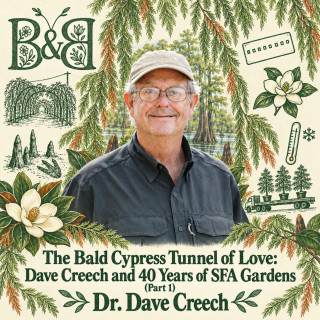
Ping Yu: (music) Hello, everyone.
Download transcript (.srt)
0:00
0:06
0:13
0:15
0:16
0:27
0:33
0:38
0:42
0:47
0:48
0:53
0:55
0:59
1:06
1:07
1:08
1:09
1:12
1:22
1:29
1:36
1:45
1:48
1:49
1:50
1:51
2:01
2:03
2:04
2:11
2:21
2:27
2:30
2:39
2:43
2:50
3:02
3:08
3:14
3:24
3:25
3:33
3:37
3:47
3:50
4:00
4:01
4:02
4:03
4:07
4:17
4:28
4:31
4:35
4:41
4:51
4:52
4:53
4:57
5:03
5:05
5:07
5:09
5:12
5:14
5:15
5:18
5:28
5:39
5:41
5:51
5:56
5:58
6:05
6:07
6:15
6:16
6:27
6:37
6:48
6:50
6:53
7:03
7:03
7:13
7:21
7:24
7:31
7:40
7:42
7:52
7:59
8:08
8:10
8:11
8:16
8:25
8:26
8:29
8:30
8:31
8:38
8:39
8:42
8:45
8:49
8:50
8:55
8:58
9:07
9:16
9:27
9:32
9:43
9:43
9:48
9:48
9:50
9:59
10:01
10:09
10:20
10:21
10:30
10:32
10:43
10:43
10:47
10:56
11:06
11:16
11:24
11:33
11:38
11:42
11:51
11:54
11:54
11:56
12:03
12:06
12:06
12:10
12:20
12:22
12:25
12:32
12:42
12:46
12:49
12:54
12:54
12:57
13:08
13:10
13:18
13:21
13:30
13:31
13:42
13:42
13:48
13:50
13:56
14:05
14:06
14:07
14:13
14:18
14:28
14:36
14:40
14:49
14:50
14:52
14:55
15:03
15:06
15:17
15:27
15:32
15:41
15:46
15:56
15:58
16:05
16:14
16:20
16:23
16:31
16:41
16:44
16:47
16:57
17:00
17:08
17:11
17:13
17:18
17:25
17:27
17:36
17:38
17:49
17:50
18:01
18:04
18:15
18:23
18:25
18:36
18:38
18:48
18:54
19:03
19:03
19:07
19:18
19:25
19:33
19:35
19:45
19:52
20:00
20:05
20:15
20:17
20:27
20:37
20:40
20:50
20:56
21:07
21:16
21:21
21:26
21:27
21:30
21:37
21:45
21:52
21:59
22:08
22:12
22:15
22:17
22:20
22:23
22:23
22:29
22:32
22:34
22:35
22:39
22:48
22:53
23:01
23:08
23:15
23:15
23:15
23:26
23:34
23:34
23:34
23:43
23:44
23:54
23:55
23:56
23:57
23:57
24:02
24:09
24:11
24:13
24:19
24:25
24:32
24:33
24:35
24:43
24:51
24:57
25:02
25:03
25:07
25:15
25:18
25:20
25:22
25:25
25:27
25:30
25:37
25:45
25:46
25:51
25:57
26:01
26:05
26:07
26:10
26:13
26:19
26:25
26:32
26:39
26:42
26:47
26:56
26:57
27:06
27:08
27:17
27:24
27:29
27:31
27:39
27:40
27:50
28:00
28:10
28:18
28:31
28:41
28:42
28:44
28:53
28:57
29:02
29:07
29:10
29:10
29:14
29:19
29:21
29:25
29:30
29:32
29:33
29:35
29:36
29:37
29:40
29:41
29:42
29:52
29:53
30:02
30:04
30:13
30:23
30:32
30:42
30:43
30:54
31:00
31:07
31:17
31:18
31:21
31:22
31:33
31:38
31:48
31:58
32:03
32:13
32:18
32:24
32:26
32:29
32:30
32:41
32:44
32:45
32:50
32:52
32:59
33:00
33:02
33:06
33:06
33:11
33:12
33:19
33:21
33:31
33:36
33:44
33:47
33:50
33:57
34:07
34:14
34:22
34:25
34:33
34:35
34:36
34:40
34:43
34:46
34:52
34:55
34:59
35:05
35:08
35:18
35:22
35:23
35:30
35:31
35:42
35:44
35:48
35:52
35:56
35:58
36:03
36:08
36:11
36:12
36:12
36:16
36:21
36:26
36:28
36:29
36:31
36:34
36:40
36:41
36:42
36:44
36:49
36:56
36:59
37:02
37:08
37:11
37:14
37:23
37:24
37:34
37:40
37:41
37:45
37:53
37:53
37:57
38:08
38:10
38:14
38:21
38:24
38:25
38:26
38:30
38:36
38:39
38:45
38:46
38:50
38:52
38:56
39:06
39:07
39:11
39:14
39:19
39:21
39:29
39:31
39:37
39:39
39:40
39:41
39:51
39:53
39:57
40:07
40:17
40:19
40:28
40:38
40:48
40:51
40:54
41:04
41:09
41:11
41:13
41:24
41:26
41:28
41:33
41:38
41:46
41:48
41:48
41:50
41:52
41:54
41:56
41:58
41:58
42:07
42:10
42:13
42:22
42:25
42:31
42:38
42:45
42:52
42:59
43:01
43:10
43:11
43:15
43:23
43:29
43:32
43:33
43:38
43:42
43:53
44:01
44:02
44:03
44:06
44:11
44:18
44:21
44:23
44:25
44:33
44:38
44:47
44:50
44:58
45:02
45:05
45:13
45:14
45:17
45:25
45:32
45:40
45:43
45:46
45:50
45:53
45:59
46:00
46:01
46:11
46:11
46:20
46:22
46:24
46:29
46:30
46:36
46:44
46:44
46:48
46:52
47:03
47:05
47:08
47:15
47:24
47:27
47:28
47:35
47:36
47:40
47:43
47:49
47:54
48:01
48:06
48:15
48:20
48:21
48:22
48:25
48:28
48:31
48:32
48:34
48:37
48:39
48:43
48:46
48:50
48:57
49:06
49:14
49:24
49:24
49:33
49:43
49:49
49:55
49:59
50:03
50:06
50:16
50:20
50:31
50:35
50:40
50:43
50:49
50:52
51:03
51:12
51:22
51:26
51:29
51:39
51:43
51:46
51:52
52:01
52:04
52:09
52:09
52:16
52:24
52:26
52:31
52:37
52:47
52:49
53:10
Ping Yu: Welcome to the Blooms and Beyond podcast, a podcast that uncovers plant history, culture, and management through the lens of science.
Ping Yu: I'm your host, Ping.
Ping Yu: How's everyone doing today?
Ping Yu: I'm doing great because I have one of the legend and well-known international horticulturalist here today with me, Dr. Dave Creech, to share his plant stories.
Ping Yu: I believe anyone who's interested in horticulture or gardening may have heard about him or his story.
Ping Yu: If not, don't worry, you're gonna hear all of those in today's episode.
Ping Yu: So I don't wanna steal any more thunder from our speaker today.
Ping Yu: Without further ado, here are the conversations with Dr. Creech, Dr. Dave Creech.
Ping Yu: I hope you enjoy.
Ping Yu: (music) Well, hello, Dr. Dave Creech.
Ping Yu: Welcome to the podcast.
Ping Yu: I know a lot of people have known you, including me, for a long time.
Ping Yu: But first off, can you tell our audience about a little bit about what you do and who you are and what you do?
Dave Creech: Thank you, Ping.
Dave Creech: Good to see you.
Dave Creech: Dave Creech.
Dave Creech: I'm at Stephen F. Austin State University.
Dave Creech: I've been here since, believe it or not, 1978, and I was a nine-month assigned horticulture teacher in the Department of Agriculture,
Dave Creech: and basically have had a wonderful career teaching from 1978 to 2007.
Dave Creech: I retired in 2007, and I was hired back to direct SFA Gardens, which is our true love here.
Dave Creech: It's 138 acres of campus property, and most of it is bottom land, but still, we've built a beautiful garden in the last 40 years.
Dave Creech: And Ping, this is our 40th anniversary.
Ping Yu: That's great.
Ping Yu: Congrats.
Ping Yu: The 40th.
Ping Yu: It's like I- Because I know you, I still remember the first time I saw you was when I was doing my PhD back in Texas A&M in 2017.
Ping Yu: It's crazy to think about how time flies.
Ping Yu: But- (Dave Creech: know)
Ping Yu: Yeah, but I do know that you've spent your whole, or your entire life in horticulture.
Ping Yu: Can you tell us about what first sparked you, your interest in plant, in horticulture, and how I know you grow up with plants.
Ping Yu: Can you tell us a little bit more in that route and share your horticulture (Dave Creech: Well,) story?
Dave Creech: Well, I have a little interesting background.
Dave Creech: When I was two years old and my sister was six months old, my dad was a vo-ag teacher, an agriculture teacher in Central Texas, and he got a phone
Dave Creech: call from Washington, and they had a job for him in India.
Dave Creech: And so when I was two years old, Mom and Dad and Sue and I, we off we go to India, and we spent five years there.
Dave Creech: We spent two years in East Pakistan, which is now Bangladesh, and we spent another three or four years in Burma, which is now Myanmar.
Dave Creech: And so I didn't come back to America until I was about 16 years old, believe it or not.
Dave Creech: And so I'd had, been raised as a child in Asia, so that had a lot to do with it.
Dave Creech: My father was an agronomist, and he always took me in the Jeep to the field plots with his students in Nagpur,
Dave Creech: India.
Dave Creech: And I really was just a little whippersnapper, but I was very mesmerized with agronomy, growing grains, really.
Dave Creech: My interest in horticulture didn't come until I was at Texas A&M.
Dave Creech: And so when we came back to America, I finished high school, and I started in agronomy, and I was interested in, what would you say, feeding the world,
Dave Creech: saving the world- (laughs) (Ping Yu: Yeah) saving the world with agronomy.
Dave Creech: And but then I had a professor at Texas A&M, his name was J.B. Storey, and I got to know him in a class, and I really
Dave Creech: liked him.
Dave Creech: And he was six foot four.
Ping Yu: Wow.
Dave Creech: And he was a very powerful personality.
Dave Creech: And when I was registering in my second semester of agronomy, he grabbed me in the main room there, it used to be the basketball coliseum,
Dave Creech: and we were holding little punch cards, and he took me around all the tables that were there, and he introduced me as the next great horticulturist.
Dave Creech: I wasn't a horticulturist, but he made me be one.
Dave Creech: And back then, we really respected the professors and were scared of them.
Dave Creech: So I just shifted over to horticulture because of him, to be honest with you.
Dave Creech: And he was a pecan person, and I met Hollis Bowen, and I worked in the fruit program at Texas A&M University and managed the orchard.
Dave Creech: But I wanted to buck out.
Dave Creech: I wanted to leave.
Dave Creech: Just too much education at A&M, you understand that.
Dave Creech: And when I got a bachelor's degree, I got a National Science Foundation fellowship that I could go anywhere with.
Dave Creech: And so I went to Colorado.
Dave Creech: Colorado State University was my master's.
Dave Creech: I thought, gosh, that'd be wonderful.
Dave Creech: The skiing is really good there.
Dave Creech: I'm gonna enjoy the lifestyle.
Dave Creech: And off we go to...
Dave Creech: I went off to Colorado to get my master's.
Dave Creech: But I missed Texas, I missed my parents, I missed my family land, and I came back for my PhD, and I got my PhD in fruit physiology in 1978.
Dave Creech: After that, I was hired by Texas A&M to be the very first extension specialist in fruit and vegetable for Overton,
Dave Creech: Texas.
Dave Creech: And I stayed there a few- I was only there a few months, and this job at SFA came open, Ping, and I suddenly saw the light
Dave Creech: and I decided that, oh my gosh, it's a nine-month contract.
Dave Creech: Well, I had a peach orchard.
Dave Creech: I had a 35-acre peach orchard that I had built since I was at Texas A&M, my PhD.
Dave Creech: I'd bought some land.
Dave Creech: Back then the land was $300 an acre, it was very cheap, and I started a peach orchard 'cause I love peaches.
Dave Creech: I still do.
Dave Creech: And essentially, I was a 12-month contract with A&M, and here's a job that's nine months and I'm off in the summer, perfect for peaches.
Dave Creech: And so (laughs) I jumped ship from the center of the universe, it's Texas A&M, you know that, you were at A&M, and basically it's the center of the universe,
Dave Creech: and I left the Mecca on the Brazos, I left it to go to a very small university near the Louisiana border, and I've been here for 47
Dave Creech: years.
Dave Creech: And it's been an amazing ride and I've had a wonderful career.
Dave Creech: And there's a lot of advantages that people don't realize by going to a small university compared to one that's large, and a lot of it has to do with
Dave Creech: scrutiny.
Dave Creech: I've had a lot of freedom to go and do and be without filling out another form, and (laughs) I know you understand.
Dave Creech: And I started doing international work in the early 1980s, and I went four, five times to Guatemala.
Dave Creech: I did some work in Mexico.
Dave Creech: I did Pakistan four or five times, to Pakistan, Northwest Frontier Province mainly.
Dave Creech: And then I started in on China in 1994, and I went 27 times to China.
Dave Creech: Done Chile, done New Zealand.
Dave Creech: So I've had this wonderful experience that I probably couldn't have pulled off at a larger university just 'cause of the paperwork, and this allowed me
Dave Creech: to go, and I turned in a travel request maybe a week ahead of time and I was gone.
Dave Creech: But I have never regretted for a moment having come to a smaller university because, I mean, I love East Texas, I love the piney woods, and College Station is
Dave Creech: not a horticultural paradise.
Dave Creech: Did you know that?
Ping Yu: No, not really. No, it's hard to grow things, hot, and it's super dry during summer.
Ping Yu: And so when you're, like, talking about, like, the nine months at SFA, and I was like, yeah, that's another three months in summer in
Ping Yu: College Station.
Ping Yu: It's just miserable.
Ping Yu: So that's a good point.
Dave Creech: (laughs) Yeah.
Dave Creech: And also the water quality (Ping Yu: Mm) is terrible for growing a lot of plants in College Station, and the soil has a high pH.
Ping Yu: Yeah.
Dave Creech: And College Station is where a lot of plants go to die.
Dave Creech: (laughs) It's really a tough environment, tough environment.
Dave Creech: We used to try to grow blueberries, believe it or not, which are acid-loving.
Dave Creech: It's not gonna happen.
Dave Creech: But I still love Texas A&M, and I have a lot of good friends at A&M and across the South.
Dave Creech: And I've branched out into ornamentals.
Dave Creech: So that story was always interesting, 'cause I was fruit and I was hired for fruit and vegetables, but I woke up in the mid-1980s and we had a savings
Dave Creech: and loan bust, and we had a cattle bust, and the economics were bad, and we had no students interested in fruit and vegetable.
Dave Creech: Everybody was- Ping Yu: No, now it's the- (Dave Creech: Every-) opposite right now because it works, so in ornamental, one, people don't get money to do anything,
Ping Yu: and two, people don't think it's essential compared to fruit and veggie.
Ping Yu: At least it's a current condition or situation where whenever people talk about crops, they talk about the food, the vegetables, small fruit,
Ping Yu: and all that.
Ping Yu: Nothing. (Dave Creech: Right) Like, for ornamentals, they were like, "Oh, just flowers."
Ping Yu: They can...
Ping Yu: I don't...
Ping Yu: Actually, if the economy is not great, they were like, "I can sacrifice, I can live a life without ornamentals, but I cannot live a life
Ping Yu: without food."
Ping Yu: So that's the situation where (Dave Creech: That's correct) the environment, that current generation where people were thinking.
Ping Yu: And that's actually one of the reasons why I wanted to have this podcast, again, to raise awareness, and hopefully people will appreciate the ornamental
Ping Yu: a little bit more.
Ping Yu: In horticulture, it's not just fruit and veggie, but also ornamental. They have to, we have to have both (Dave Creech: Yeah, think so) to have a good,
Ping Yu: to have a good life in general.
Dave Creech: And actually, the job market, in our situation, I'm sure it's true at A&M, at UGA, is, it's pretty darn good in the ornamentals, like retail nurseries, wholesale nurseries,
Dave Creech: landscape.
Dave Creech: I got a lot of former students in the landscape business.
Dave Creech: And that's a great joy, whereas those folks that headed off into fruit and vegetable, there's not that many- (Ping Yu: We-) And so it's- Ping Yu: I don't know what is the
Ping Yu: data or status in Texas, but in Georgia, our ornamental is the top four or five, depending on how you calculate with
Ping Yu: the gate value, and then the employment, the amount of job opportunities that they created, so we are the top five or top four commodity groups.
Ping Yu: However, we are not well valued as much as we should in terms of them.
Dave Creech: That's exactly- You make a very good point, and I say this all the time, 'cause I'm in a department of agriculture, and poultry rules.
Dave Creech: Poultry, chickens rule, and basically cattle rule.
Dave Creech: Now, we're bigger than poultry, and we're bigger than timber.
Dave Creech: We have a great college (Ping Yu: Yeah) of forestry, but if you look at the gate value of ornamental horticulture, the retail nurseries, wholesale nurseries, and the
Dave Creech: landscape associated, it's four or five billion dollars.
Ping Yu: Yeah.
Dave Creech: It's pretty, pretty impressive.
Dave Creech: A lot of people don't ever think, a lot of kids, I think a lot of students, young high school kids, are not aware that there's this wonderful career they can
Dave Creech: have in (Ping Yu: Yeah) horticulture, the ornamental field.
Ping Yu: Yeah.
Ping Yu: Yeah.
Ping Yu: (music) So with your background starting from the fruit and vege and all the way, now you are doing a wide range of crop species, let's put it that
Ping Yu: way.
Ping Yu: Among all those plants, what is your favorite?
Dave Creech: It has to be bald cypress and the cultivars of bald cypress and some of the hybrids.
Dave Creech: And we probably have the best collection of Taxodium, and there's several reasons for it, is that when you plant a bald cypress, you
Dave Creech: can get a tree that can last 3,000 years.
Dave Creech: And it's- And people say, "Well, how big will it get?"
Dave Creech: And I usually say, "Well, in 1,000 years it'll own your whole lot, your whole home lot."
Dave Creech: Yeah.
Dave Creech: Basically, it's gonna be a big tree.
Dave Creech: And the fact that it is 65, 90 million, Taxodium dubium goes back 90 million years, and it has a genome four times
Dave Creech: as big as a human.
Dave Creech: It carries the gene. It's a survivor, and it was once all over the world, and now it's restricted to North America and Mexico primarily.
Dave Creech: Well, that's it, North America and Mexico.
Dave Creech: And so we're at the confluence here in East Texas of the bald cypress, pond cypress, and then you have to go west and you get the Montezuma cypress genetics
Dave Creech: of Mexico.
Dave Creech: And I've always enjoyed collecting bald cypress cultivars, and we have 136 cultivars and selections in a collection here, and they're all planted in a perfect
Dave Creech: location.
Dave Creech: I mean, they're right on a creek, Lanana Creek, and it was a degraded creek.
Dave Creech: It was basically brush-axed on the side.
Dave Creech: There was no trees there, and they'd mow the edges of the banks, and that was about it.
Dave Creech: And so we had a perfect location, if we could keep them alive for two to three years to get their roots to get down into the creek, which they've
Dave Creech: done.
Dave Creech: And it's a swift stream.
Dave Creech: It floods every now and then, but that's what bald cypress can prosper in.
Dave Creech: And we have managed to increase our collections greatly.
Dave Creech: My work in Nanjing, my work here in the '80s and '90s led to an email from Professor Yin Yunlong at Nanjing
Dave Creech: Botanical Garden, and I had never met him, heard of him, or anything, and he had found me on the web.
Dave Creech: And basically he asked if would I like to go to China.
Dave Creech: Well, I don't just- I gotta get some verification, so I went over to a Chinese colleague of mine, Dr. Shiyou Li, and I said, "Is this guy real?
Dave Creech: Is he a real person?"
Dave Creech: I thought it was a bot or something.
Dave Creech: And he said, "No, no, no," he checked him out and he said, "Yes, you should go."
Dave Creech: And so I went to China in 1994, and then I've been going pretty much ever since, until COVID.
Dave Creech: I haven't been back to China since COVID.
Dave Creech: And to be candid, there's a change in the political climate, which has impacted my trips to China, and their visits to the USA.
Dave Creech: But I made so many fast friends, brought Chinese graduate students here, had visitors from China, took people to China from
Dave Creech: different universities, and kind of fell in love with the culture, to be honest with you, Ping.
Dave Creech: I fell in love with the food, (laughs) fell in love with the research, and just, I really fell in love with a lot of the amazing amount of
Dave Creech: work that's being done in blueberries, all kinds of crops.
Dave Creech: That, as a breeder, it's really hard to look at a field of 100,000 seedlings and know that you're working towards maybe selecting a dozen, and
Dave Creech: it's kind of crazy actually in a lot of ways.
Dave Creech: The scale of their work in bald cypress was stunning to me. Just, I couldn't believe it.
Dave Creech: And we've ended up garnering through USDA Beltsville quarantine 15 different clones of bald cypress.
Dave Creech: These are rooted cuttings, and there's one out of the whole mix that ended up being disease resistant.
Dave Creech: It doesn't get fall blight.
Dave Creech: It's- Cercosporidium is a problem on our natives, and it's pretty immune, and so it wants to be kind of evergreen.
Dave Creech: It's half bald and half Montezuma, and the Chinese deserve all the credit they can for recognizing the combination of those genetics.
Dave Creech: And so we have taken that clone.
Dave Creech: My friends there let me name it.
Dave Creech: It's called 'LaNana', and it's in the trade now, and I just found out from Twinwood Nursery that we have 2,000 of them going into
Dave Creech: Memorial Park in Houston.
Dave Creech: And they're gonna be like huge soldiers in a row to recognize the death of the...
Dave Creech: war dead of World War II.
Dave Creech: And it's a perfect plant because it's a clone.
Dave Creech: For your audience, you know, if you plant bald cypress seedlings, they're all different.
Dave Creech: They're all like you and I, and they all grow at different rates, and they're all gonna look different when they get to be teenagers, and they're all gonna be
Dave Creech: different when they get old.
Dave Creech: But if you use a clone, they are cut out of a cookie cutter (laughs) and they are perfect, and they fit that kind of design if you're doing highways
Dave Creech: or railroad tracks.
Dave Creech: Coastal Windbreak Forest Project, they use a lot of these clones, and nothing outgrows each other, and there really ends up being these beautiful stands of long-lived
Dave Creech: carbon sequestration.
Dave Creech: There's all kinds of environmental reasons for more trees, and that's one of the mantras we have here, is how do we get a psyche
Dave Creech: in the country where we plant more trees?
Dave Creech: I think the audience might appreciate when I first brought Chinese friends here in the 1990s, that the drive from the Houston Airport to
Dave Creech: Nacogdoches is Highway 59, and there's a big median there, and this median is mowed.
Dave Creech: And my Chinese friends couldn't understand it.
Dave Creech: They didn't understand why there weren't trees in the median, and they didn't understand why the whole side of the road wasn't trees, 'cause that's this
Dave Creech: approach that they take in China.
Dave Creech: On the big G highways, there are trees going down the sides, so there's a buffer on the side, and there's a wonderful swath of trees down the middle.
Dave Creech: And you can go as fast as you can go, in some cases, on the big G3s.
Dave Creech: And I tried to explain to them that we don't do that in America, 'cause when we have an accident, we want to glide gently to a stop in a
Dave Creech: prairie.
Dave Creech: (laughs) We don't wanna have trees that you crash into.
Dave Creech: And anyway, it opened my eyes in terms of how reforestation can work, and how large an industry it is in China,
Dave Creech: and how many millions of trees are going in the ground, and how people are being moved into beautiful homes in the valleys.
Dave Creech: And the mountains are being allowed to go back to vegetation, and go back to different uses, ecological forestry zones.
Dave Creech: And there isn't any doubt about it.
Dave Creech: I've been so lucky to watch China go from many villages and hamlets to skyscrapers, high-rise apartments everywhere.
Ping Yu: I know, but- It's extremely- Sometimes, like, I grew up in a small village, but now the village is gone, and I...
Ping Yu: Sometimes I feel like I don't know if it's a good thing or a bad thing in terms of the economic growth, and then the people are living
Ping Yu: a better life (Dave Creech: Very good question) people are living a better life in terms of the, like, economic perspective.
Ping Yu: However, like, the environment that people are living, and people are, like, everywhere, it's kind of like similar to, I guess, anywhere else in the
Ping Yu: whole world.
Ping Yu: If they wanted to develop a residential property, they just do, clean cut all those plants or all those trees and then develop the, or build in
Ping Yu: the high buildings and all that, but then they kind of lost the environmental, or the ecosystem in that region.
Ping Yu: And so I don't- Dave Creech: It's true.
Dave Creech: I have a little story to tell you, 'cause Professor Yin is my Chinese brother in a lot of ways, and he's just retired, and his
Dave Creech: group broke the Taxodium genome, and he would call me in the middle of the night, you know, celebrating.
Dave Creech: And basically, his father, his mother had passed, and we were in northern Jiangsu, and he said, "I'd like you to meet my father," and I said, "Yes."
Dave Creech: So he took me to the village that he was raised in as a child, which was turned into agroforestry, fish farms.
Dave Creech: It was basically a new industrial dis- And they had ground up the buildings.
Dave Creech: You could- And made roads out of them, and you could see little pieces of plate.
Dave Creech: I saw a fork.
Dave Creech: Every- It was amazing before they cover it all up.
Dave Creech: And then we went to the- They had moved the entire village.
Dave Creech: Everybody wanted to move, and they moved them into seven or eight high-rise apartments with a wonderful plaza in between all of them.
Dave Creech: So the entire village moved, and his father was on the fourth or fifth floor.
Dave Creech: If you're old, you get a lower floor than you do. (laughs) The youngsters were on the high floors.
Dave Creech: And his father had this wonderful little apartment, had a big screen TV that Yin had bought him, had a nice kitchen, had a nice bathroom, and two small bedrooms.
Dave Creech: And I asked him, I said, "How long were you in the village?"
Dave Creech: And he was like, "20 generations." Ping,
Dave Creech: "20 generations."
Dave Creech: We have no history compared to that.
Dave Creech: And I couldn't- So he didn't speak English.
Dave Creech: Yin does.
Dave Creech: I said, "Yin, ask your dad, was he angry about making this move?"
Dave Creech: (laughs) And his dad was shocked that I said that.
Dave Creech: He said, "Look at where I'm living.
Dave Creech: This is beautiful.
Dave Creech: I have heat and cool, and all of my friends are here."
Dave Creech: And he goes down to the big plaza between all the high-rise apartments, and he knows all his friends, and he's playing mahjong, he's playing his dominoes.
Dave Creech: (laughs) And the young people are off hip-hopping and dancing, and there's flag dancing and everything.
Dave Creech: And I thought, "Well, you know, this is amazing," because in America, we are really, we wanna protect our land.
Dave Creech: I mean, it's- It was just kind of a shock to me in a way, and I was very, very impressed with his attitude.
Dave Creech: It's more of a collective mentality than the independent free spirit that we oftentimes associated with Texans.
Ping Yu: Mm.
Ping Yu: Yeah.
Ping Yu: (laughs) Back to the bald cypress, 'cause I remember I visited the SFA Garden when I was
Ping Yu: a PhD student at Texas A&M with one of the classes that I was taking with Dr. Arnold.
Dave Creech: Yes.
Ping Yu: Arnold.
Ping Yu: So we were able to see the weeping bald cypress that you guys have, that created the big arch in there.
Ping Yu: I was amazed.
Ping Yu: And can you tell us a little bit about the weeping bald cypress, and does those coming from the clones that you brought, were- Can
Ping Yu: you tell us a little bit about that?
Dave Creech: No.
Dave Creech: Not exactly.
Dave Creech: Yeah.
Dave Creech: This tree was discovered, believe it or not, in New Zealand.
Dave Creech: And then a friend of mine in the northwest brought it in, and he was gonna- I thought it was the best thing that ever happened.
Dave Creech: It's a very- It's called Cascade Falls.
Dave Creech: It's a very strong weeper.
Dave Creech: So anyway, I thought it would be extremely popular.
Dave Creech: I thought it'd take over every Home Depot, Walmart, Lowe's, because I thought this was the ultimate tree.
Dave Creech: So anyway, I booked in 200 liners, grafted liners, and he was charging $5 royalty for the patent.
Dave Creech: It was patented.
Dave Creech: It's off of patent now.
Dave Creech: And so I had 200 of them, and I put some at Tyler Botanical Garden, and then I had a lot of them here, and we just manipulate them.
Dave Creech: And then I talked a friend of mine, Doug Arnold at Trees USA, former student, and he grew 500 of them.
Dave Creech: And he grew them all the way up into 30s on a nine-foot bamboo pole, and they were beautiful, and he couldn't sell them.
Dave Creech: He sold half of them, 500, and he ended up with 250.
Dave Creech: He cut them off.
Dave Creech: He put them in a 45 or a 60-gallon trying to get them a little bigger.
Dave Creech: Still did not have the receptivity of it, and he called me and he said, "Dave, I can't move this bald cypress.
Dave Creech: I like it, but it's just not that popular."
Dave Creech: And he says, "Do you want these?"
Dave Creech: And I said, "Of course I want these."
Dave Creech: And he sent several tractor trailers.
Dave Creech: They were big 60-gallons.
Dave Creech: My staff was against it.
Dave Creech: My staff are always- You know, we're busy, and so- But we got these beautiful weeping bald cypresses, 12 foot tall.
Dave Creech: So I had plenty of them to work with, and we put some different locations on the campus, and then I sold some, got our money back for the
Dave Creech: tractor trailer.
Dave Creech: He made me pay for the tractor trailer cost, but I got the trees for free.
Dave Creech: And then we have the connection between Ruby Mize and the Mast Arboretum.
Dave Creech: I said, "Well, this will be a perfect archway," so we planted them.
Dave Creech: This is a tree that the new growth wants to go straight down.
Dave Creech: It doesn't wanna go anywhere, or sideways.
Dave Creech: It'll grow on the ground like a snake.
Dave Creech: It is gravitationally challenged.
Dave Creech: And so I built bows out of steel, pipe really, and then we just tied it to it.
Dave Creech: We left those bows there for two or three years, and in two or three years it turns to wood, and it's firm.
Dave Creech: And so we've been, we're gonna have this bald cypress tunnel, and it's really a very unique feature, picture.
Dave Creech: If you Google Taxodium distichum 'Cascade Falls', we're one of the top searches.
Dave Creech: Put SFA in there and you can find it.
Dave Creech: And it's become a place where people propose to be married.
Dave Creech: This is where people go, kids at SFA go and have weddings, and it's a love tunnel, Ping.
Dave Creech: It really is.
Dave Creech: It's really a beautiful thing, and it's ended up being, well, particularly in the summer, it's shade, and it's nice, and I just think it's one of the best features
Dave Creech: I've ever seen in any g- I really love it a lot.
Dave Creech: It's probably about 100 and something feet long, and it's very, very easy to maintain, and I have it under a high voltage line.
Dave Creech: I got permission to do anything I want under a high voltage line, as long as it doesn't get above 15 feet, and that's what this is.
Dave Creech: So we've got us a bald cypress tunnel of love at SFA Gardens.
Dave Creech: It's quite popular.
Dave Creech: There's another one that Don Shadow introduced, it's called Falling Waters, but it's not as weeping, and I don't like- It kinda wants to shoot up every now and
Dave Creech: then.
Dave Creech: And so, as far as a utility tree, I've always had this dream that we would plant our highways and our byways with trees, but that's just a
Dave Creech: project that I've never been able to get off the ground. And even in Nacogdoches, in College Station, and at Athens, it's really hard to get trees
Dave Creech: going up and down, allées of trees, even though when you have the space. And I've been working on Nacogdoches a long time, and we haven't been able to
Dave Creech: sell the idea that everybody needs to put a big tree in front of their business, and we need to get our utilities underground.
Dave Creech: And everybody wants to plant a crape myrtle, which is okay, but, you know, there's a lot of crape myrtles out there, and- Ping Yu: Agreed.
Ping Yu: Back to the bald cypress, how long does it take from the original bald cypress become the love tunnel
Ping Yu: in SFA?
Ping Yu: How long does it take to form the effect?
Dave Creech: It's in full sun, and so it was quick, within a few years, but it's the scale, the side branches, everything, so it makes it dense.
Dave Creech: But I'd say in three or four years we had- Ping Yu: Three, three to four years?
Dave Creech: Bald cypress, the bald cypress. Yeah, it's all- It grows very fast.
Dave Creech: All bald cypress is faster, but it doesn't really like to grow in the spring.
Dave Creech: It's really waiting for the summer heat.
Ping Yu: Mm.
Dave Creech: And when we get the summer heat, this thing will really kick into high gear.
Dave Creech: If you have water in the summer, you can get four to six feet in a year.
Dave Creech: And that's a historical thing.
Dave Creech: And no matter what you do, it's hard to get it to grow in March, April, or May.
Dave Creech: It'll grow, but it just really gains speed when it gets up into (Ping Yu: Mm-hmm) the heat.
Dave Creech: Remember, this is a plant that was here with the dinosaurs.
Ping Yu: Wow.
Ping Yu: With the dinosaurs?
Dave Creech: In- Yeah.
Dave Creech: Yes.
Dave Creech: And the Taxodium dubium, and it was once all over the world.
Dave Creech: It was in China.
Ping Yu: I know, yeah.
Dave Creech: It was all over the world, and it's restricted now, and it's got this long genetic history around the world, and it carries
Dave Creech: the g- all kinds of genes.
Dave Creech: You know, they- When all of the ice melted, this thing was- It's found in the Gulf of Mexico, 90 feet of water.
Dave Creech: You know, there was one off of Alabama.
Dave Creech: They found standing (Ping Yu: Mm-hmm) trees that go back the intense time when things were Ice Age, really.
Dave Creech: Pulled the water away, when the water was- You know, on beachfront property here, if all the ice melts in the Antarctica and in the Arctic, if we lose
Dave Creech: the polar ice caps, I'm in Nacogdoches, Texas, I live on Swift Hill, I am beachfront property if we have that kind of climate change.
Dave Creech: And so taxodium has endured a huge amount of stressors over tens of thousands of years, so it carries the genes
Dave Creech: of hardiness.
Dave Creech: I think that's most interesting to me, is that when we first brought in Montezuma cypress, which is (Ping Yu: Mm-hmm) in Mexico and South Texas, and some co-mingling
Dave Creech: in the Central Texas, I believe, Frio River, et cetera, that I didn't think they'd live.
Dave Creech: I- There- 'Cause when you go to Mexico, they're not experiencing the kind of cold we get up here (Ping Yu: Not at all) in Texas.
Dave Creech: But in 1983, I had a big Mon- not a big Montezuma, had a good young Montezuma, and it was unimpacted, and it was coming out of an area that
Dave Creech: rarely freezes.
Dave Creech: And so that was kind of an eye-opener for a lot of us.
Dave Creech: We really didn't know much.
Dave Creech: We just always thought Montezuma cypress was probably tropical, but it's not, and I've got them in Oklahoma and Ar- It's not as hardy as some of the bald cypress,
Dave Creech: but it is quite, quite a bit more hardy than we ever anticipated.
Dave Creech: And the Chinese were the very first to come up with the concept of crossing the bald cypress with the Montezuma cypress to get rid of the knees.
Dave Creech: So the hy- I like knees, but mostly, Neil Sperry's a friend of mine, and I know he hates knees, and a lot of people hate knees
Dave Creech: in their landscape, and landscapers hate them 'cause it tears up the lawn mowers.
Dave Creech: So basically, the knees are pneumatophores, and a lot of people don't know what the heck they're for, and there's a lot of debate about them.
Dave Creech: And you can cut them off and it doesn't impact growth, so what's the point of them?
Dave Creech: And so there's been a lot of debate about reasons why a knee is there.
Dave Creech: I have a theory.
Dave Creech: Have I told you my theory on the knees?
Dave Creech: I have no proof.
Dave Creech: So taxodium at one time, if you go back 60, 70, 80 million years ago, there were dinosaurs, and the dinosaurs would come up trying to eat,
Dave Creech: eat the bald cypress, eat everything in sight.
Dave Creech: They were huge.
Dave Creech: And at that time, the knees were actually very pointed.
Dave Creech: They were like a spear.
Dave Creech: And so when the dinosaur stepped in there, it step on his big foot, and he- It protected the- (laughs) I made this up.
Dave Creech: This is just a theory.
Dave Creech: (laughs) This is not science.
Ping Yu: So, to protect them from being eaten by dinosaurs?
Dave Creech: Yes.
Dave Creech: That's my theory, and I've said this in meetings, and everybody walks away shaking their head.
Dave Creech: (laughs) I even tell people- (Ping Yu: know)
Dave Creech: You never know. They are thought to- There's one interesting thing, and it was work done at the University of Florida, and a lot of people don't know
Dave Creech: this, is that the needles are feathered.
Dave Creech: And Jeff Gillum was, I loved his work at the University of Florida, and he had two 427 Chevrolet engines hooked together in sequence, and he had a fan,
Dave Creech: and he could put a 180-mile-an-hour hurricane on a tree.
Dave Creech: And a bald cypress, and he had this huge concrete box, and the thing with it, and then he'd put the trees in there.
Dave Creech: Like an oak tree, it'll snap off.
Dave Creech: Like an elm, it'll snap off.
Dave Creech: That bald cypress will just lean over, and it'll just feather in 180 miles, but it won't break.
Dave Creech: So it's a plant that evolved along the coast, and it ends up having all of this ability to deal with (Ping Yu: Mm) the hurricanes that come.
Dave Creech: Some people think that the pneumatophores, the knees, are also- They're the moths in Florida.
Dave Creech: And so you'll have a colony, and the knees collect debris and washing, et cetera, and that builds land.
Dave Creech: And a lot of those things become knolls, they become berms.
Dave Creech: They- And the bald cypress is kind of building its own soil, it's catching all this trash, and- Get it?
Dave Creech: This is a theory.
Dave Creech: I don't know.
Dave Creech: I do know this, that if you cut them off, they've done the work, the tree's unaffected.
Dave Creech: It doesn't slow, doesn't kill the tree, doesn't slow the tree down.
Dave Creech: It's just- So we're not exactly sure.
Dave Creech: All I know is that landscapers hate them, hate the knees, 'cause they come up in the yard.
Dave Creech: If there's any moisture around, they do come up.
Dave Creech: So the Chinese have- And you don't really need that along a highway either.
Dave Creech: And so the Chinese bred the Nanjing back in the '60s, was some of the first breeding efforts.
Dave Creech: And anyway, it's fascinating.
Ping Yu: (music) Is grafting the main production method for bald cypress?
Dave Creech: In the United States of America, 99% are seedlings.
Ping Yu: Oh, gosh.
Dave Creech: And we have not embraced cultivars, except in certain horticultural circles.
Dave Creech: It's not a...
Dave Creech: It's a tiny percent, whereas in China and other places it's been basically going with cultivars that are reproduced by grafting
Dave Creech: or reproduced by cuttings.
Dave Creech: What's interesting about the cuttings is that it needs to be a young clone.
Dave Creech: If it's a thousand-year-old bald cypress, you can't root it.
Dave Creech: It's just, it's basically- It lost its ability as juvenile.
Dave Creech: So that's a problem.
Dave Creech: So the Chinese breed them, and then they make selections in a field.
Dave Creech: They grow the seedlings out, and they let them sprawl the first year, and then they...
Dave Creech: I was in a field with close to a million trees.
Dave Creech: I was shocked.
Dave Creech: Babies.
Dave Creech: They're all babies, and they cut them off after the first year.
Dave Creech: They grow them in the field, they just sprawl around, because they're cutting grown.
Dave Creech: And when they're cutting grown, a lot of times they'll sprawl, and you don't know what's gonna happen.
Dave Creech: They're plagiotropic growth.
Dave Creech: They think they're a branch.
Dave Creech: Topophysis.
Dave Creech: Your students probably know what topophysis is.
Dave Creech: It's basically if you take a cutting off a side branch, takes it a while to realize it needs to be a tree.
Dave Creech: It thinks it's a branch.
Dave Creech: Plagiotropic growth.
Dave Creech: Big problem with bald cypress.
Dave Creech: And people don't understand it, and so you end up not training it.
Dave Creech: But you can come in after one year in a one-gallon can and cut it off about this high above the ground, and it'll pop you a good leader.
Dave Creech: That tree is trainable that way.
Dave Creech: And that's what China taught me.
Dave Creech: It took me a while to understand that concept, exactly like, "Why do you have this field of sprawled trees?"
Dave Creech: But you come back the next year, and boy, they will really grow.
Dave Creech: They'll grow six feet the second year.
Ping Yu: And I do remember where I do kind of observe some of the differences in terms of the plant and use in landscape, and then even just in
Ping Yu: general.
Ping Yu: 'Cause I have seen a lot of taxodium when I grow up as a kid, 'cause I live in southwest- southeastern China.
Ping Yu: We can see those taxodium species everywhere, and they give...
Ping Yu: A lot of them, I...
Ping Yu: We love, at least I love them, 'cause they have those little tiny...
Ping Yu: Those leaves can give you a softness in the landscape, or a feature, but here we don't see a whole lot.
Ping Yu: Even for the...
Ping Yu: Another one would be the weeping plants.
Ping Yu: I don't know why Chinese people love weeping plants, at least from my observation, they love that, but here in the States I don't see a whole lot,
Ping Yu: at least not in the landscape.
Ping Yu: For instance, we can see the weeping willow on the...
Ping Yu: Everywhere you go, especially parks, along the lakes and along the rivers, you can see them everywhere.
Ping Yu: But here I really don't see that.
Dave Creech: That's a good question.
Dave Creech: I don't know.
Dave Creech: It's like, one of my favorite plants is sweet olive.
Dave Creech: Like, why is sweet olive not popular in America?
Dave Creech: And it's one of the top 10 traditional flowers.
Dave Creech: There's festivals basically to, you know, celebrate the season.
Dave Creech: And there's...
Dave Creech: I was at a sweet olive conference, and there was 169 varieties, and I couldn't believe it.
Dave Creech: That was just out of control.
Dave Creech: I mean, it was really amazing to me, the diversity of sweet olives.
Dave Creech: And here I'd say it's a minor (Ping Yu: Mm-hmm) minor crop, a minor ornamental, and yet it has rather impressive fragrance, and it's so durable and can
Dave Creech: live 2,000 years.
Dave Creech: And, you know, it's just, it's really kind of a (Ping Yu: Yeah) beautiful thing.
Dave Creech: So it's just a matter of where you grew up.
Dave Creech: And most of the landscapes, if you look at the Gulf South, a lot of them are Asian.
Dave Creech: I mean, let's face it, crape myrtle kind of rules.
Dave Creech: $100-plus million business, and now we have an insect that followed it, and it's now here from China, crape myrtle bark scale.
Dave Creech: Thank you for that.
Dave Creech: And, you know, I'm in the fruit business, and so when I think of fruit, a lot of it's Asian.
Dave Creech: A lot of people don't appreciate that.
Dave Creech: If you look at...
Dave Creech: If we get rid of...
Dave Creech: If we only go with American fruits, blueberries, and there are some plums here and there, but we're out of luck, and no cabbage, no- A lot of vegetables are
Dave Creech: Chinese or Asian.
Dave Creech: And we're not talking about banning broccoli.
Dave Creech: And we need to appreciate that the plant will have been placed that is not invasive. (Ping Yu: Mm-hmm) I don't like invasive natives, I don't like invasive exotics. Ping Yu: I think one
Ping Yu: of the reasons- So that's just- In terms of the plant species or the popularity of those, I think a lot of those are related to the culture that, like
Ping Yu: you said, the way- where you grow up with.
Ping Yu: And then if you grow up with the plant, and that simple plant can, wherever you go, can remind you home.
Ping Yu: And then sometimes the plant can also symbolize a certain culture, that I guess that's one of the, my take on from some of the
Ping Yu: Chinese love for willow, for willow trees, and even for osmanthus, because it's a smell, it's a feature, it's
Ping Yu: a plant that will remind you of home.
Ping Yu: That will remind you with your childhood.
Ping Yu: And all those things has something to do with the plant in and of itself, and people, if they are not close to that culture associated with the plant, they
Ping Yu: don't have the attachment or they don't have the bond with the plant, so people are like, "Okay, yeah, it's just a tree.
Ping Yu: I don't really care about it."
Dave Creech: No, there's even family trees.
Dave Creech: I worked with a family, Yongfeng Nursery, in that they bought a sweet olive (Ping Yu: Mm-hmm) for their family tree at their place, and
Dave Creech: Ping, it was huge.
Dave Creech: It was a big tree.
Dave Creech: It was tens of thousands of dollars, and the rich people in China will spend a fortune (Ping Yu: Yeah)
Dave Creech: (Ping Yu: Yeah, I know) some of these, $100,000, and they don't even blink.
Dave Creech: It was kind of shocking to me to see some of the (Ping Yu: Yeah) nurseries that specialized in trees coming out of the forest that are 1,000 years old, and they'll
Dave Creech: dig them out and they'll make them live.
Ping Yu: Mm-hmm.
Dave Creech: They'll make them live.
Dave Creech: I've even seen them with transfusions on them.
Dave Creech: You've seen them- (Ping Yu: Yeah, I know)
Dave Creech: know where they put (Ping Yu: Yeah) bottles up and they bleed.
Ping Yu: It is crazy.
Ping Yu: Yeah.
Dave Creech: They were pre- Ping Yu: (music) So, Tom, can you mention a little bit about the FSA Garden?
Ping Yu: Can you tell us a little bit more about it and how...
Ping Yu: 'Cause I've been there, it's gorgeous.
Ping Yu: It's gorgeous, and you guys have a lot of good, cool, exotic plants, collections over the years, and you may brought them from other countries.
Ping Yu: I would say a majority of them are from China.
Ping Yu: I don't know if that's right, but can you tell us a little bit about that, Japanese maple? Yeah.
Dave Creech: Well, we started in 1985, really a little bit earlier than that, but we say 1985.
Dave Creech: And we had a little quarter-acre patch, just a quarter of, half quarter of a football field, and we started growing.
Dave Creech: And then in the two years, we had taken around the agriculture building and the greenhouse facilities, and I was in...
Dave Creech: I like to grow things, and so there was some land next to me in the bottom, and I wanted it, and athletics wanted it.
Dave Creech: (laughs) And I got it.
Dave Creech: And it was an administration, which is unbelievable. Ping Yu: (laughs) It's- So we had- Like, you cannot compete with athletics, never.
Dave Creech: Anyway, it's floodplain.
Dave Creech: It was floodplain, and it was all privet.
Dave Creech: It was terrible, and my students and I got out there, and I kept telling them that this is gonna be one of the great gardens in the South.
Dave Creech: We're gonna have all this genetic diversity, and we're just gonna grow and grow and grow.
Dave Creech: And they just kind of winked at each other and thought I was crazy.
Dave Creech: They've all told me this now.
Dave Creech: They're all- A lot of them have retired, some of those original students are retiring.
Dave Creech: But they all remember that I was convinced that this was gonna be a great garden.
Dave Creech: As you already know, at universities, gardens can come and go, and they can be here, and then the next thing you know, it's a parking lot.
Dave Creech: But I was convinced that we had the key to success, and we headed out the door, and I was very lucky to have a lot of friends in the
Dave Creech: nursery business.
Dave Creech: We were so pathetic.
Dave Creech: I was not an ornamental horticulturist, Ping.
Dave Creech: I was a fruit and vegetable guy, but my students were all ornamental horticulturists.
Dave Creech: I really wanted, because of fruit and vegetables, I wanted to put the trees in rows so I could get a tractor up and...
Dave Creech: And they made fun of me, my students did.
Dave Creech: And so I said, "Well, let's design a garden," and they designed one.
Dave Creech: I just wanted to grow the darn things.
Dave Creech: And basically, we have good horticulture for two years, and we take care of the water for two or three years.
Dave Creech: That's our goal, is after that, you better learn how to live in East Texas.
Dave Creech: And that's, I think that's a mantra that we've had for the fir- Keep the weeds away, have some mulch around the plant, have a fairly decent planting hole, and
Dave Creech: take care of the water for the first two years.
Dave Creech: And in most cases, a tree that can get a little care and attention in the first two years, it'll go on forever.
Dave Creech: But if you, it's a baby, and you understand a baby.
Dave Creech: You cannot just ignore a baby for two years.
Dave Creech: You gotta give it two or three years of care and culture, and some fertilizer and some feed, and this and that, and then it can live to be 100
Dave Creech: years old.
Dave Creech: And so that's the same attitude that we take here for trees.
Dave Creech: And I think we were very lucky in that we connected well with a lot of other gardens, and they felt so sorry for us.
Dave Creech: The nurseries just thought we were pathetic, and they just handed us a lot of plant material, and we'd plant it and we'd make it live.
Dave Creech: And then connecting with some of the botanical gardens, the National Arboretum, Atlanta Bot, and Auburn had a garden.
Dave Creech: There was just a lot of friends in the academic world, and we'd kinda share.
Dave Creech: Of course, this was all pre-patent.
Dave Creech: There were no patented trees by academia in the early days.
Dave Creech: That really is something that happened in the 1990s.
Dave Creech: And that's a change in, oh, you can't have this, you can't have that.
Dave Creech: I may patent this.
Dave Creech: I may patent that.
Dave Creech: So patenting has been a restrictive thing in a lot of sharing, 'cause people get nervous about giving away plants that are destined for the royalty trade or for
Dave Creech: patents.
Dave Creech: And so, you know, we are at SFA, and we've never- We've patented a few plants that are- But we're not Texas A&M, we're not the University of
Dave Creech: Georgia.
Dave Creech: It's a different world here at SFA.
Dave Creech: So I think that in a lot of cases, patenting can slow a plant's progress down.
Ping Yu: Very much so.
Dave Creech: We do have a lot of patented plants given to us, and we put 'em in the garden, but we're real careful not to get 'em into our plant
Dave Creech: sales or let 'em get distributed, et cetera, 'cause that's become a funding stream for a lot of the companies that are out there.
Ping Yu: Mm-hmm.
Dave Creech: The big nurseries are interested in- (Ping Yu: So-) And universities, too.
Dave Creech: Y'all patent (Ping Yu: Yeah) plants all the time.
Ping Yu: About how many plants, 'cause you said you got, like, early in the phase of developing the garden, you receive or exchange plant materials to, like, other gardens
Ping Yu: throughout the US.
Ping Yu: Well, many south region, I guess.
Ping Yu: But how many plants have you (Dave Creech: Oh) collected throughout your 40 years in the garden?
Ping Yu: And about what ratio would you say, among all those plants you have in the garden, how many of them are from abroad?
Ping Yu: 'Cause I know you brought some material from abroad.
Dave Creech: How many?
Dave Creech: Of- You know, we have an accession list (Ping Yu: I know) every year that's between 500 and 1,000.
Dave Creech: Not all of them live.
Dave Creech: We kill- (laughs) It's not a perfect machine here.
Dave Creech: We kill a lot of plants, and we have a new problem.
Dave Creech: We have wild hogs on campus that are killing me, and that's- I'm- But I'm not allowed to shoot 'em.
Dave Creech: And so we have issues with floods, knocked a few trees south of us.
Dave Creech: And, but I would say that over 50% are probably not of southern origin.
Dave Creech: And that adds in the herbaceous (Ping Yu: Mm-hmm) as well, the perennial world.
Dave Creech: I would say that we are emphasizing more and more native plants as a backbone, and I'll tell you why, and it's
Dave Creech: 2021, February 16, we went to minus four (Ping Yu: I remember that) degrees.
Ping Yu: I remember that.
Dave Creech: You were here.
Dave Creech: I was actually here too, in East Texas.
Dave Creech: I was at home, and it- I couldn't get to the road.
Dave Creech: I was trapped four days at my house.
Dave Creech: No electricity.
Dave Creech: I have a wood heater.
Dave Creech: My dog caught a rabbit, I needed it to eat.
Dave Creech: It was a fight to get the rabbit away from the dog.
Dave Creech: And basically, it was a pretty tough time.
Dave Creech: We had blown all the pipes in the dorms here.
Dave Creech: I'm sure you might have experienced (Ping Yu: Yeah) the same thing.
Dave Creech: But when the dust, the dust settled on it, Dr. Mengmeng Gu and I saw, what an opportunity to evaluate plant material.
Dave Creech: And we did go out the gate, and we've got a wonderful database, but it got confused because- Well, she left to go to Colorado.
Dave Creech: (laughs) But basically it got confused because we had a wonderful- A lot of them grew back.
Dave Creech: So we had wonderful magnolia collection from Asia, and many of the evergreen magnolias were six and eight inches in diameter, and I thought they were gonna be the next
Dave Creech: great tree.
Dave Creech: But minus four, it killed them to the ground, or it killed them to the trunk, and, but the growth came out real, real fast.
Dave Creech: Well, we had a good winter that following winter, 2022, and then the next December we had no freezes.
Dave Creech: We had bananas on the banana plants, and on December 23rd we went to nine degrees.
Dave Creech: And what happened was, that killed the magnolias dead as a hammer.
Dave Creech: And so they had grown back, they were too vigorous.
Dave Creech: It was a confluence of a perfect storm, a perfect group of temperatures.
Dave Creech: The minus four took them to the trunk.
Dave Creech: Two years later, the nine-degree Fahrenheit event with no p- Everything, no freezing temperatures, no frost.
Dave Creech: And that was a shock to me, 'cause I have been out on the trail.
Dave Creech: I give a lot of talks here and there, and I'd say, "Oh, this Magnolia maclurei, foveolata," there's a whole bunch of wonderful, beautiful, fragrant magnolias,
Dave Creech: and I thought they were perfect, but they weren't.
Dave Creech: And so I think it's real important to recognize that when the dust settled, guess what happened?
Dave Creech: Our natives made it, at least at SFA.
Dave Creech: We have troubles with live oak, but live oak is not really native in Dallas-Fort Worth.
Dave Creech: It's native along the Gulf South.
Dave Creech: So when it went to minus eight, minus nine, minus 11 in Northeast Texas, there were live oaks, they're all seedlings in general, that died.
Dave Creech: And we lost, you know, lacebark elm, almost- That's exotic, but there was a lot of trees that really took it on the chin.
Dave Creech: So now my new mantra with this new wisdom is that, plant 80% of your landscape, and the backbone of it, in natives.
Dave Creech: And native trees, and shrubs, and you get excited about natives.
Dave Creech: There's some beautiful natives that are never utilized.
Dave Creech: And then the other 10 or 20%, you can go off there and wander off into some strange Chinese plant, or Indian plant, or Nepal, and that
Dave Creech: way your whole landscape is not trashed.
Dave Creech: I can't tell you how many people, they got into gingers.
Dave Creech: Houston Botanical Garden had a very heavy emphasis on semi-tropical and tropicals.
Dave Creech: Mercer had invested a lot of money in lots of different tender, but they normally will go through the winter, but all of a sudden we get one of those
Dave Creech: barn burners, and I think we're gonna have more of them.
Dave Creech: I think we have a highly energetic climate, and we have to be ready to face that future.
Ping Yu: Yeah.
Ping Yu: (music) Conversation like this only happen when you support the show.
Ping Yu: For more information and find ways to support us, please go to bandbpod.com,
Ping Yu: bandbpod.com.
Ping Yu: If you like what you are hearing, spread the word and share this podcast with the people you love.
Ping Yu: Make sure you hit that subscription button and give a review for the podcast.
Ping Yu: And, as always, go check out the show notes to learn more about this topic and other topics we featured on the show at bandbpod.com.
Ping Yu: Thank you for listening.
Ping Yu: Till the next time, stay healthy and go plants.
(music)